St. Paul voters reject tax hike for child care program

Add Axios as your preferred source to
see more of our stories on Google.
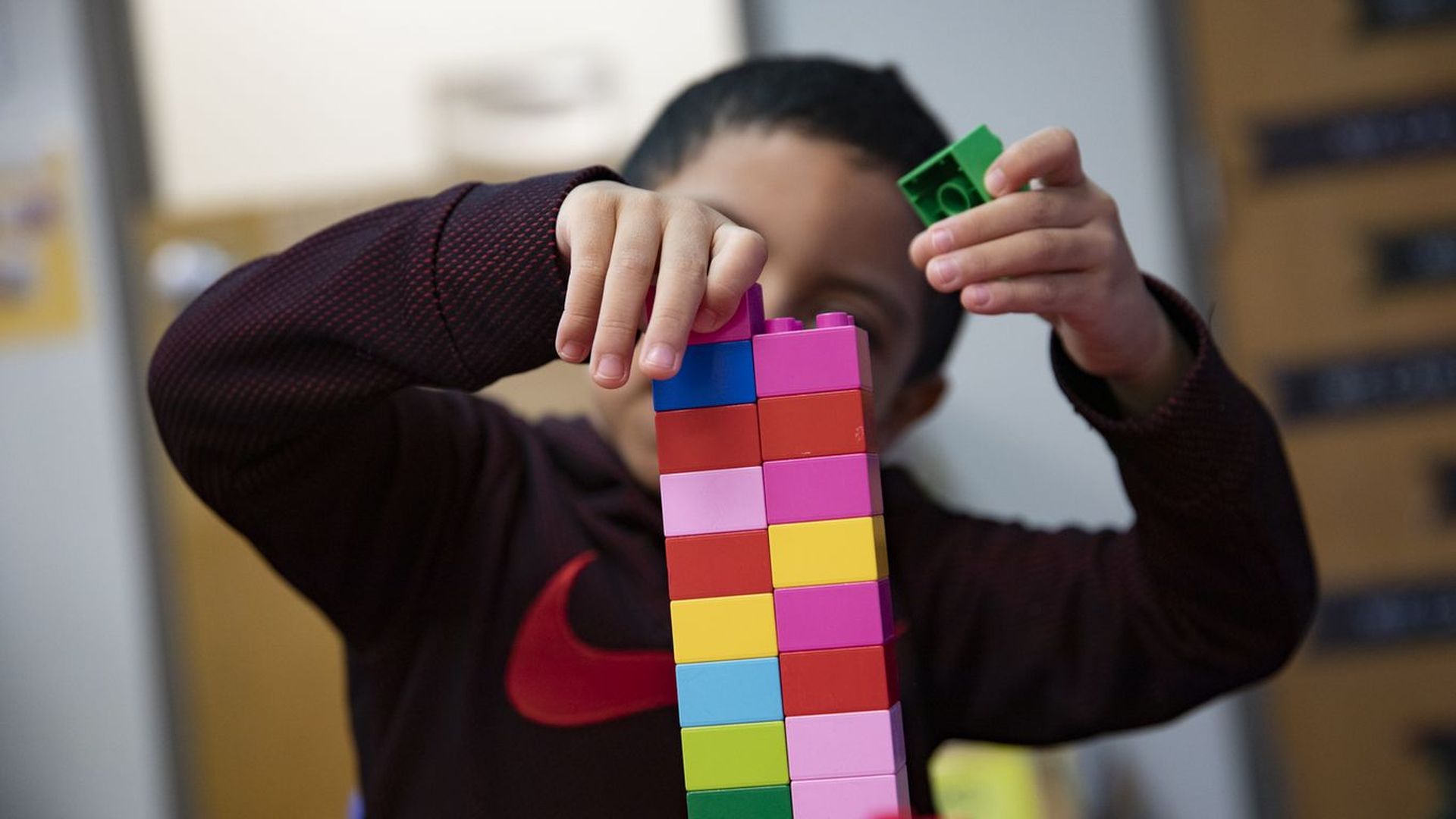
A child in a Head Start classroom in March 2023. Photo: Maansi Srivastava/The Washington Post via Getty Images
St. Paul voters rejected a property tax hike that would have funded a city-run child care program.
Why it matters: Supporters had worked for years to craft a local solution to a nationwide child care crisis that's left parents struggling to afford tuition and providers straining to keep their doors open.
- Roughly 60% of St. Paul voters sided with critics, led by Mayor Melvin Carter, who argued the program wouldn't have raised enough money to make a dent in the crisis.
Zoom in: St. Paul's proposal called for a program that ramps up gradually, collecting $2 million in the first year and growing over 10 years into a $20 million annual levy.
By the numbers: The taxes would have funded scholarships to help mostly low-income families pay for child care: at first, some infants; and by year 10, around 4,000 kids aged 0-5 each year.
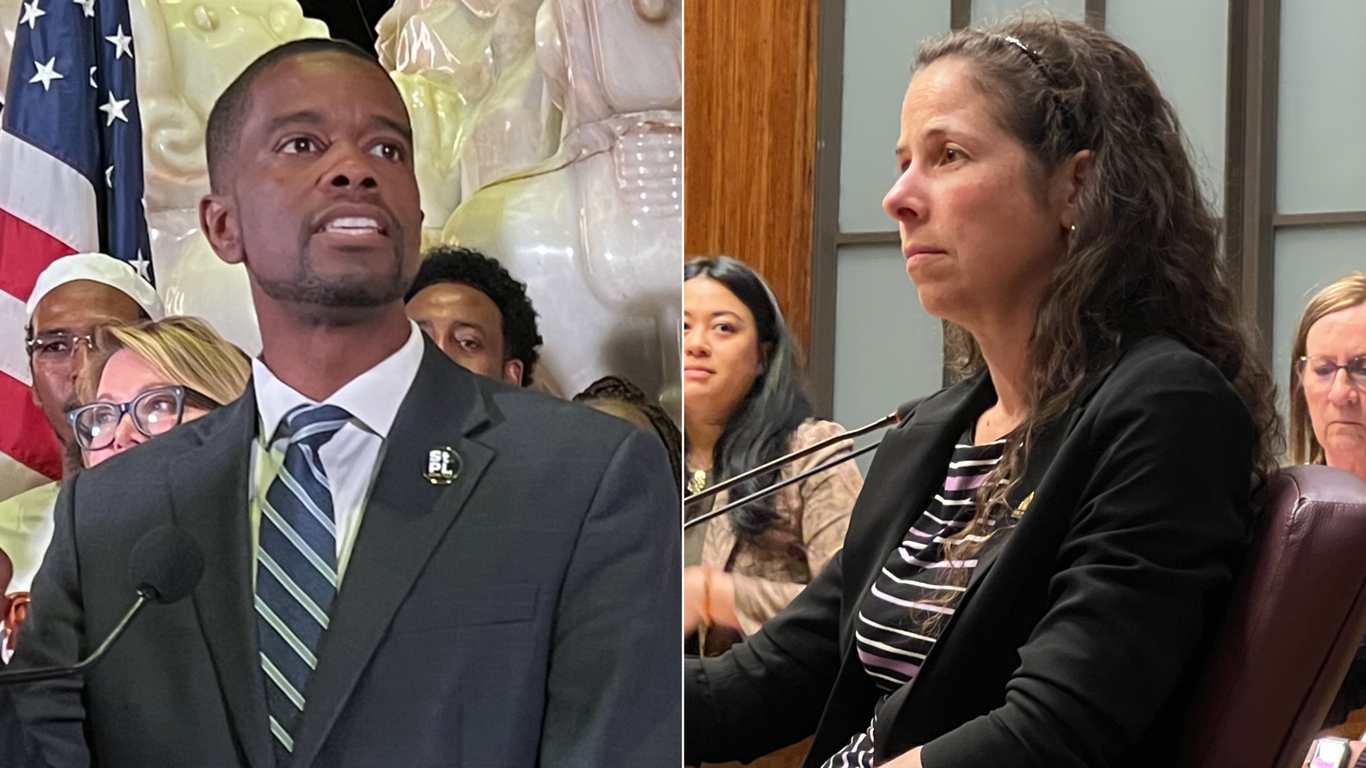
Flashback: "There is a reality in which we truly put our money where our mouth is," Councilmember Rebecca Noecker told Axios in September.
- "We can fully fund child care," she added, arguing supporters' plans for a methodical rollout would be key to the program's long-term success.
Zoom out: Other cities, including New Orleans, have enacted their own child care programs in recent years.
The other side: Carter had vowed he wouldn't actually collect the tax or create the program, saying supporters had oversold it.
- Carter argued the language misled voters into thinking the program would cover all 10,500 low-income children in St. Paul.
- The mayor's staff produced its own projections showing the program could be costlier, and ultimately serve fewer children, than supporters hoped.
- The mayor also questioned why the ballot language promised to "increase the number of child care slots" in St. Paul when he argued supporters didn't have a clear plan for this.
The intrigue: Some child care providers had mixed feelings about the initiative, torn by a desire for more funding and concerns about some of the program's details.
- The 500 child care centers in the Kids Count On Us coalition — an affiliate of the progressive organizing powerhouse ISAIAH — didn't take sides in the election.