Hockey enforcers die younger, study shows


Add Axios as your preferred source to
see more of our stories on Google.
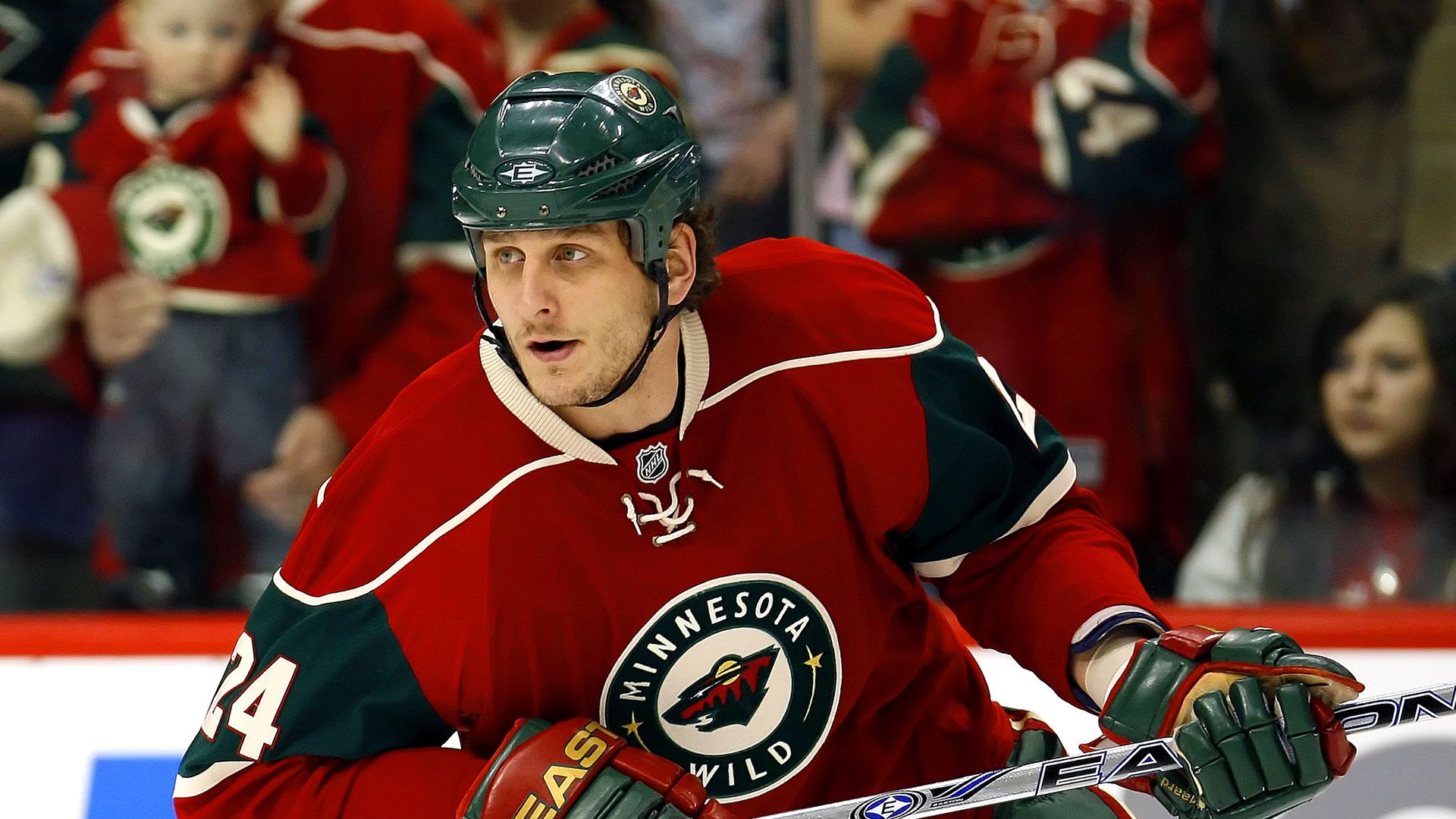
Derek Boogaard died of an overdose in 2011. Photo: Scott A. Schneider/Getty Images
A new Columbia University study shows that former NHL enforcers — guys who fought a lot — live significantly shorter lives than their peers.
- The study includes the death of former Minnesota Wild forward Derek Boogaard.
- Boogaard died of an accidental drug and alcohol overdose in 2011 at age 28. His brain was examined and found to have chronic traumatic encephalopathy (CTE), which is believed to be caused by repeated blows to the head.
Why it matters: Fighting has already nearly disappeared from the NHL. , but studies like this could lead to it ultimately being banned.
Details: Researchers analyzed data from 6,039 NHL players from 1967 to spring 2022, Axios Sports' Kendall Baker writes.
- They defined enforcers as players who had participated in 50 or more fights in their careers.
- They compared them to similar players (age, height, weight, position, etc.) who had not.
By the numbers: Over 90% of the players in the study are still alive. But among those who have died, there's a stark difference between the fighters and non-fighters.
- The average age of death for the enforcers who have died was 47.5, compared to the control group, whose average age of death was 57.7.
Between the lines: The differences in causes of death is also striking.
- Of the 21 enforcers who died, 11 died due to causes often linked to CTE, the study notes.
- There were three suicides, two drug overdoses, two neurodegenerative disorder deaths and four car crashes.
- Aside from one car crash, no control group players died of these causes.
The big picture: The debate about fighting in hockey has been raging for years. Some see it as outdated and unimportant; others think it's a crucial part of hockey culture and still has a place in the modern game.
- It's starting to feel like the end is near, though: The Quebec Major Junior Hockey League (QMJHL), one of the three junior leagues in Canada, announced in March that it is banning fighting.