How the San Francisco Fed is seeing AI reshape hiring

Add Axios as your preferred source to
see more of our stories on Google.
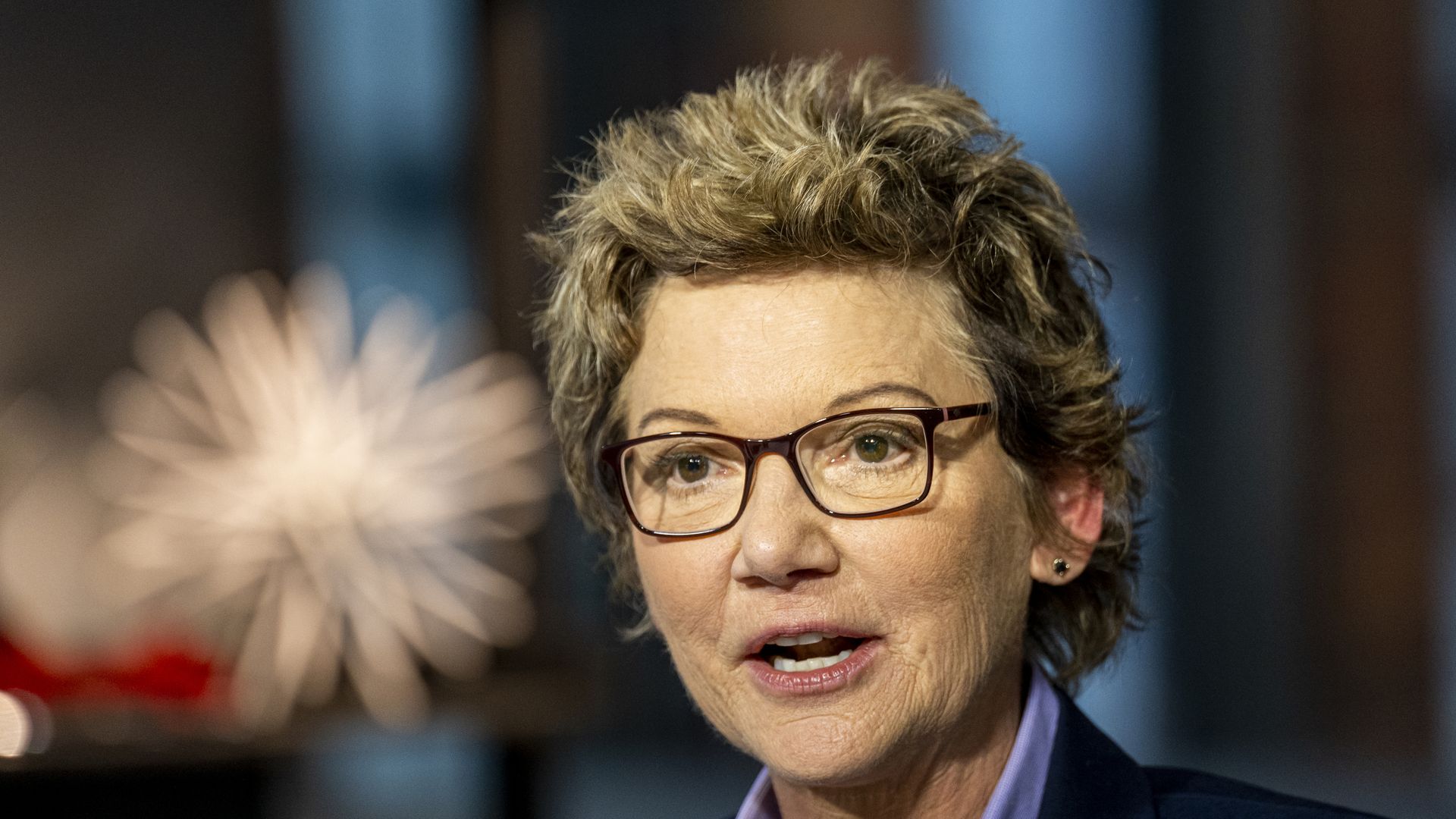
San Francisco Federal Reserve president Mary C. Daly, shown here in 2022. Photo: David Paul Morris/Bloomberg via Getty Images
As companies race to figure out how generative AI fits into their business, many are holding off on hiring, contributing to what San Francisco Federal Reserve president Mary C. Daly calls a "transition dynamic" that's leaving job seekers in limbo.
Why it matters: Daly's comments Tuesday offer fresh insight into how AI is playing out in the Fed's Twelfth District, which includes the Bay Area and its ongoing AI-fueled boom.
Zoom in: Businesses are worried about hiring the "wrong workers" rather than hiring too many as they wait to see how AI integration plays out, she told Axios after remarks at San Jose State University.
- "Right now they're in this interrogation phase of, 'What is AI going to help us do and not do? And once we figure that out, then we can think about hiring.'"
The big picture: In response to questions about job anxiety, Daly said that no technology "ever reduces net employment," but it does change what employment looks like.
- Currently, AI is helping to replace tasks, and it will eventually lead to workforce augmentation and job creation, according to Daly.
- "Businesses are re-skilling to meet the AI moment, and that's going to cause worker anxiety," she noted.
- While it's natural to feel nervous, "it's not the same thing as AI is taking all the jobs," she added. "If you put off technology because you're afraid of it, then you won't … use the technology to further your own abilities."
Between the lines: Government entities are walking a fine line between regulation without stifling innovation, she said.
- Daly also cautioned against connecting the AI boom to productivity growth.
- The labor market is slowing, even in "industries that are directly telling us they're using AI," she said.
Reality check: Big questions remain about whether AI will ultimately be a force for positive or negative change in society.
- AI industry leaders have warned of the technology's dangers in an unchecked environment, and concerns about job loss and displacement remain at the forefront for many.
- The data centers AI relies on have also raised questions about who ultimately pays for their boundless energy appetites.
What we're watching: Sen. Josh Hawley (R-Mo.) and Sen. Richard Blumenthal (D-Conn.) recently introduced a bill that would ensure the cost of data centers' energy use isn't passed on to consumers.