Here's what it'd actually take for Trump to revive Alcatraz

Add Axios as your preferred source to
see more of our stories on Google.

A view of Alcatraz Island across the water from San Francisco. Photo: Tayfun Coskun/Anadolu via Getty Images
President Trump is dreaming of reopening Alcatraz as a prison, but making it happen could fare more like a nightmare with a really expensive price tag.
Why it matters: The project, which would heavily alter San Francisco's landscape and tourism economy, could face hurdles both in overhauling the site's crumbling infrastructure and clearing regulations.
Catch up quick: Alcatraz, a 22-acre island in the San Francisco Bay, operated as a federal penitentiary for 29 years but closed in 1963 after the U.S. government determined that it'd cost more to maintain it than to build a new prison.
- The aging utility systems, lack of sewage treatment and decaying concrete all contributed to the decision to shut it down, according to Alcatraz historian John Martini. It was "costing three times as much to keep a man on that island as a mainland prison," he told Axios.
State of play: While the experts Axios spoke to declined to estimate the amount of money it'd take to reopen Alcatraz, all agreed that it'd be substantial.
- The current upkeep is "already horrendous," said Jolene Babyak, another Alcatraz historian who lived on the island as a child when her father worked as an administrator.
- Martini, who worked on Alcatraz as a park ranger, said the prison's physical condition is "deplorable" and has "so many structural problems." It'd require significant upgrades to ensure it doesn't collapse in an earthquake, he noted.
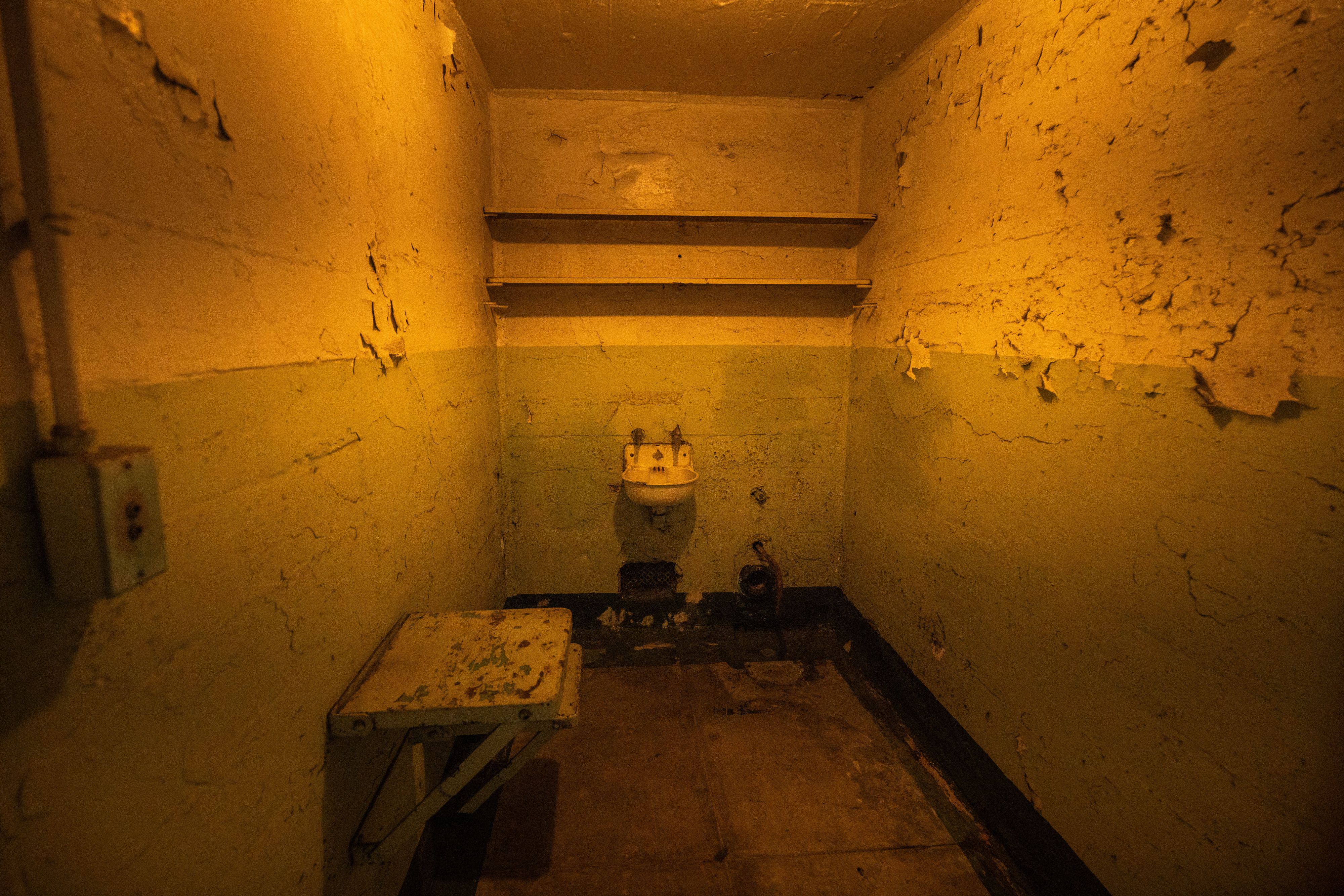
Zoom in: Each cell is 5-by-9 feet, with infrastructure nowhere near current health codes and "grossly out of date by modern incarceration standards," Martini said, citing lack of rehabilitation and exercise facilities.
- They'd also have to transport fresh water, food and other supplies every day, establish a sewage removal process (it was dumped in the bay back in the day) and build new staffing facilities — all without tourism-generated revenue, Babyak commented.
Reality check: Even if the Trump administration managed to cover the funds, they'd still have to jump through hoops to make it happen.
- The Golden Gate Recreation Area, which includes Alcatraz, was established under the National Park Service via legislation in 1972.
- That means transferring ownership to the Bureau of Prisons (BOP) might be more complicated and could require congressional approval.
- California also has "specific procedures that all projects must undertake to change the character and use of a historic site," Diane Matsuda, president of San Francisco's Historic Preservation Commission, told Axios via email. "Alcatraz would not be an exception."
Friction point: Under the California Environmental Quality Act (CEQA), changes that affect San Francisco — such as power, sewage infrastructure and new ferry terminals — could require a technical specialist to assess if it'd cause a "substantial adverse change in the significance of a historical resource."
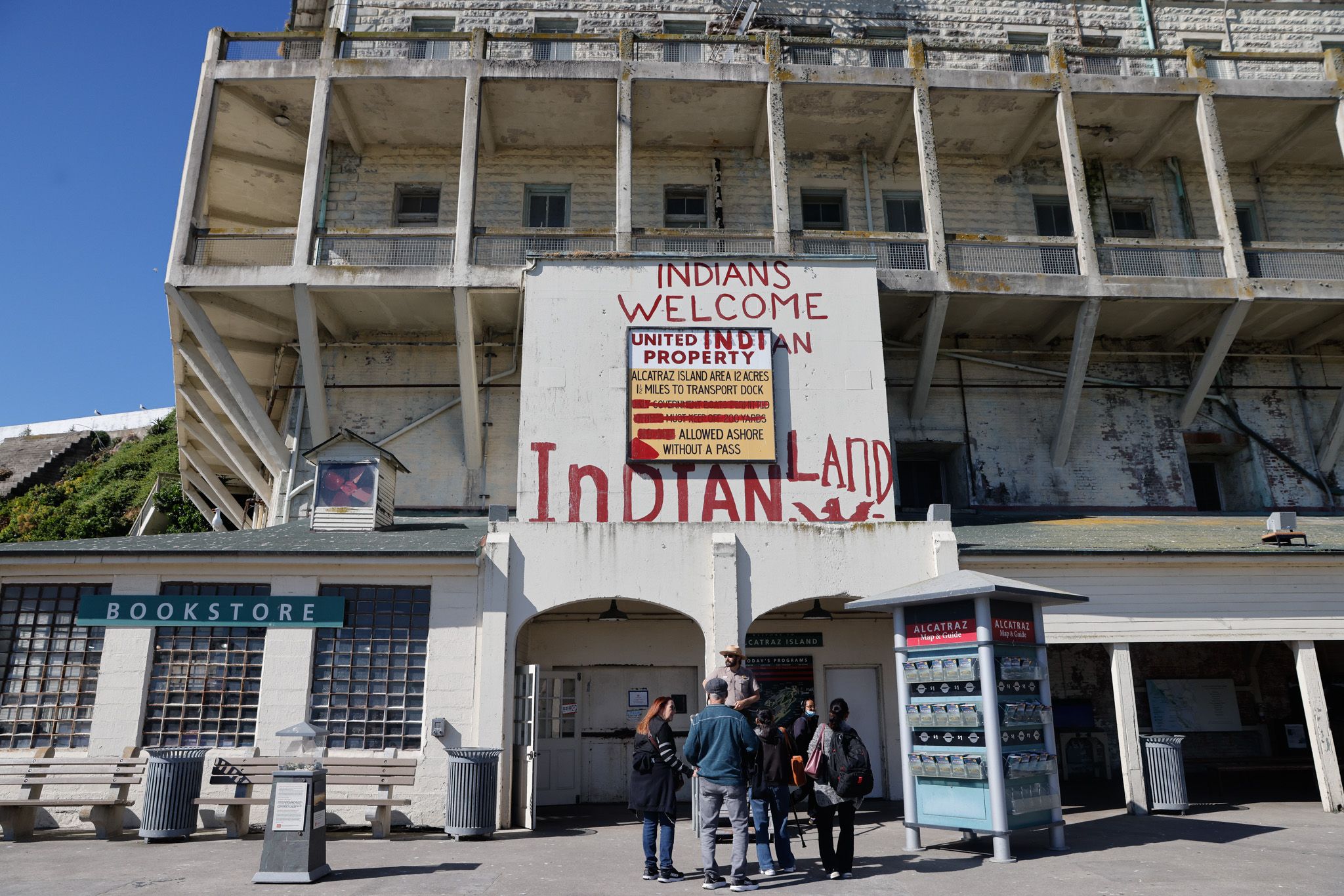
Between the lines: Congress made Alcatraz part of NPS to preserve its histories — not just the penitentiary but also its origins as the first lighthouse on the West Coast, a former fort and the site of a 19-month-long Indigenous occupation, according to Martini.
- Reopening it as a prison would mark the loss of a valuable educational resource, especially for kids whose fascination with Alcatraz serves as an entry point for engaging with history, said Babyak.
What to watch: BOP director William K. Marshall III has ordered an assessment to determine next steps.