San Antonio uses AI to track roaming-dog problem

Add Axios as your preferred source to
see more of our stories on Google.
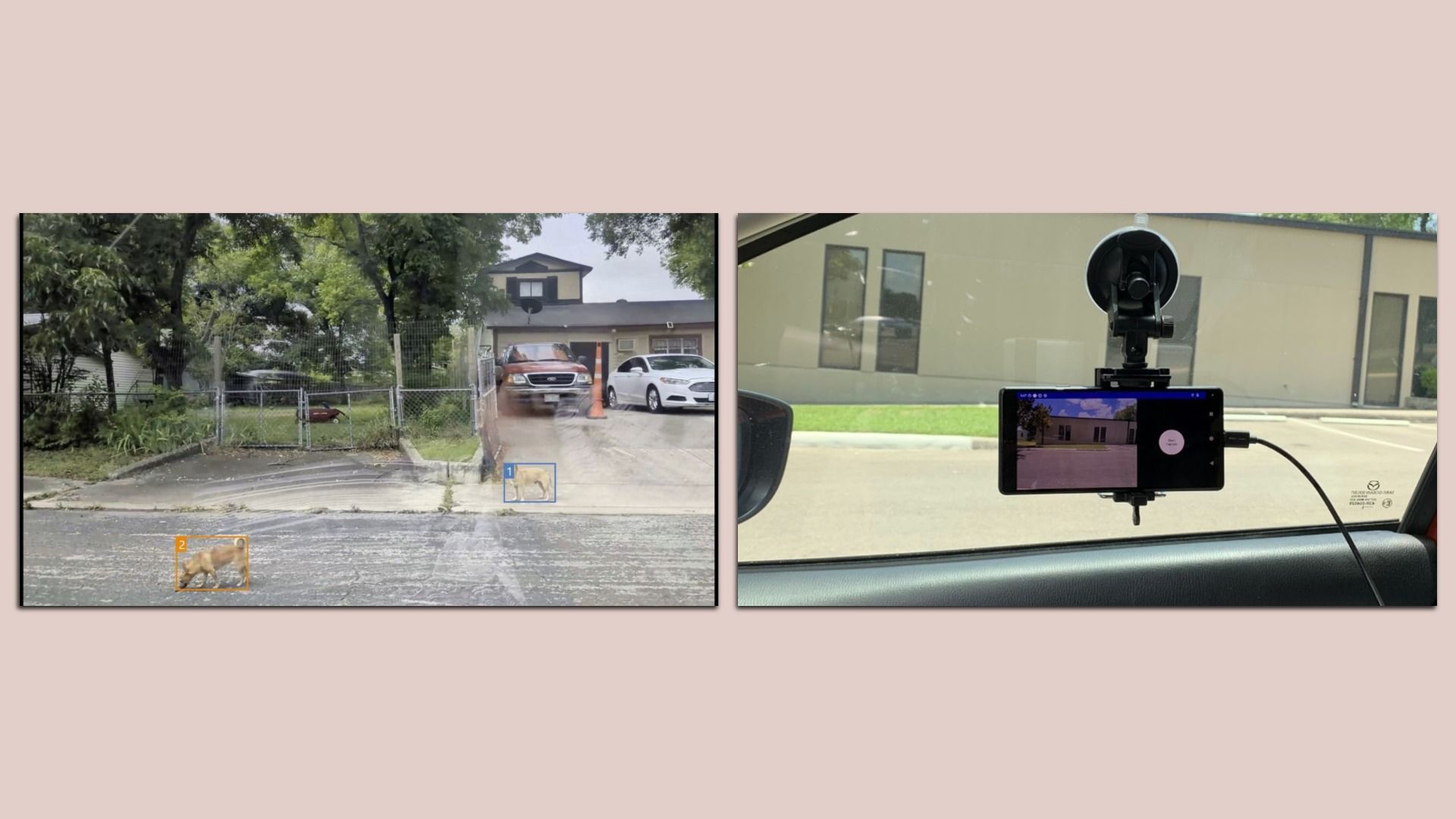
The SwRI-developed software in the works. Photo: Courtesy of Southwest Research Institute
San Antonio Animal Care Services (ACS) is turning to artificial intelligence to better assess its progress in reducing the city's roaming-dog population.
Why it matters: There are signs the city could be turning the corner on addressing roaming dogs — typically those with owners but that run loose — but they remain an issue, even after the City Council increased fines for roaming dogs in 2024 following two fatal canine attacks.
By the numbers: A 2019 ACS study estimated more than 34,600 dogs were roaming San Antonio at any given time, with 80% to 90% believed to be owned pets.
- The city's strategic plan called for studies every two years, but a subsequent effort involving UT San Antonio and St. Mary's University did not produce usable data.
The latest: ACS is spending just over $99,000 to partner with San Antonio-based Southwest Research Institute (SwRI) on a new survey.
- Researchers will revisit the same 32 areas surveyed in 2019, using smartphone cameras mounted to vehicles and AI-powered software to identify unrestrained dogs.
- The technology uses AI that is trained to recognize patterns in images, allowing researchers to identify dogs captured on camera, SwRI engineer Mike Koets tells Axios.
- Automated and human reviewers will analyze footage to determine whether dogs are unrestrained or supervised, and whether they appear to be owned pets or strays.
What they're saying: "We use the findings to determine whether or not what we're doing is working," ACS director Jon Gary tells Axios.
Zoom out: The city has nearly doubled its animal control field staff in recent years as part of broader efforts to reduce roaming dogs.
- Roaming-dog service calls are trending downward, while fiscal year 2026 saw the fewest dogs killed on roadways and collected by the city in a decade, Gary says.
Between the lines: Gary said the survey wasn't prompted by a spike in complaints — though roaming dogs remain a concern amid rising numbers of dog bites.
- Reported dog bites increased from 2,696 in 2020 to 3,149 in 2025, a 17% increase. Severe bite cases rose from 134 to 511 over the same period, an increase of approximately 281%, according to ACS data analyzed by the Express-News.
- Changes in how severe bites are classified may account for some of the increase.
What's next: Fieldwork is expected to continue through December, with results expected before year's end, according to Gary. The findings will be made public.