San Antonio chains join a national fast-food race for Gen Z's drink dollars

Add Axios as your preferred source to
see more of our stories on Google.
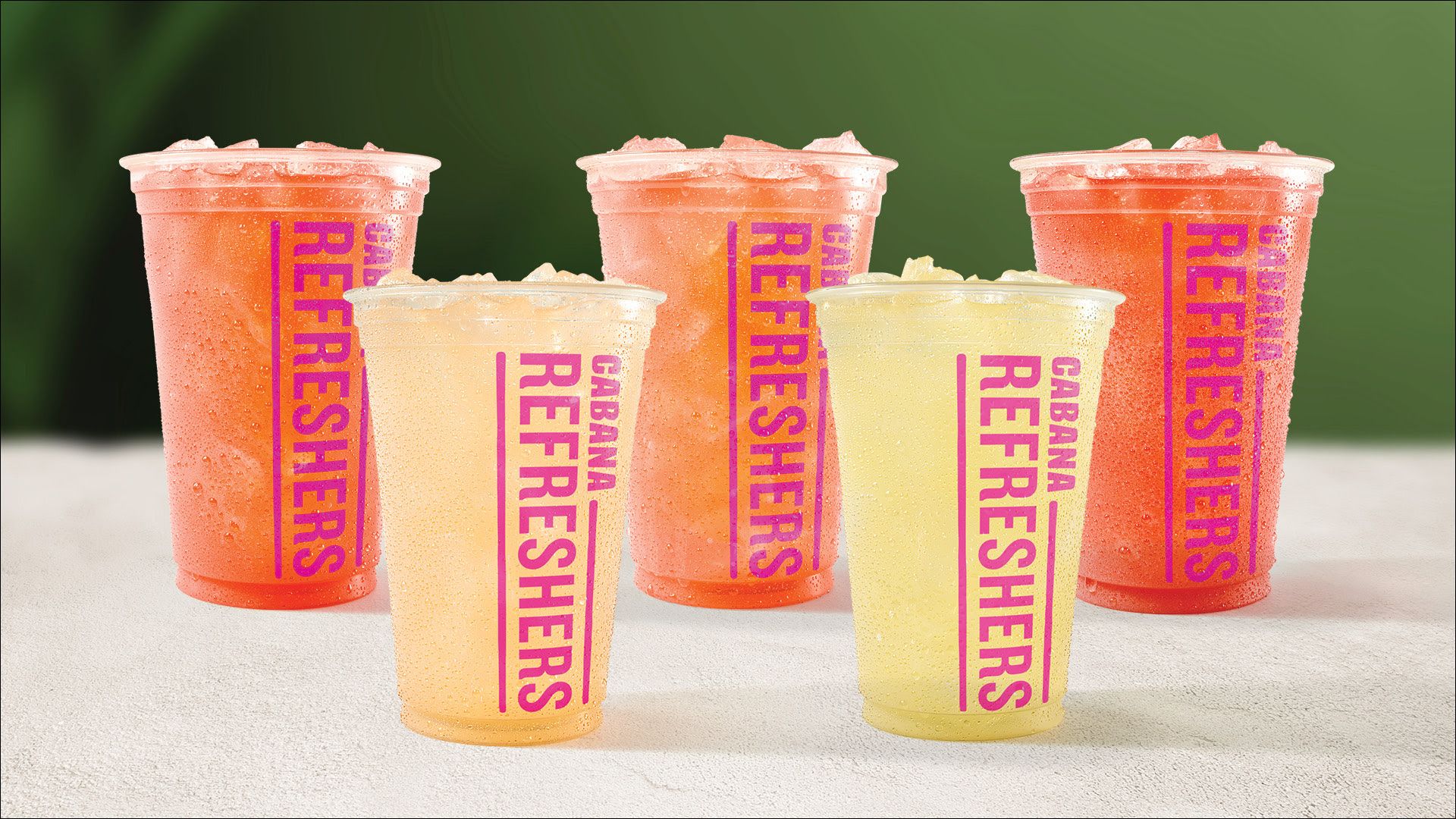
Taco Cabana's refresher lineup. Photo: Courtesy of Taco Cabana
Fast-food chains are redesigning their menus — one colorful drink at a time — to win over Gen Z.
Why it matters: Innovative drinks like refreshers are fast becoming a core brand strategy, as younger consumers ditch alcohol and coffee in favor of flavor, aesthetics and novelty.
The big picture: A recent Ernst and Young report on beverage trends shows younger consumers want nonalcoholic options — and they're influencing broader market behavior as companies race to roll out new options.
Zoom in: Two San Antonio-headquartered chains — Whataburger, with more than 1,000 locations across 17 states, and Taco Cabana, a fixture in Texas' biggest metros — introduced refreshers this summer.
- Whataburger's "Whatafresher" is a prickly pear raspberry drink.
- Taco Cabana's Cabana Refreshers are a lineup of five lemonades.
What they're saying: Taco Cabana president and COO Ulysses Camacho tells Axios it's the company's way of staying relevant for the next generation.
- "Cabana Refreshers align with a broader generational shift we're seeing in how guests approach beverages. Younger consumers want drinks that are vibrant, flavorful and still deliver everyday value," he said.
By the numbers: Gen Z spending is projected to surge from $9.8 trillion in 2024 to $12.6 trillion by 2030. Brands are adapting fast to meet younger consumers' craving for novelty and brand exploration, according to NielsenIQ, which dubbed the generation "Spend Z" for its spending habits.
Reality check: Unlike functional drinks like Olipop, Poppi or Starbucks' new protein coffees, Whataburger and Taco Cabana's refreshers aren't marketed for health.
- They're designed for flavor, color and fun, but don't promise wellness benefits.
The bottom line: Expect more seasonal drops and viral sips, but with so many new products flooding the market, Ernst and Young says the big question is how many options consumers can truly absorb.