The history of Longhorn Cavern State Park

Add Axios as your preferred source to
see more of our stories on Google.
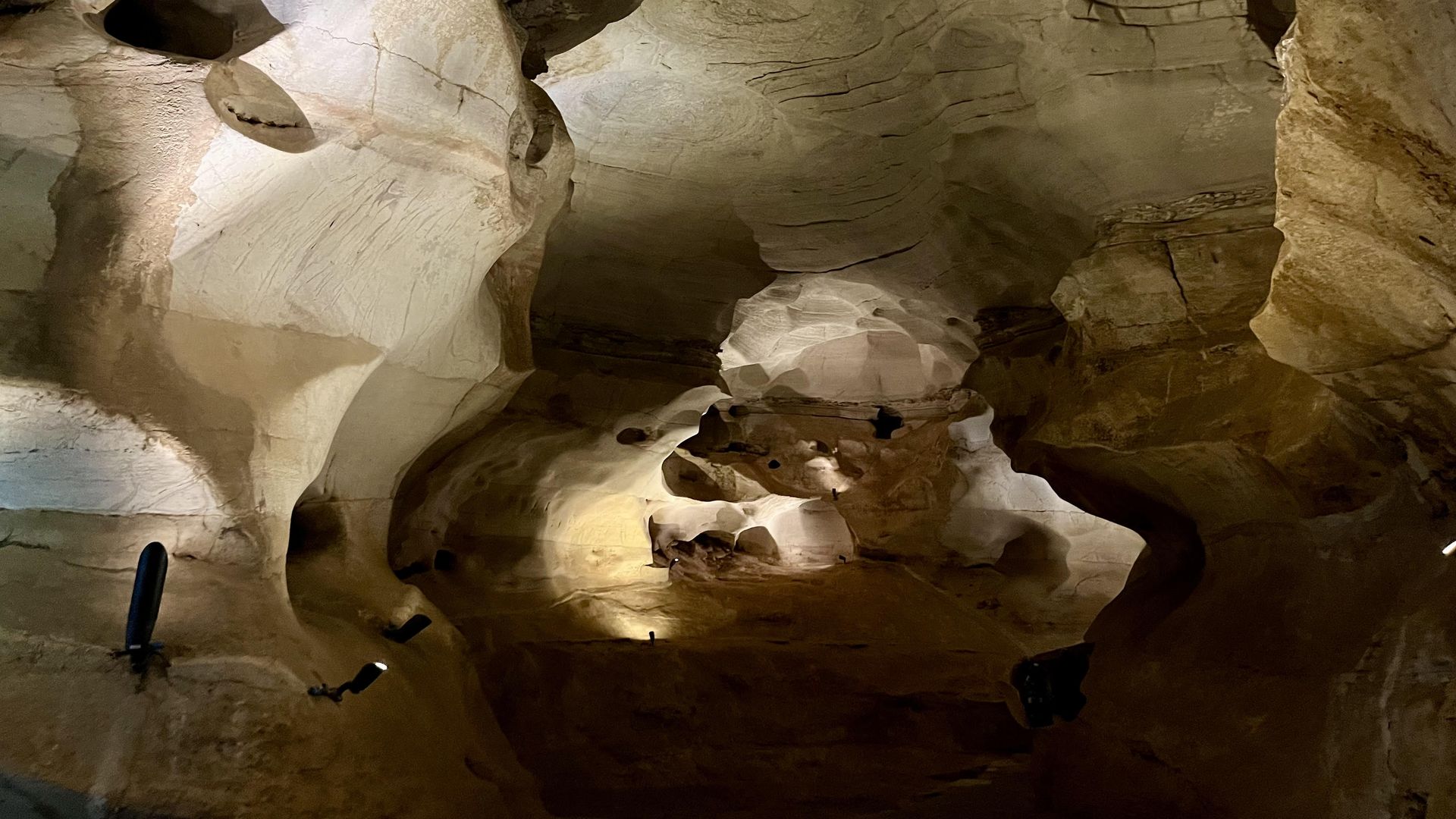
A spectacular underground scene. Photo: Megan Stringer/Axios
My quest to visit more Texas state parks this year took me up to Longhorn Cavern, located off U.S. 281 near Marble Falls.
State of play: The cavern was formed by an underground river system, a rarity — making this one a unique cave to visit.
- In the 1930s, the Civilian Conservation Corps made it broadly accessible by removing 3,000 dump trucks' worth of debris and constructing visitor buildings.
Flashback: Despite its exclusive sights, my tour guide told us the state park faced stiff competition from Carlsbad Caverns National Park in New Mexico, some 450 miles northwest of Longhorn Cavern.
- To up its appeal, officials in the 1930s promoted a now-defunct underground night club and broadcast dances over WOAI radio in San Antonio.
- Later during the Cold War, it was a stocked nuclear fallout shelter (that luckily never had to be used — it wouldn't have been a very good one, considering it's not airtight).
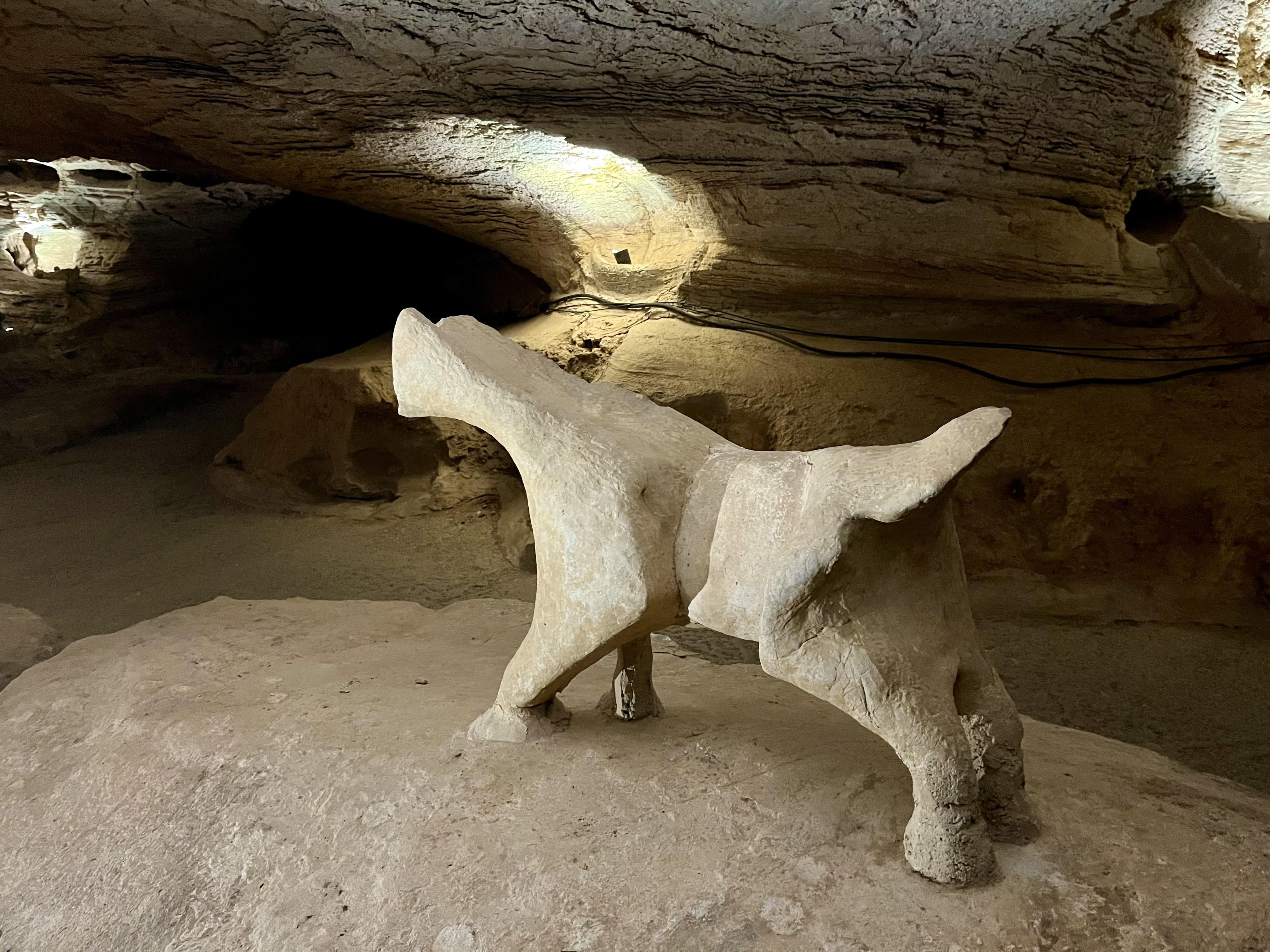
- Once upon a time, Longhorn was used as a "trap cave," meaning hunters would chase animals into the large opening to fall to their death. Scientists have found the bones of mastodon, bison, grizzly bear and deer there.
- That's not exactly the kind of company I'd want to keep if I were stuck in a fallout shelter, but hey, it was a nice idea.
One legend details another local connection — the Texas Rangers' rescue of a San Antonio girl who was kidnapped and held in the cavern.
If you go: A walking tour ticket starts at $24. The trails on the state park grounds are free to access.
- The cavern is a nice 68°F year-round.
Pro tip: You can pick up a Texas Cave Trail passport at one of five regional caves to get a free T-shirt after visiting them all.
- The passport works for Longhorn Cavern State Park, Natural Bridge Caverns, Cave Without a Name, Caverns of Sonora and Inner Space Cavern.