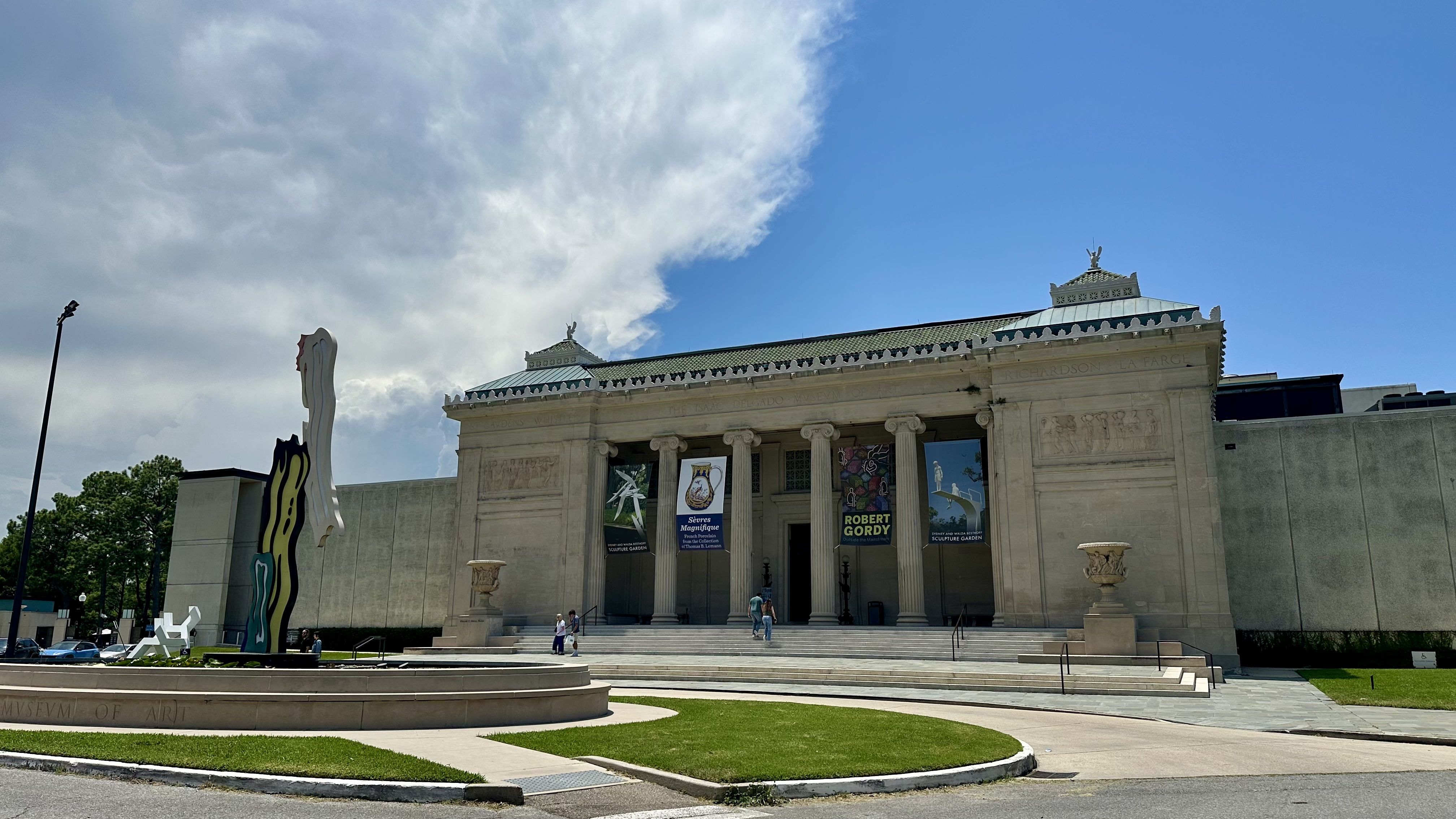
How NOMA protects its art from New Orleans' harsh climate

Add Axios as your preferred source to
see more of our stories on Google.

The sculpture garden at the New Orleans Museum of Art in City Park. Photo: Jim West/UCG/Universal Images Group via Getty Images
New Orleans' climate is constantly trying to destroy NOMA's art, forcing conservators to fight back with wax, air-conditioning and a lot of preventive care.
Why it matters: South Louisiana's heat, humidity, rain and critters can cause art to age faster, requiring more maintenance than visitors might realize.
The big picture: The New Orleans Museum of Art has nearly 50,000 objects in its collection, with staffers generally focused on preventing damage rather than trying to fix everything.
- "I tell people that my job is to clean what's dirty and fix what's broken and to prevent things from getting dirty or broken," says Ingrid Seyb, NOMA's objects conservator.
- An hour of preventive conservation can do more good, though, than an hour spent repairing a single object, she says.
- It's a team effort. Engineers keep the building and HVAC working, custodians prevent pest problems, and gallery attendants keep visitors from touching art.
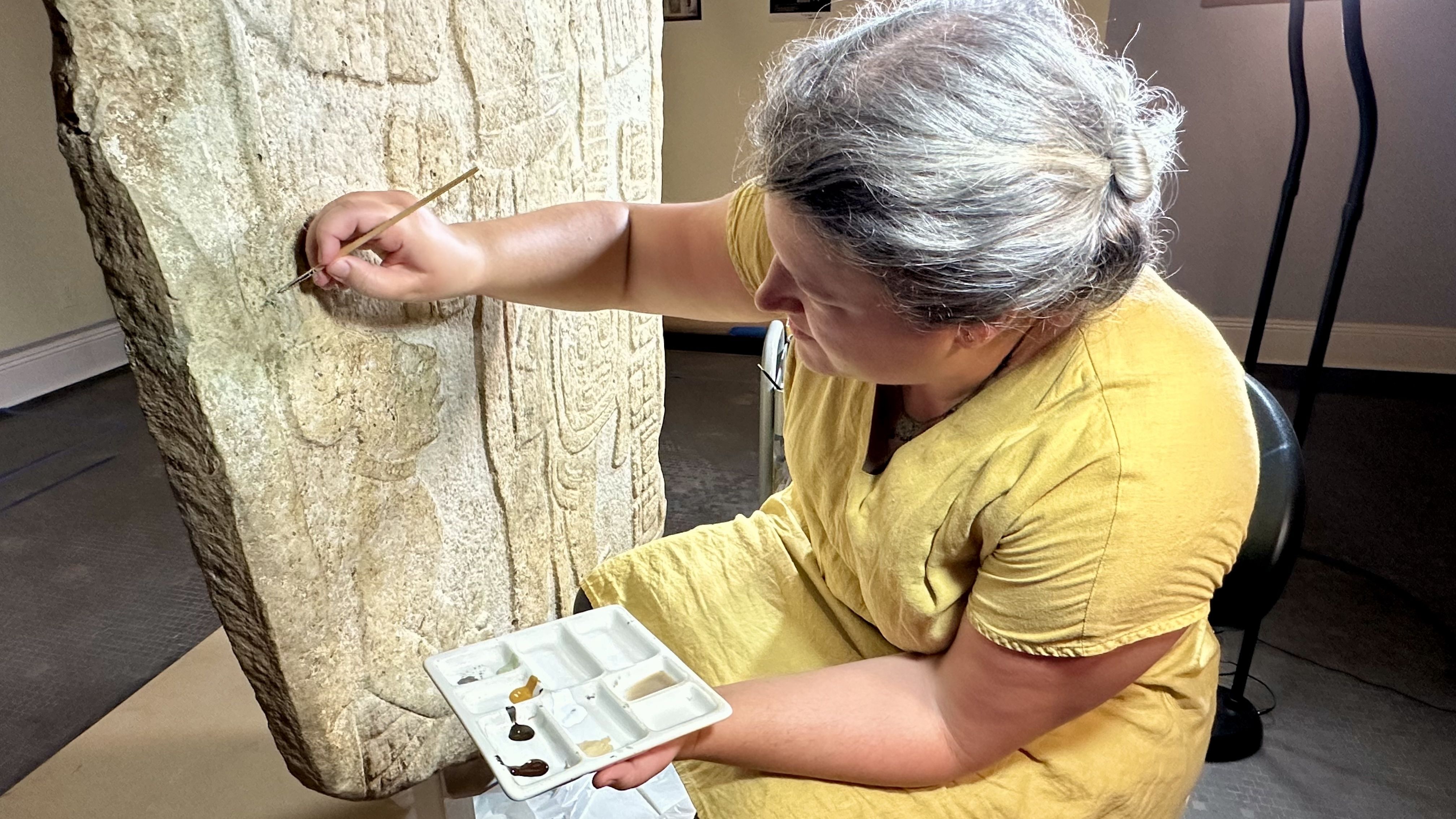
Zoom in: The outdoor Sydney and Walda Besthoff Sculpture Garden is essentially an "accelerated aging machine," just like an attic, but with rain, Seyb says.
- "Outdoor sculpture is getting that clock sped up so fast compared to art inside the museum," she adds.
- But artists often intend their pieces to be displayed outside, so NOMA honors that.
- NOMA also consults with the living artists before working on their outdoor pieces to make sure the preservation method aligns with their wishes.
How it works: The majority of the metal pieces in the garden have a protective coating on them like wax, paint or gilding.
- They have to be reapplied at some point, based on wear and tear.
- "Coatings that last maybe 20 years in Los Angeles don't last that long here," Seyb says.
- The garden's sculptures also get cleaned twice a year to remove pollen, dirt, bird poop and other grime.
Fun fact: New Orleans isn't the harshest climate for outdoor art, Seyb says. For example, places like Boston have freeze-thaw cycles that create their own havoc.
What this means for you: The best place to store your family photos, antique furniture and other sentimental items is in a climate-controlled space, like a room in your air-conditioned home, Seyb says.
- Don't store them in the attic, a shed or a garage.
- "This is a city of so much cultural property — art objects, historical objects — that are not just in institutional hands, but private hands," she says. "One of the biggest challenges, I think, for conservation in New Orleans is just how much stuff there is."