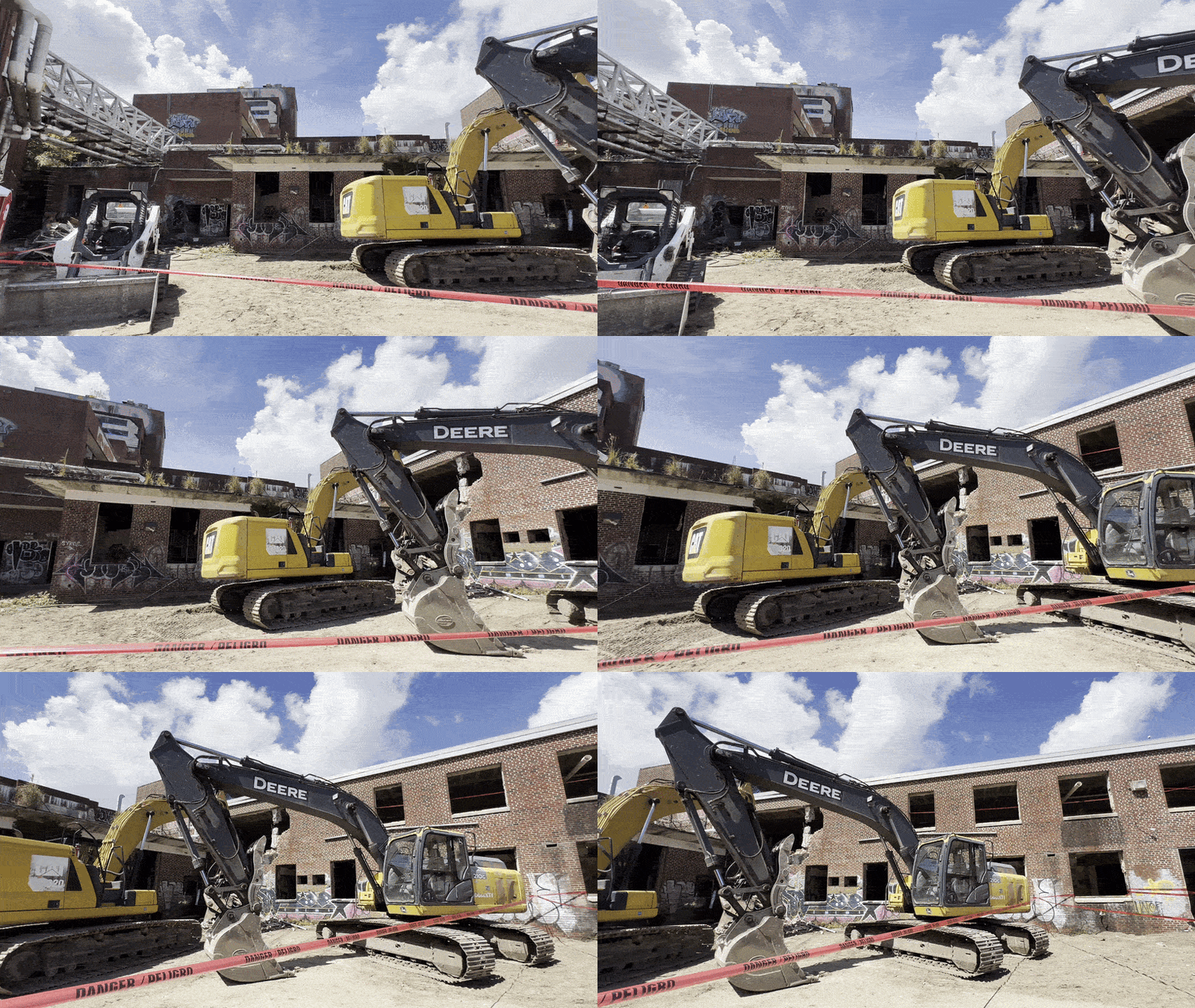
Mercy Hospital demolition begins in New Orleans

Add Axios as your preferred source to
see more of our stories on Google.
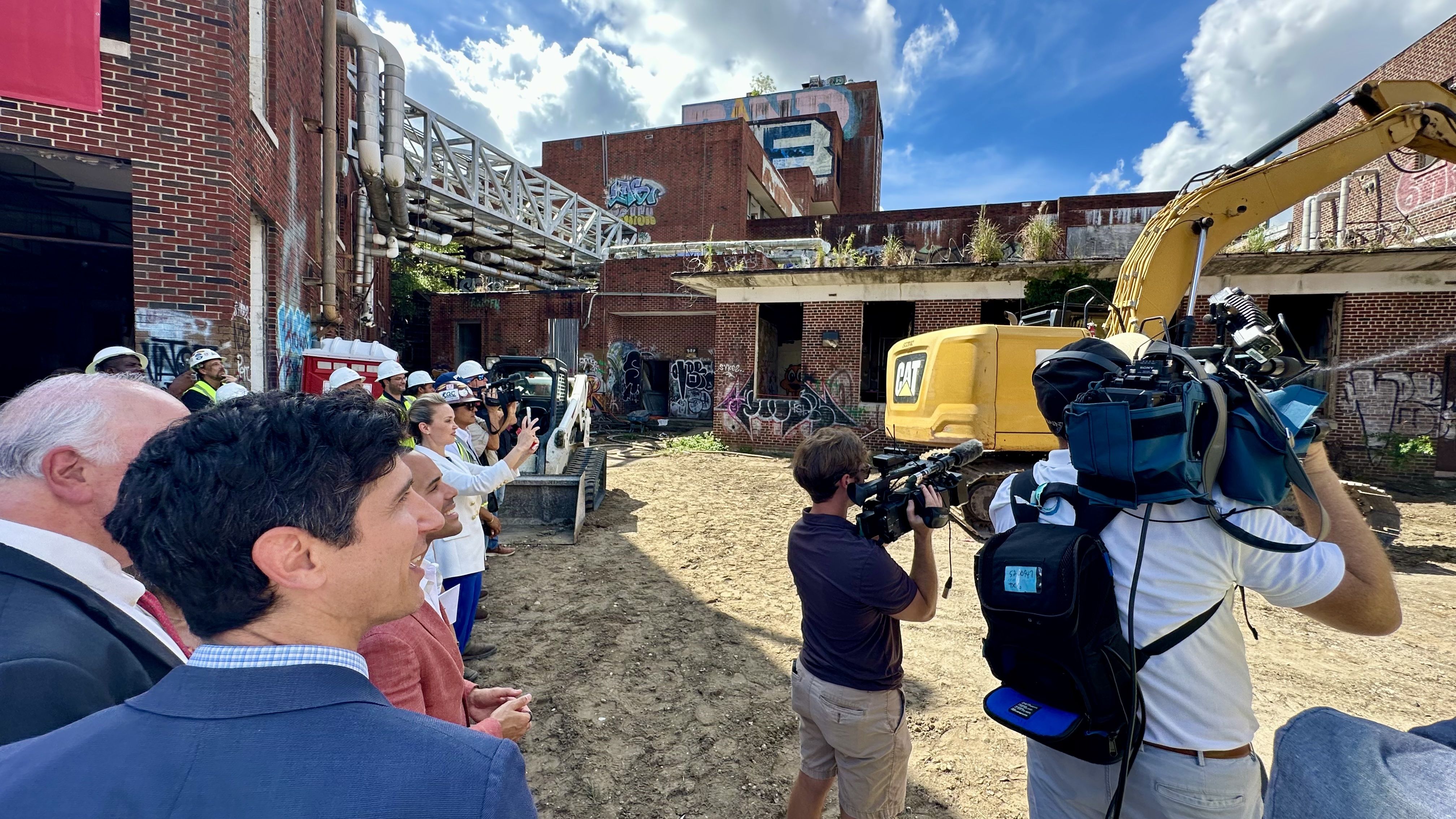
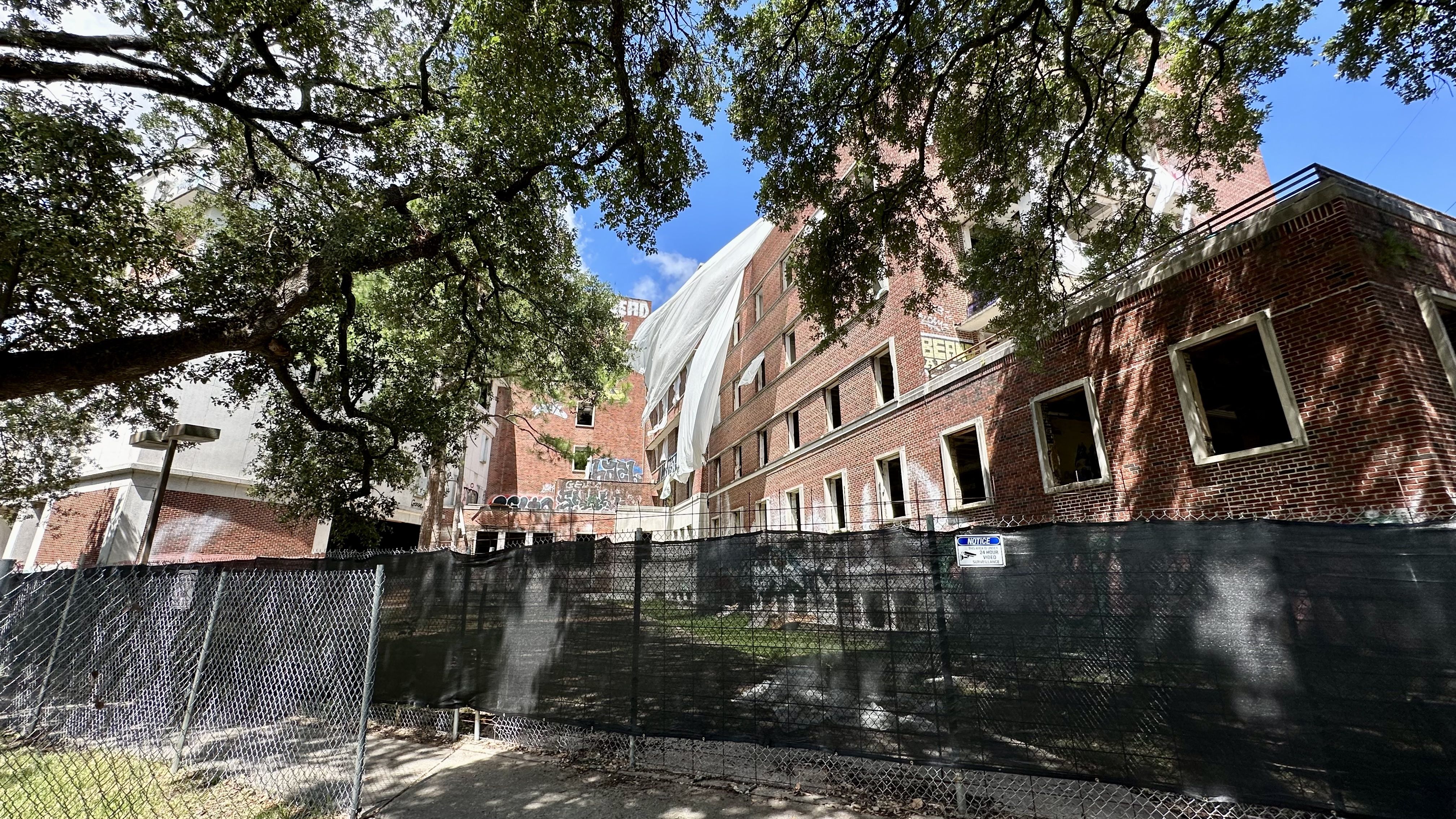
Long-blighted Mercy Hospital is finally coming down, clearing the way for a project designed to help reduce flooding in New Orleans' Mid-City neighborhood.
Why it matters: The basement of the building, also known as the Lindy Boggs Medical Center, will be converted into an underground cistern to hold millions of gallons of rain during storms.
The big picture: Mayor Helena Moreno blew the air horn Tuesday to signal the start of demolition on the building that's been vacant since Hurricane Katrina.
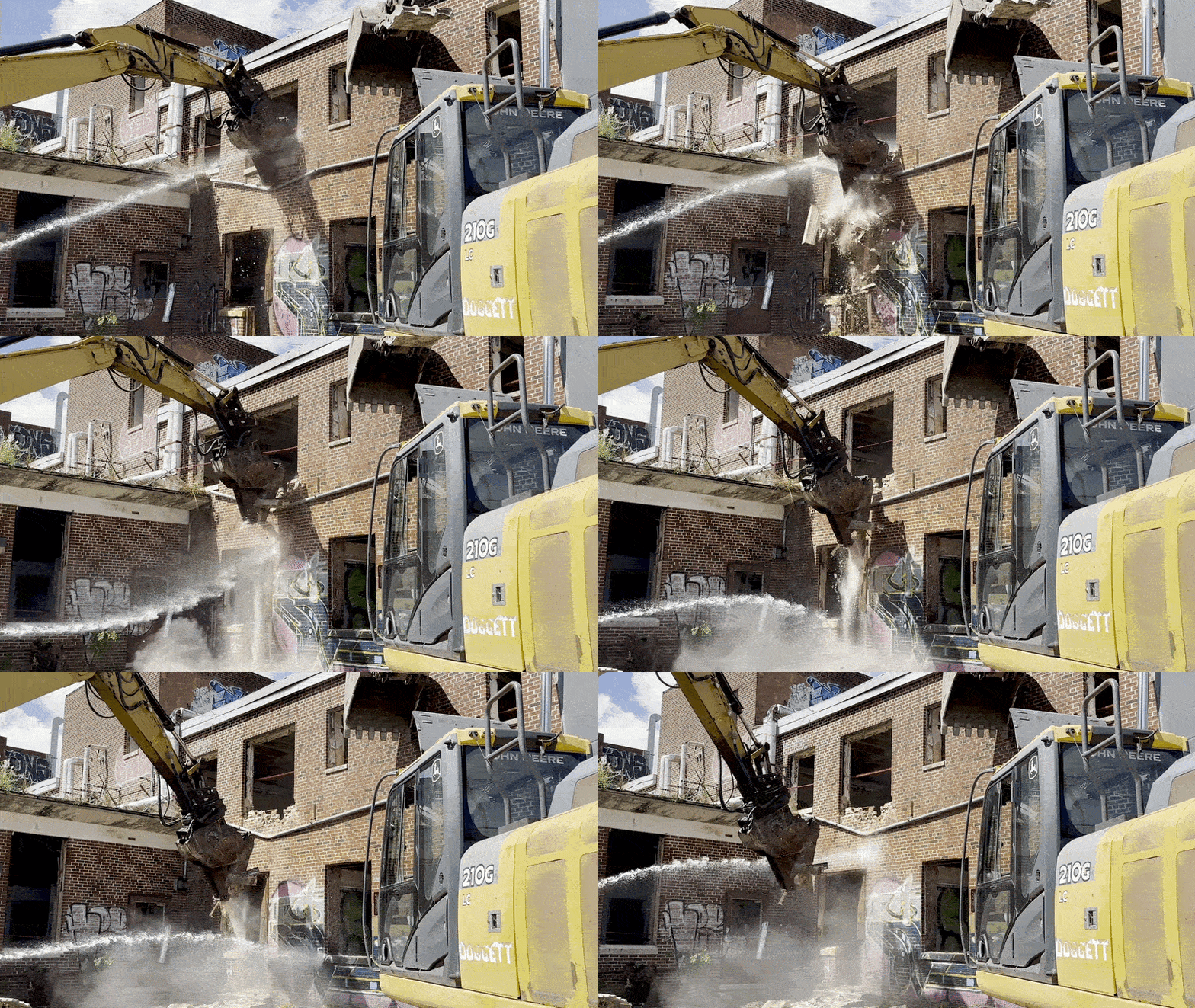
- An excavator and a so-called nibbler — but sadly for those looking for more of a visual spectacle, not a wrecking ball — then began knocking down brick walls covered in graffiti.
- The city has an agreement with Woodward Design for the demolition and redevelopment.
- Council members called it a "bittersweet" day for residents, especially those who were born there. Mercy Hospital was built in the 1950s and later renamed in honor of former U.S. Rep. Lindy Boggs.
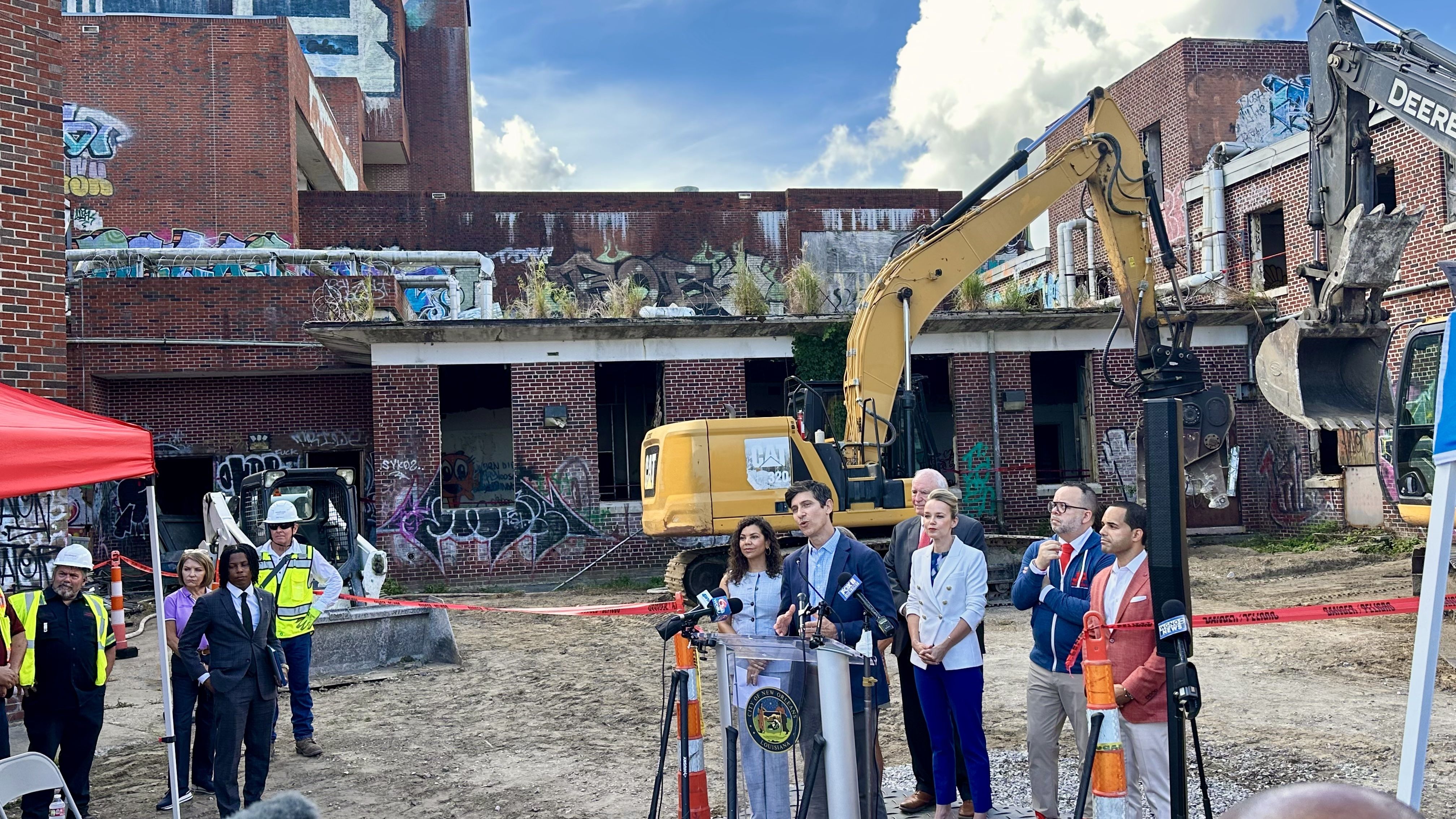
Timeline: The former nursing school and central power plant will be demolished first, followed by the seven-story hospital building.
- The work should be finished early next year.
- The goal is to have the underground water facility ready before the 2027 hurricane season, Woodward Design+Build CEO Paul Flower said at Tuesday's press conference.
- Phase two will focus on building a $110 million mixed-use development with residential and commercial components.
By the numbers: The City Council committed $11.5 million in city bonds for the demolition and stormwater facility construction.
- The money cannot legally be used for operating expenses, which is where the city is facing a cash crisis. The two are separate pots of money, says Jeff Schwartz, the city's deputy mayor of economic development.
- Woodward Interests is contributing $4.5 million to the first phase.
- The City of New Orleans will own and maintain the system's inflow and outflow infrastructure, while Woodward will maintain the underground retention basin.
How it works: Flower says the former administrative offices in the basement will be converted into a stormwater retention facility capable of holding about 4 million gallons of water, which will fill it up about 7 feet deep.
- It could reduce street flooding in the immediate area by about 12 inches during a 10-year storm, the city says.
- The water will then slowly enter the city's drainage infrastructure at a rate that the Sewerage and Water Board can handle, Councilmember Lesli Harris says.
- There are similar facilities at A.L. Davis Park, Sacred Heart, Flour Moon Bagel, the River District and elsewhere, Harris and Schwartz say.
What they're saying: "This is a proven technique around New Orleans," Harris says. "You just wouldn't know it because there's park space or buildings on top of it already."
What's next: The demolition will take months.
- Crews will monitor air quality, noise and vibrations during the process.