Louisiana now has one of the nation's largest police drone fleets

Add Axios as your preferred source to
see more of our stories on Google.
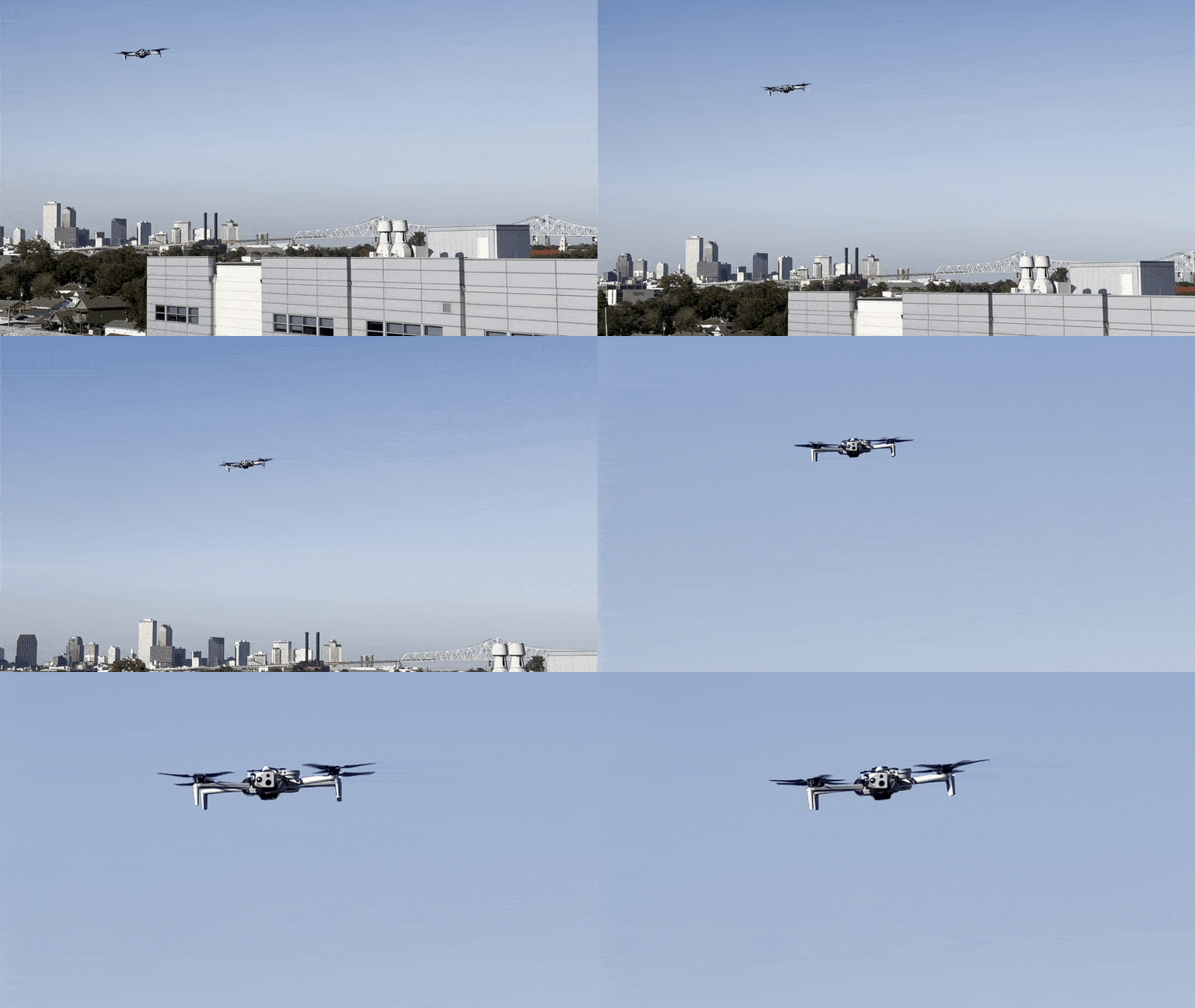
Jefferson Parish officials say they now have one of the country's largest law enforcement drone programs.
Why it matters: When you call 911, you might get a drone at your house along with a deputy.
The big picture: Sheriff Joseph Lopinto says the parish has been using "drones as first responders" since November.
- They have been particularly helpful with tracking suspected shoplifters, he says, and have assisted in more than 60 arrests on a variety of charges.
- "This is a game changer for us," Lopinto said at a press conference last week.
- JPSO leadership envisions the drones helping with car chases, armed robberies, vehicle fires, burglaries, suspicious people and other critical calls.
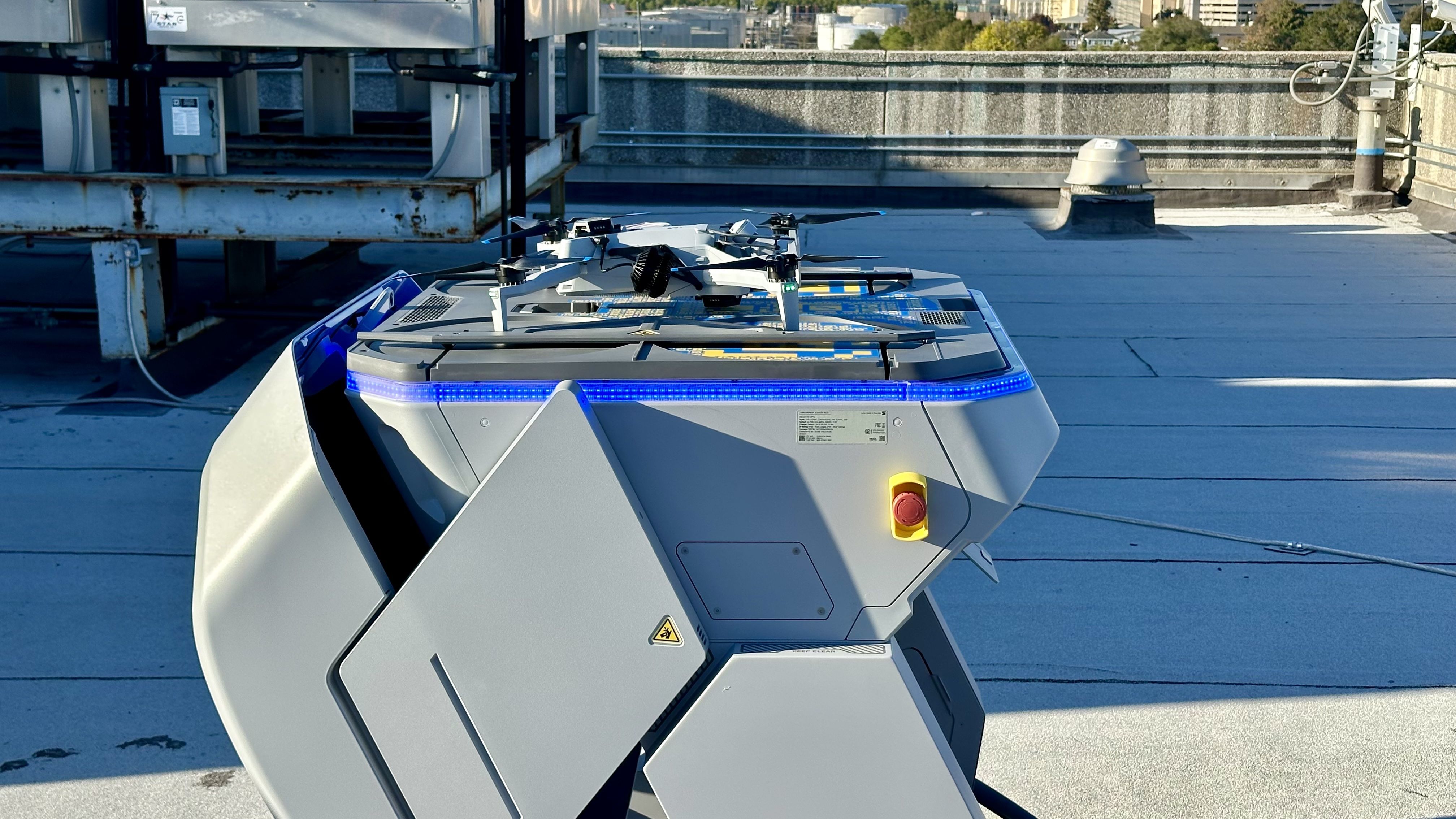
How it works: About 20 drones are docked around the parish, where trained JPSO pilots at the Harvey operations center can launch them within seconds of a 911 call for help.
- Almost every mile of Jefferson Parish is covered by the drones, except for Kenner, Lafitte and Grand Isle, Lopinto says.
- They average about 40 launches per day, which is only a fraction of the approximately 800 emergency calls JPSO gets, he says.
- The drones often arrive before deputies. The operators communicate with deputies while tracking vehicles and people. See sample drone footage.
Zoom in: The drones fly at 200 feet and have spotlights, regular and thermal cameras, speakers, strobe lights and parachutes.
- They also have red and blue lights on top, but those didn't seem very visible during a daytime test flight for reporters. The gray drones don't have other markings on them.
- The sound from the propellers was nearly undetectable during the same test flight.
- Lopinto suspects most residents "won't even know it's there." Las Vegas and New York City have similar programs, he says.
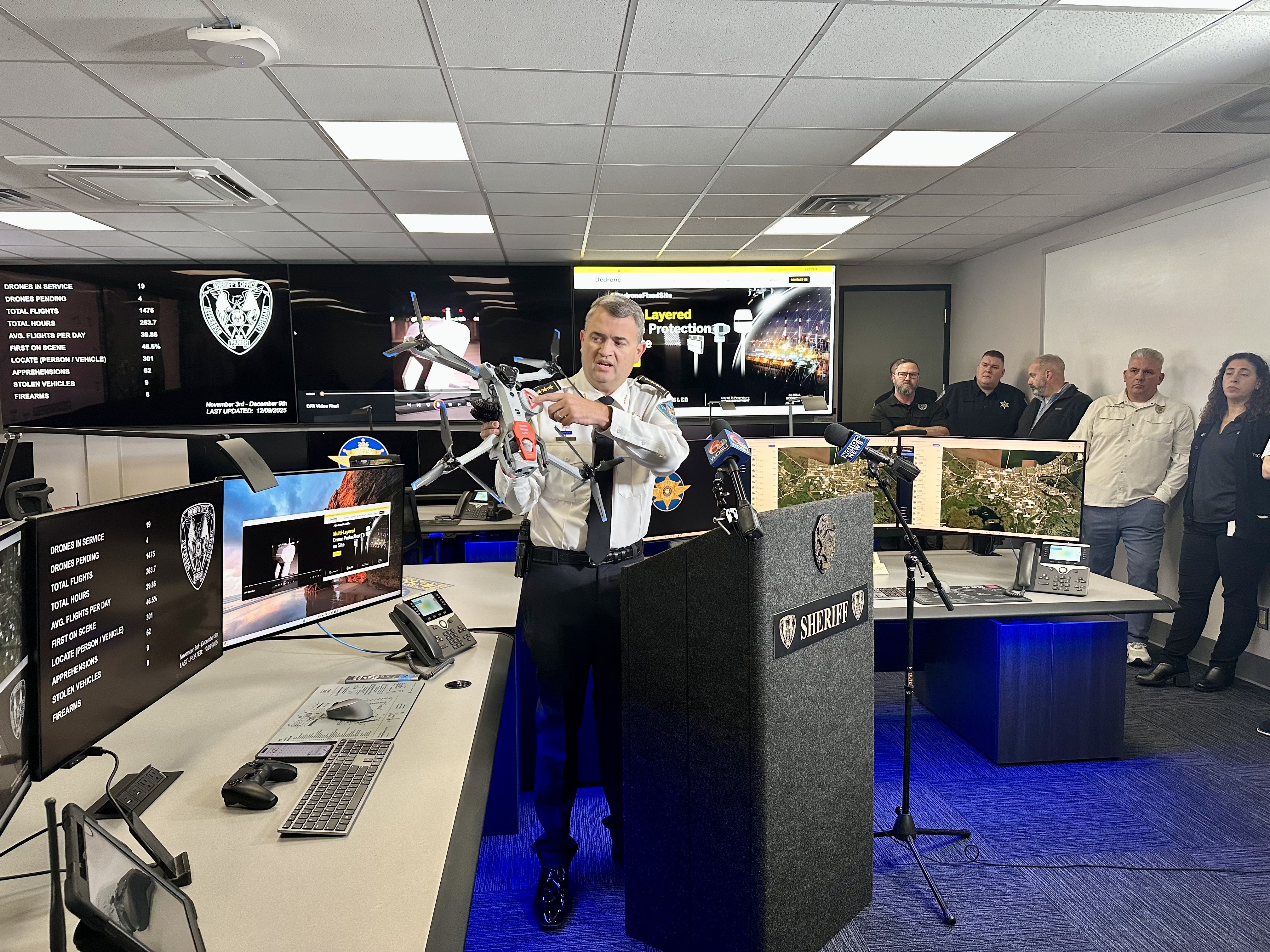
Friction point: JPSO says it is not using facial recognition software with its drones, which has been a sticking point with the surveillance camera network in New Orleans.
- The New Orleans Police Department paused its alerts from nonprofit Project NOLA this year amid a Washington Post investigation about the legality of the AI-driven program operated by citizens.
- The JPSO program doesn't use license plate readers either, Lopinto says. The video quality also isn't good enough to identify specific people, he added.
- The video is recorded, similar to body-worn camera footage, and stored for court use, he says.
By the numbers: The equipment costs about $1.5 million annually, plus personnel costs to operate, Lopinto says.
- In comparison, it costs about $1,500 an hour to operate one of JPSO's two helicopters, he says.
What's next: JPSO expects to add four more drones in the coming weeks as construction wraps up on the drone docks.