South Beach bars slump amid spring break crackdown

Add Axios as your preferred source to
see more of our stories on Google.
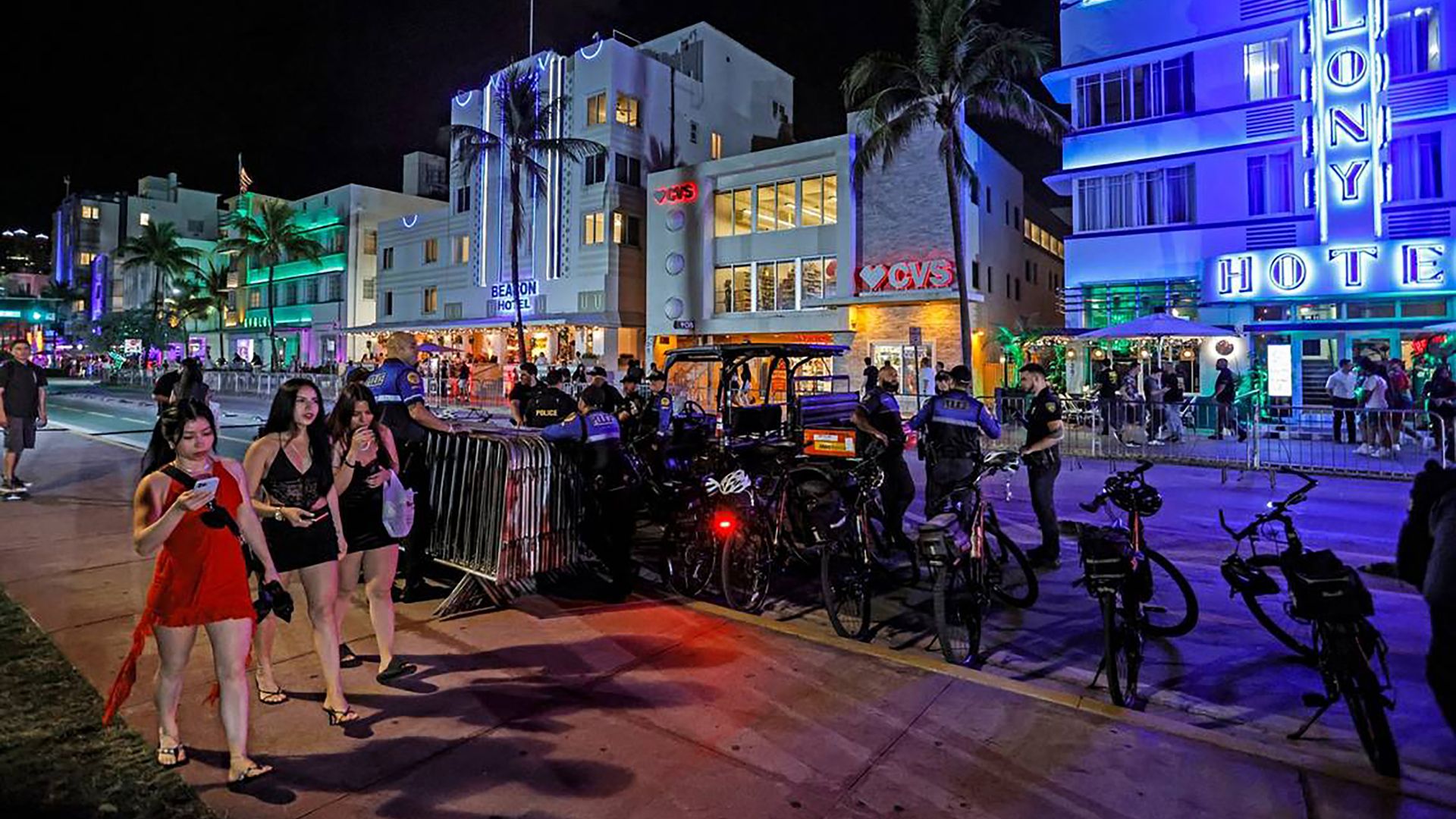
South Beach's crackdown on spring break last year helped curtail violence, but businesses say it also cost them customers. Photo: Al Diaz/Miami Herald/Tribune News Service via Getty Images
Since last spring break, a handful of South Beach businesses shut down on Washington Avenue, the iconic Mango's Tropical Cafe cut its operating hours, and Sweet Liberty reported its worst summer of sales ever.
Why it matters: As city officials work to transform South Beach from a spring break destination into a live-work-play community, some of the area's most popular bars and clubs say they are hurting.
- Meanwhile, the city and its supporters say measures like curfews, parking restrictions and anti-party PSAs were a necessary response to the violence and disorder that plagued previous spring breaks.
The big picture: Bar owners, who rely on March sales to get through the rest of the year, say business is down across South Beach and that they're worried the city's spring break crackdown will lead to more empty storefronts.
What they're saying: David Wallack, the owner of Mango's, tells Axios the South Beach entertainment district is in a "serious depression," which he blames on the crackdown and the pedestrianization of Ocean Drive.
- "Everybody's income is down 30%. It's a bloodbath."
- At Mango's, which has been on Ocean Drive for three decades, Wallack says he has cut pay, shrunk staffing and reduced lunch service to three days a week.
Sweet Liberty co-owner Dan Binkiewicz says business is down 30% compared with two years ago.
- He blames the city's recent marketing videos warning party crowds to stay away, a lack of parking, and the high prices on Miami Beach.
- "They did a good job of killing the party, which is fine, but let it go. We need some semblance of normalcy. And we need commerce."
By the numbers: The city's hotel occupancy rate is about the same as it was in 2021, but its resort tax revenue is down about 6% from 2021-22.
The other side: City spokesperson Melissa Berthier says the 2022 mark was a record high and, when compared with 2019, resort tax collections are up 24%.
- Berthier tells Axios that elected leaders are prioritizing Miami Beach's global brand over short-term gain, aiming to find "a balance between keeping South Beach safe during spring break and ensuring the continued success of all of our businesses."
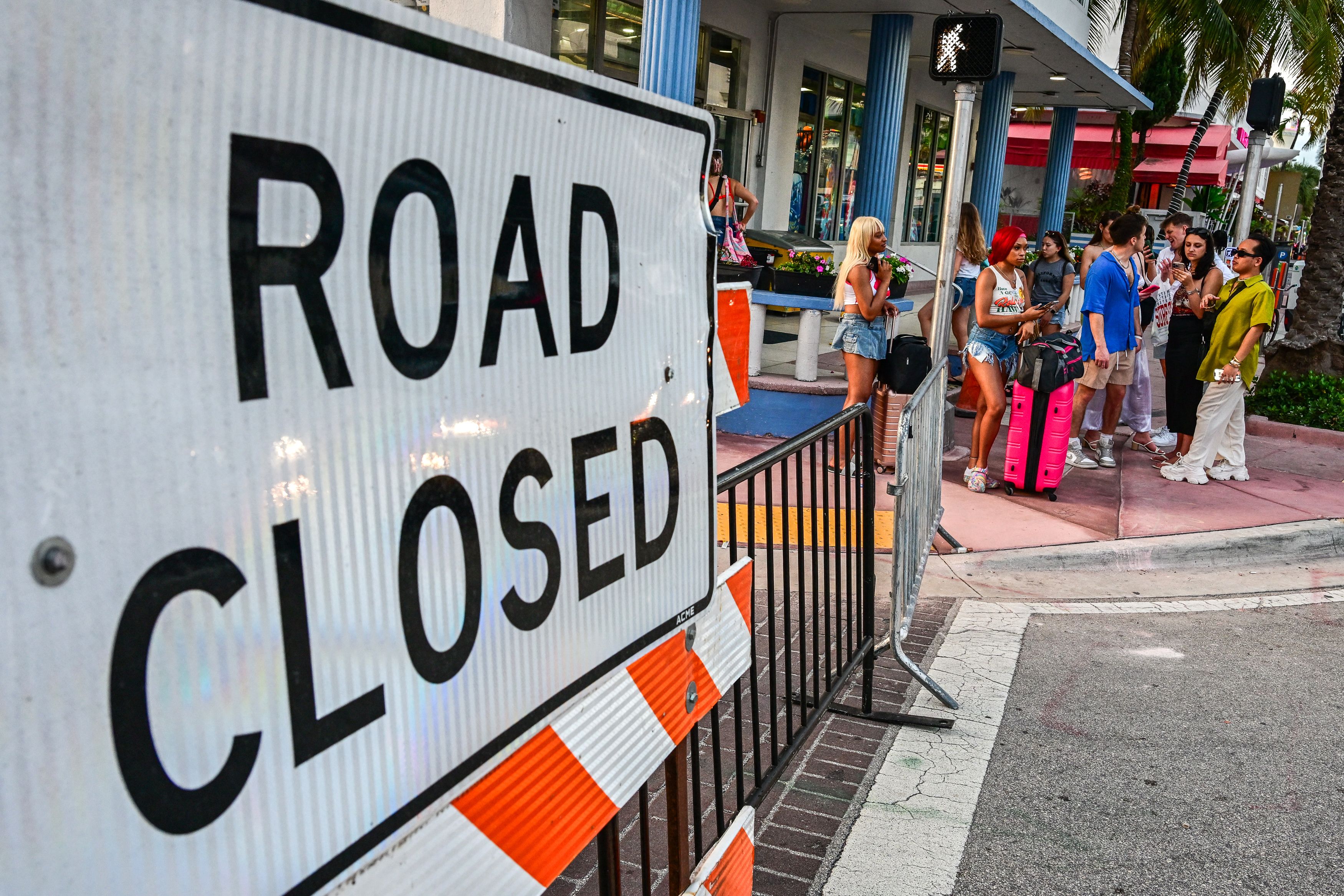
Yes, but: Though Wallack acknowledges the city has made spring break safer after fatal shootings, stampedes and disorder in past years — it also chased away customers, he says.
- "Great, they got the violence out. Now what about prosperity?"
Palace Bar & Restaurant general manager AJ Prasaguet tells Axios the long-running drag bar has seen a slowdown, but nothing compared to what he's heard from other Ocean Drive nightlife operators.
- In his two years running the business, Prasaguet says he has changed Palace's marketing strategy and is trying to cater to locals through resident discounts.
- "We've been pretty blessed not being as down as everybody else. We continue to try to be innovative."
The bottom line: He points to relatively higher hotel occupancy downtown, saying Miami is a "new shiny toy" for tourists, while South Beach hasn't changed much from what worked in the past.
- "The Beach has definitely taken a stumble."
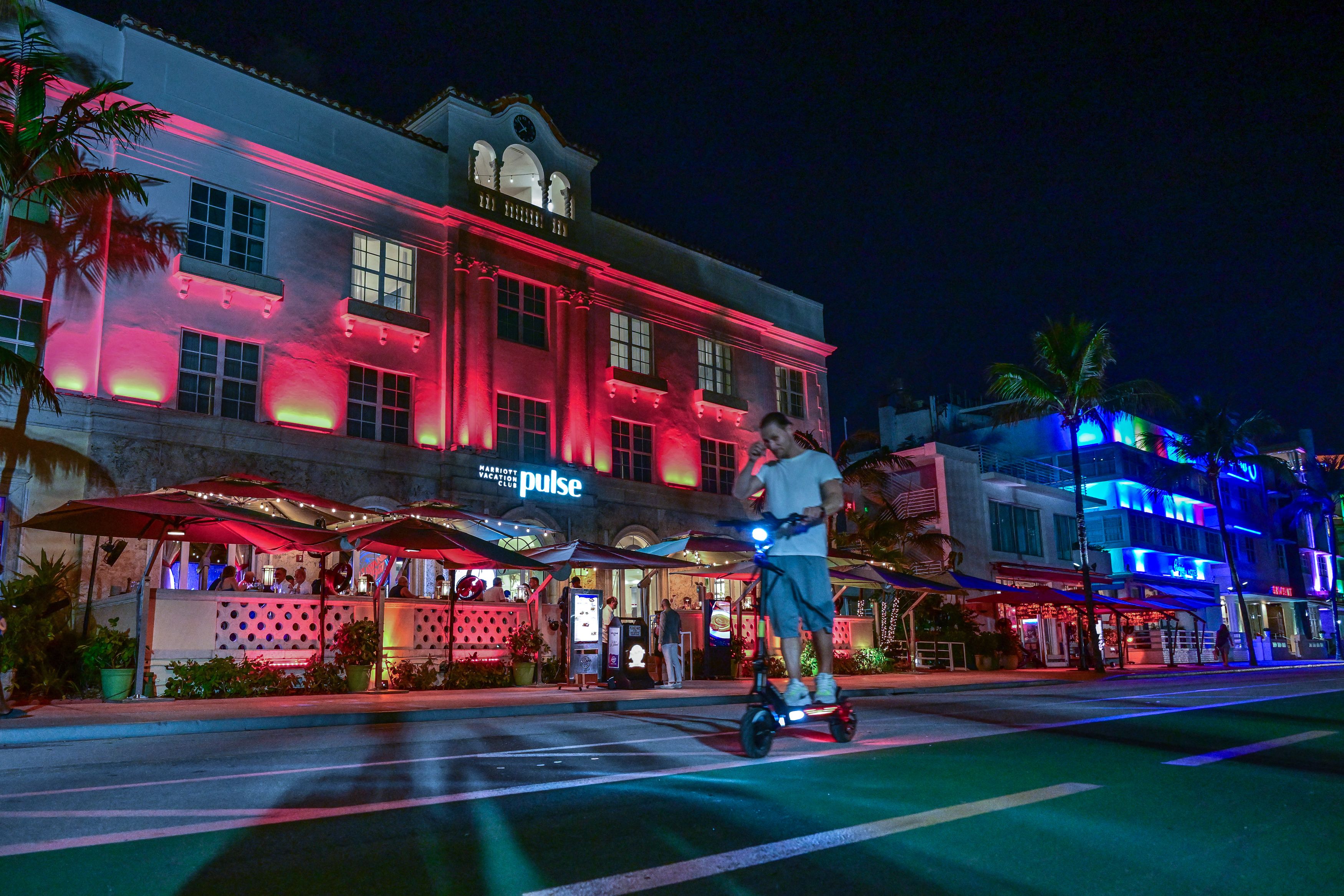
What biz districts are saying
Troy Wright, executive director of the Washington Avenue Business Improvement District, tells Axios that his business owners support the city's efforts but are worried they won't be able to make rent.
- "They really support the initiatives by the city, they want to support everything because nobody wants anyone to die, but we also believe that's a low bar."
The latest: This year, Wright said, total revenue on Washington Avenue is down, and foot traffic is slightly down after four years of growth.
- "The spring break crackdown was the beginning of the end," says Jessica Knopf, who closed her Washington Avenue restaurant Sriracha House last June.
The intrigue: Lyle Stern, president of the Lincoln Road Business Improvement District, said South Beach restaurants seemed busy last year during spring break as locals who in the past might have stayed home felt comfortable going out at night.
- The BID has not taken a public stance on Miami Beach's spring break crackdown. But speaking as a resident, Stern tells Axios that last year's marketing strategy and enhanced restrictions "allowed us to take back the city."
- "What we saw last year was a real cleansing moment," he said.
Stern said the city had to stop the disorder that had plagued previous spring breaks, but going forward, officials should be able to roll back the restrictions.
- "I don't think we can step into the future without a bright line of moving past where we were."
What's next: Berthier says the city's current focus is on rowdy behavior and "preventing chaos," she said. "No one benefits if we fail to ensure that our businesses operate in a safe and responsible manner."
- In the longer term, the city wants to attract new visitors, residents and diverse businesses by promoting the city's Art Deco architecture, cultural offerings and amenities.
- "We will continue to support small-business startups through mentorship, funding opportunities and incubation programs. Our hope is that everyone will come to Miami Beach to live, work and play."