Purdue's Amelia Earhart expedition takes off after a year of delays

Add Axios as your preferred source to
see more of our stories on Google.
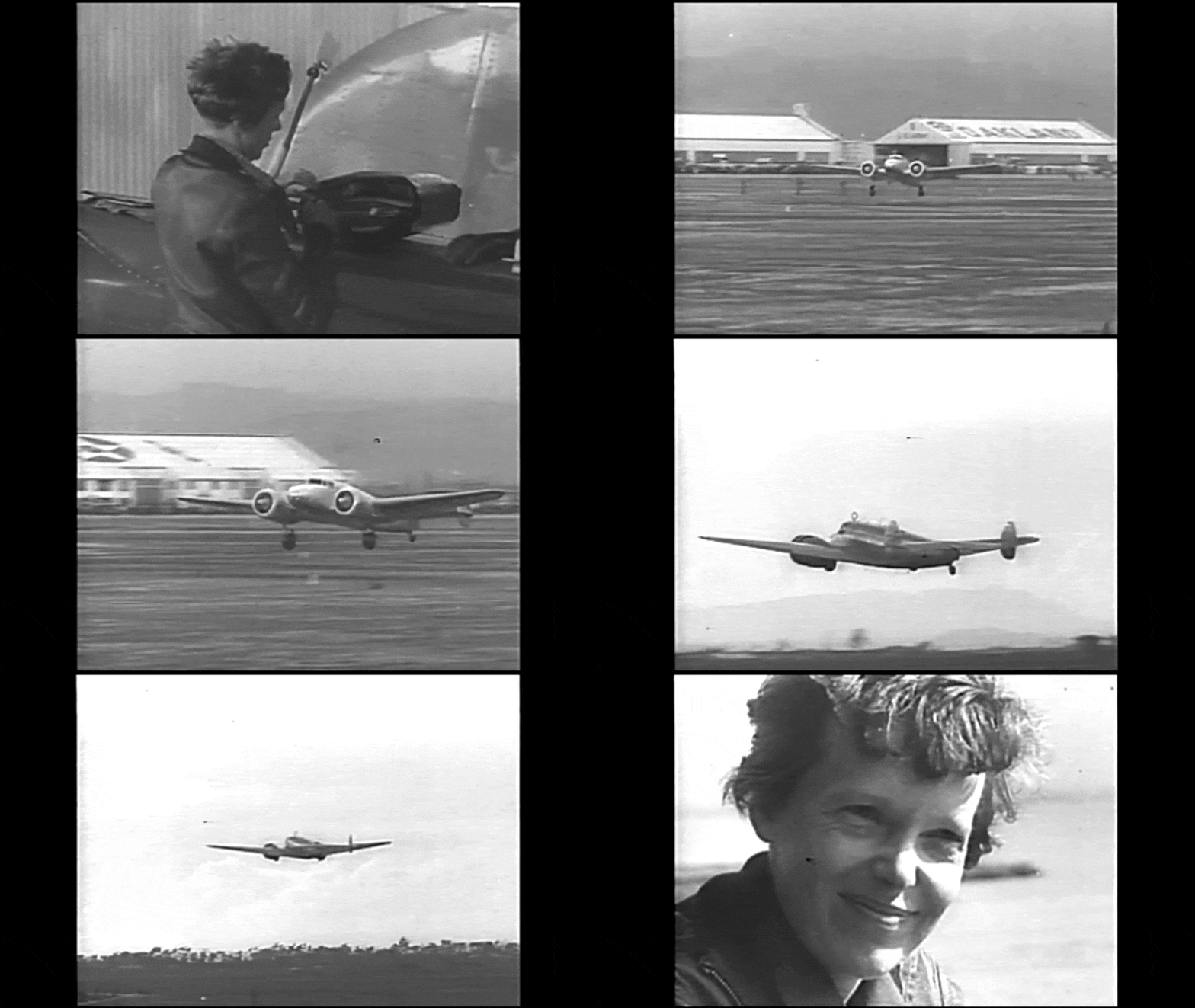
The disappearance of Amelia Earhart and her plane, the Electra, has been aviation's greatest mystery for nearly 90 years.
Why it matters: A Purdue University-backed team of researchers who believe they've solved it will finally get the chance to test the theory this fall.
Driving the news: On Earhart's 129th birthday, the Purdue Research Foundation (PRF) and the Archaeological Legacy Institute (ALI) announced their joint effort to recover the Electra from the South Pacific would take off in early October.
- The operation was originally planned for November 2025.
Yes, but: It was postponed while the team awaited final approval from the government of Kiribati, the Pacific Ocean island nation that includes Nikumaroro Island.
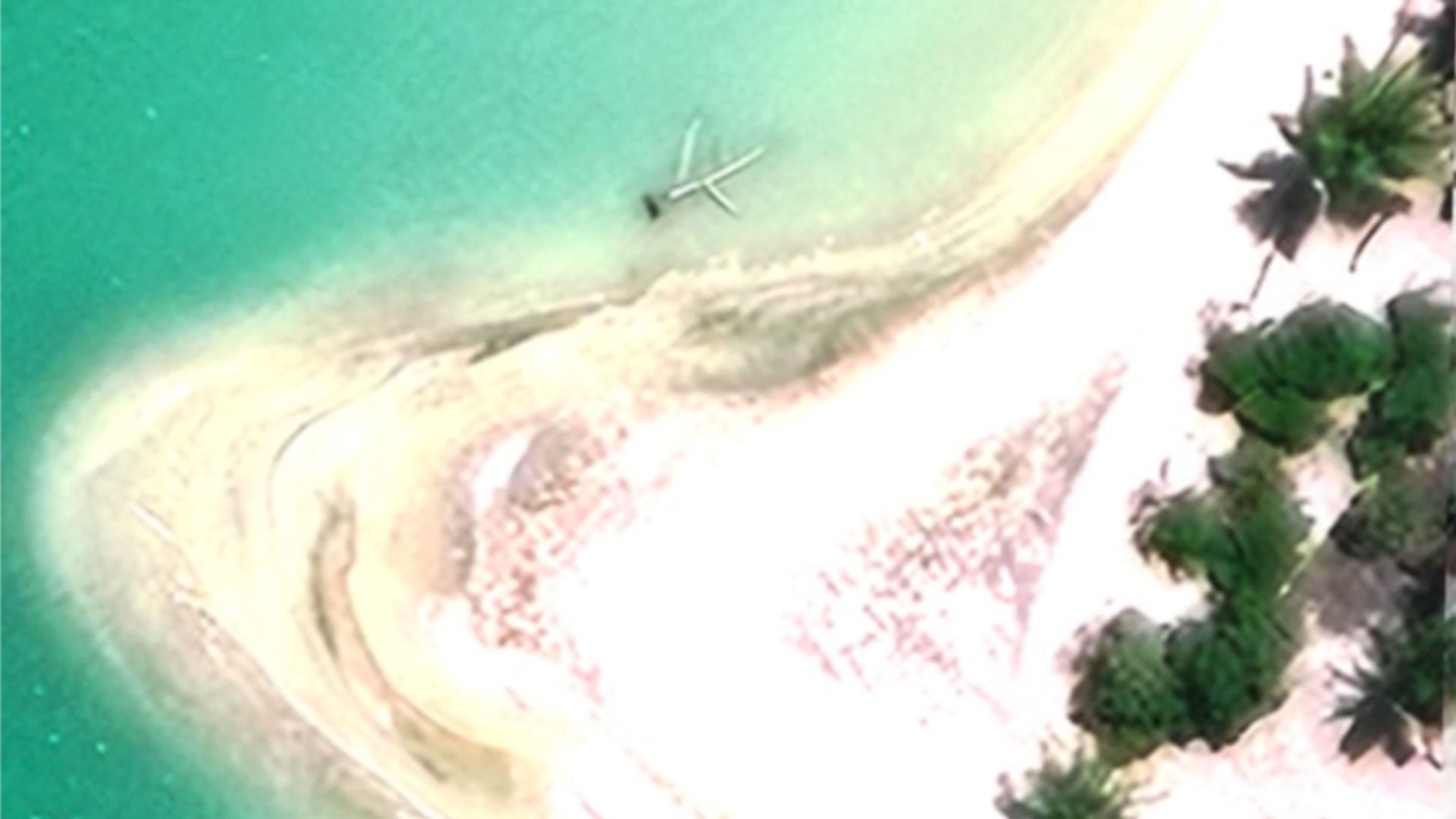
Zoom in: Researchers think a visual anomaly seen in satellite imagery in Nikumaroro's lagoon and referred to as the Taraia Object is actually what's left of Earhart's plane.
Between the lines: They're following a theory built on circumstantial evidence collected over decades suggesting that Earhart and her navigator, Fred Noonan, didn't crash at sea when they went missing on July 2, 1937.
- They think the pair landed and eventually died on the uninhabited island.
- Among the evidence is an analysis of human bones discovered in 1940 that determined Earhart's bone lengths were more similar to the discovered remains than 99% of individuals, supporting the conclusion that they belong to her.
Plus: 1930s American-made artifacts, including a freckle-cream jar, a woman's shoe, a compact case and a medicine vial, have turned up there.
- A 1937 photo also shows what researchers call the "Bevington Object," possibly Electra landing gear, jutting from the reef.
What they're saying: "We're grateful for the patience and enthusiasm of everyone who has followed this journey with us," Richard Pettigrew, ALI's executive director, said in a statement. "The evidence supporting the Nikumaroro Hypothesis remains compelling, and the only way to answer this question is to go to Nikumaroro, inspect the Taraia Object firsthand and follow the evidence wherever it leads."
Flashback: Earhart's time as a Boilermaker started when Purdue president Edward Elliott recruited her to work at the university in 1935.
- She lived in the then-new women's residence hall, served as a counselor and advised the university's aeronautical engineering department.
- Earhart planned to give the Electra, which she called her "Flying Laboratory," back to Purdue for scientific research after piloting it to set a record for the longest-distance flight.
What's next: The team, made up of archaeologists, filmmakers, medics and Kiribati representatives, sails from Tarawa, Kiribati, Oct. 7 on a roughly 830-nautical-mile journey to the island.
- They'll use magnetometers and sonar first, then a hydro probe, then gently dredge sediment to expose the object for identification.
- Pettigrew expects an ID "within just a couple of days" of arrival.
- If it is the Electra, a full excavation would take place in 2027 with a potential recovery effort after that.