30 over 30: Indianapolis Motor Speedway

Add Axios as your preferred source to
see more of our stories on Google.
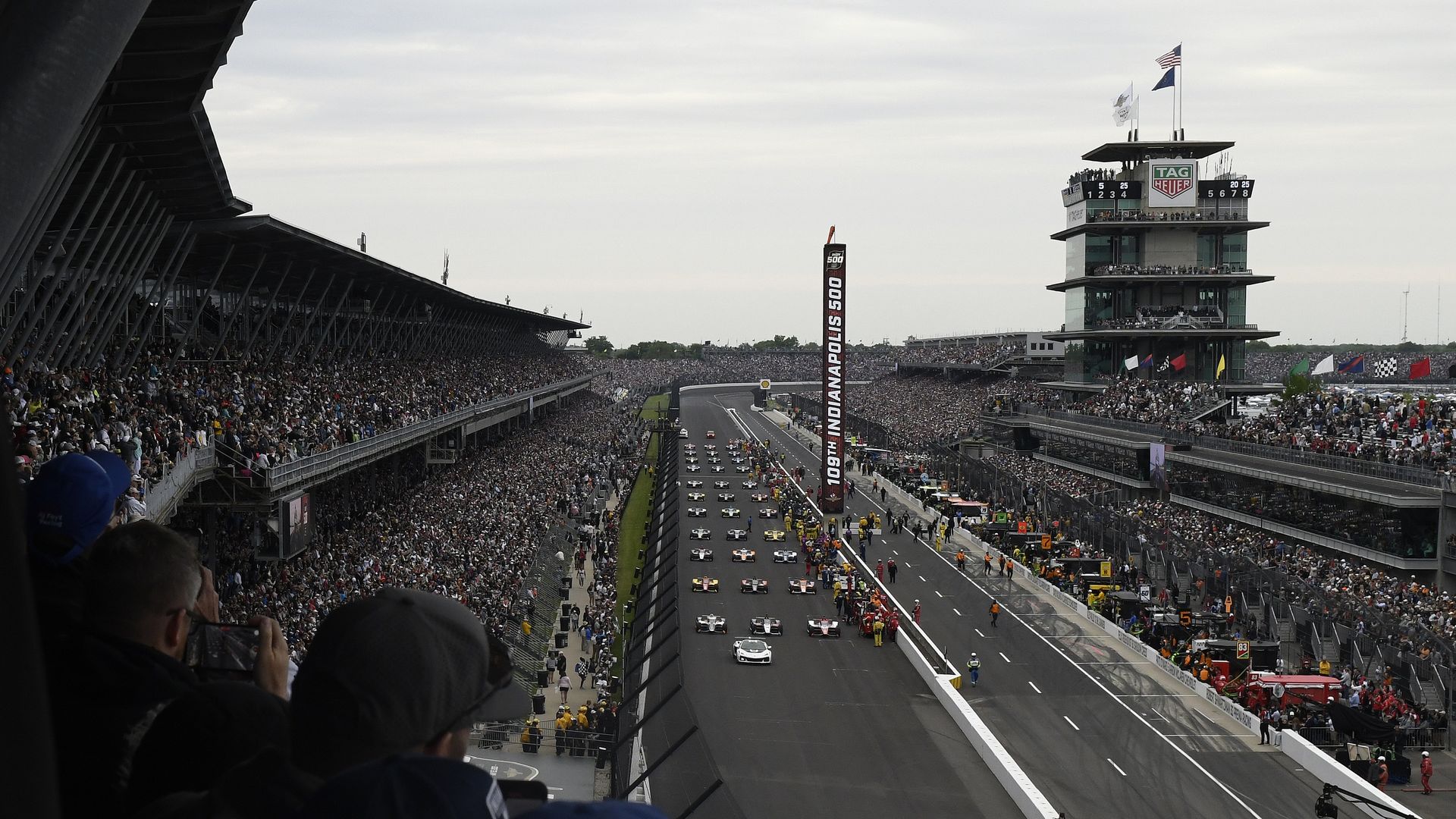
Photo: Michael Allio/Icon Sportswire via Getty Images
Welcome back to "30 Over 30," a series celebrating the staying power of Indianapolis landmarks that have endured for 30 years or more.
It'd be impossible to do a series about the places that have shaped this city over decades without including the Indianapolis Motor Speedway.
The big picture: If someone knows nothing else about Indianapolis, they're probably familiar with the largest single-day sporting event held at the nation's oldest continually operating racetrack.
By the numbers: Sold out for the second consecutive year, the 500 will bring an estimated 350,000 people to IMS, making IMS the second-largest city in the state on race day.
- A 2023 study found that IMS drives $1 billion in annual economic activity — more than half of which occurs in May.
Flashback: Built in 1909, the track was originally a testing facility for the rapidly growing local automobile industry, hosting the occasional race.
- When the first 500-mile race was held two years later, it drew a massive crowd estimated at 85,000.
- It's run annually ever since, except for a two-year period during World War I and four years during World War II.
- "We've been here for 117 years and when this place was first built, it was farmland," IMS and IndyCar president Doug Boles said. "The city has grown up around us."
State of play: Most people know the legend of Tony Hulman — the Terre Haute businessman who purchased the dilapidated track after WWII, saving it from almost certain demolition.
- It was this post-war period when the race became the spectacle we know and love today — and truly became embedded in the fabric of the city.
- For a city that now builds its reputation on being a sports capital and a great host, the 500 was the ultimate proving ground for both.
What he's saying: "I think we look like a completely different city without the Indianapolis 500 and who knows if sports would have even become a thing here," Boles said. "I don't know that we're the hospitality city that we are without the Indianapolis 500."
Zoom in: Aside from the business of the track and the glory of winning, there's another special thing about IMS and the 500.
- It's the way checkered flags pop up all over the city starting on May 1, the traditions that started before living memory and the personal connections to the race running through generations of Hoosier families.
💭 Arika's thought bubble: My first Indy 500 memories are spending the weekend playing Tekken with my cousins who lived in Noblesville, while our parents made their annual pilgrimage to the track. I went to my first race while attending Butler and am now making annual attendance my own tradition.
The bottom line: "I often think if you could just bring Carl Fisher back today, 117 years later from the day that he first started racing cars here, I think he'd be pretty amazed that it still existed," Boles said.
- "I think, in a lot of ways, we're doing what we were established to do — just at a greater scale than I think he probably could have ever imagined."