30 Over 30: Victory Field home to more than baseball

Add Axios as your preferred source to
see more of our stories on Google.
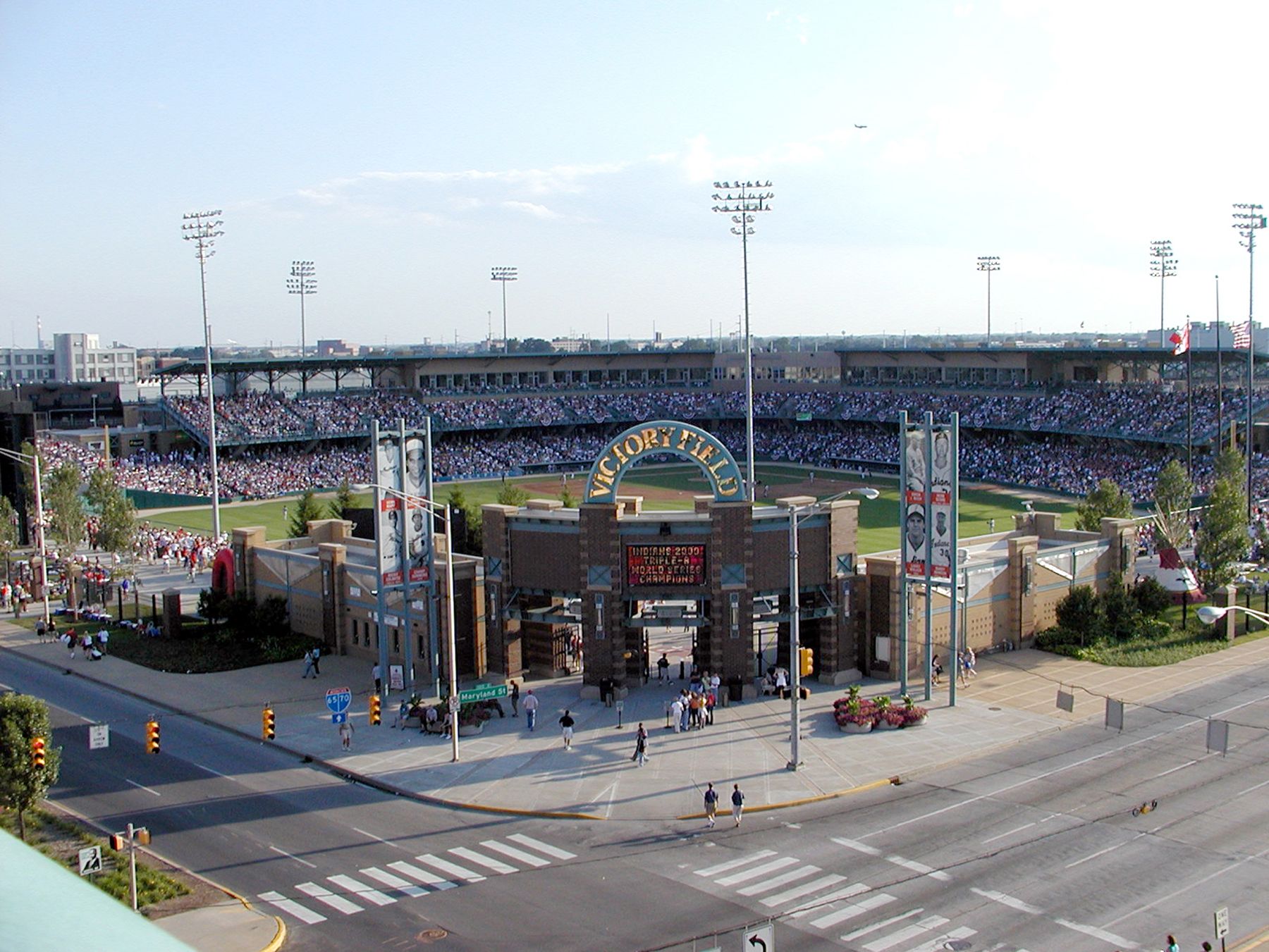
Victory Field during its first-ever opening night on July 11, 1996. Photo: Courtesy of Indianapolis Indians
Editor's note: Welcome to Axios Indianapolis' "30 Over 30," a series celebrating the icons that have shaped our city for 30 years or more.
Victory Field has done more than host baseball games. It has served as a Circle City cornerstone since the summer of 96.
Why it matters: The past three decades have seen the ballpark evolve from a $20 million downtown anchor into one of the longest-standing symbols of Indianapolis' storied sports identity.
Flashback: Victory Field began as a solution to a problem.
- In 1992, Major League Baseball determined that the Indians' longtime home, Bush Stadium on West 16th Street, no longer met the facility standards established a year earlier.
- Renovations to the stadium built in 1931 were estimated at $12-14 million, putting the franchise's future in Indianapolis in doubt.
Yes, but: Rather than patch the aging facility, city and team leaders made a bigger bet.
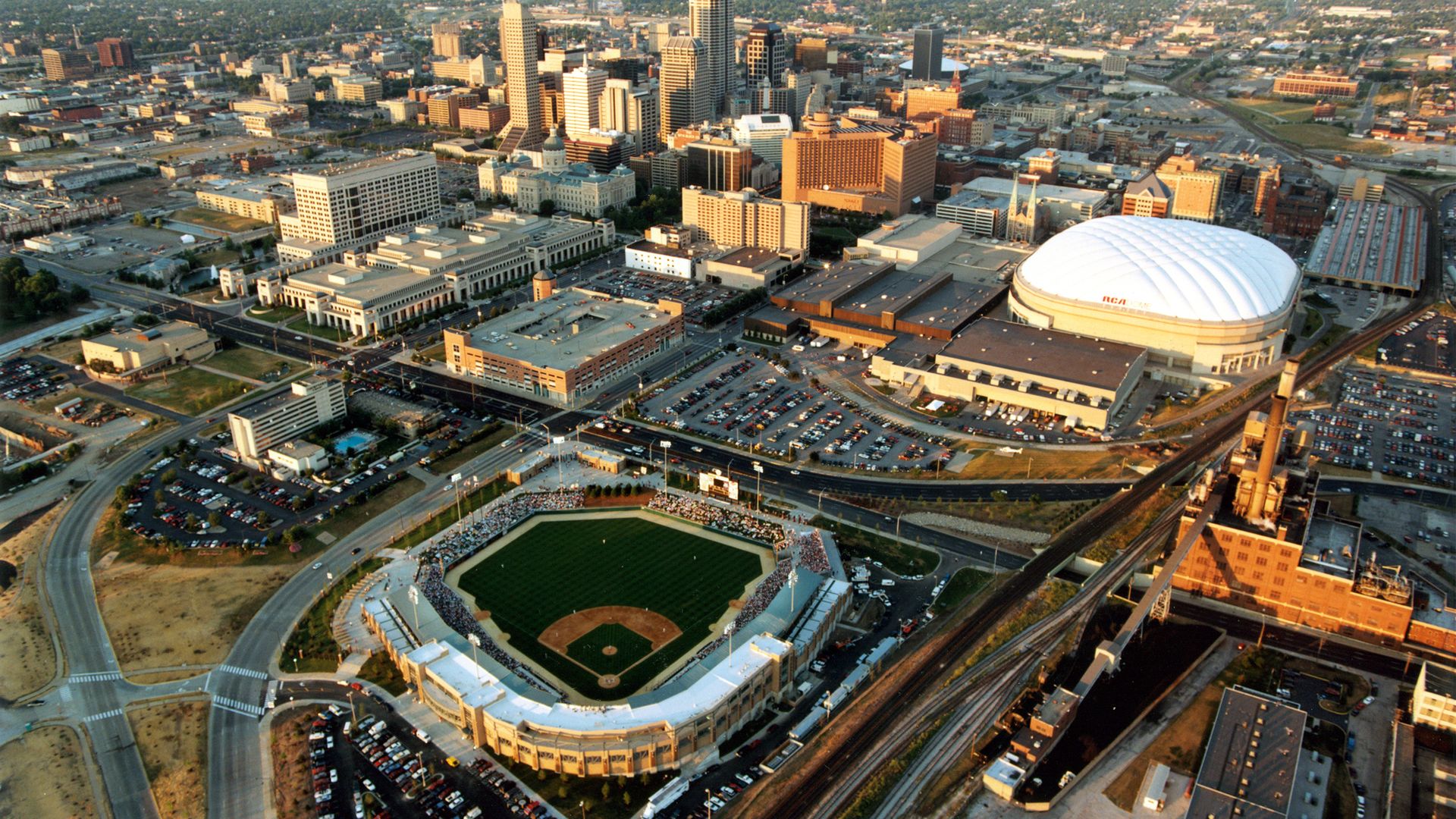
- Negotiations with the Indianapolis Capital Improvement Board resulted in the 1994 announcement that a ballpark would rise on a neglected brownfield site at 501 W. Maryland Street on land available through White River State Park.
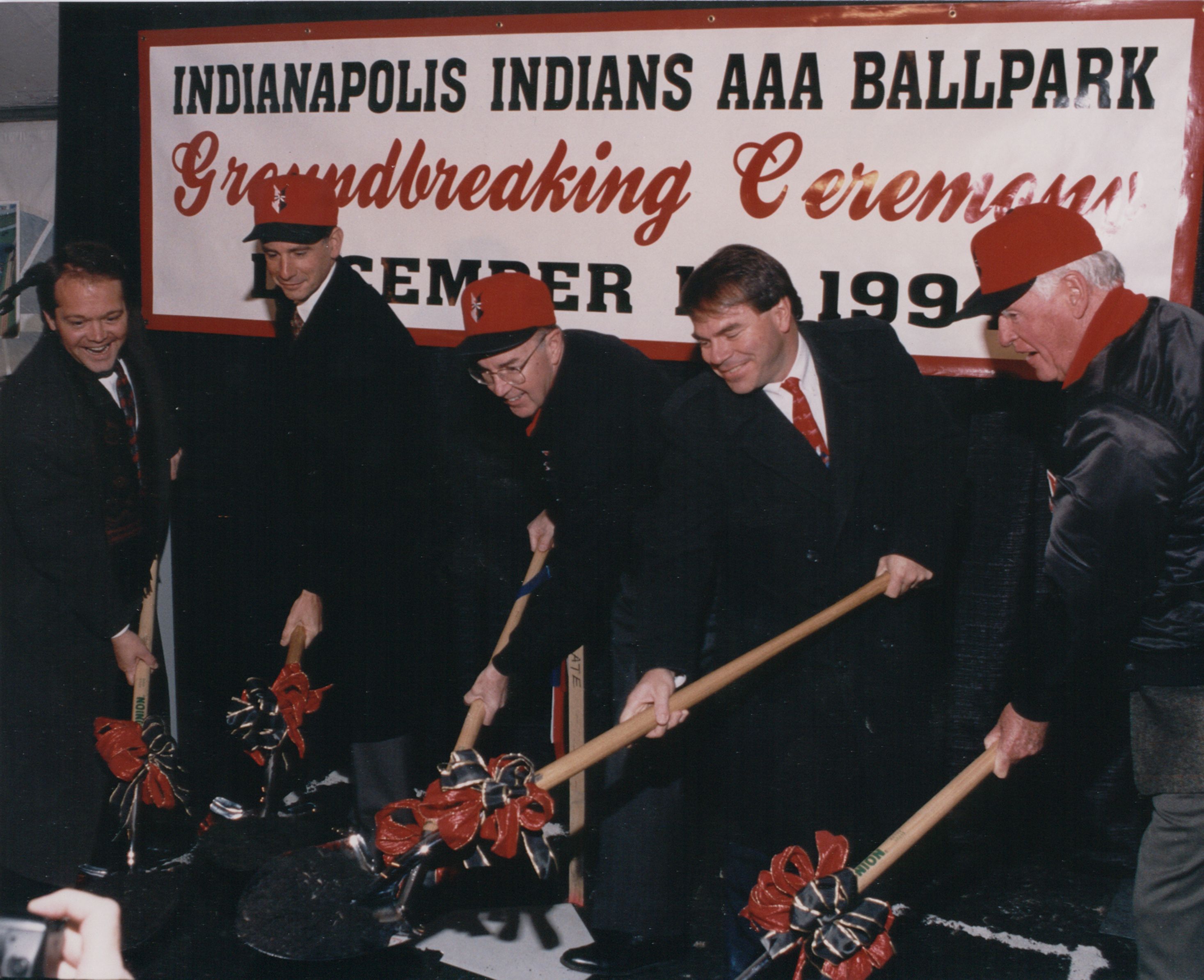
- Groundbreaking took place on Dec. 16, 1994, and the facility was constructed as a public-private partnership between the city and the team, which was wrapped up in under two years despite significant environmental remediation.
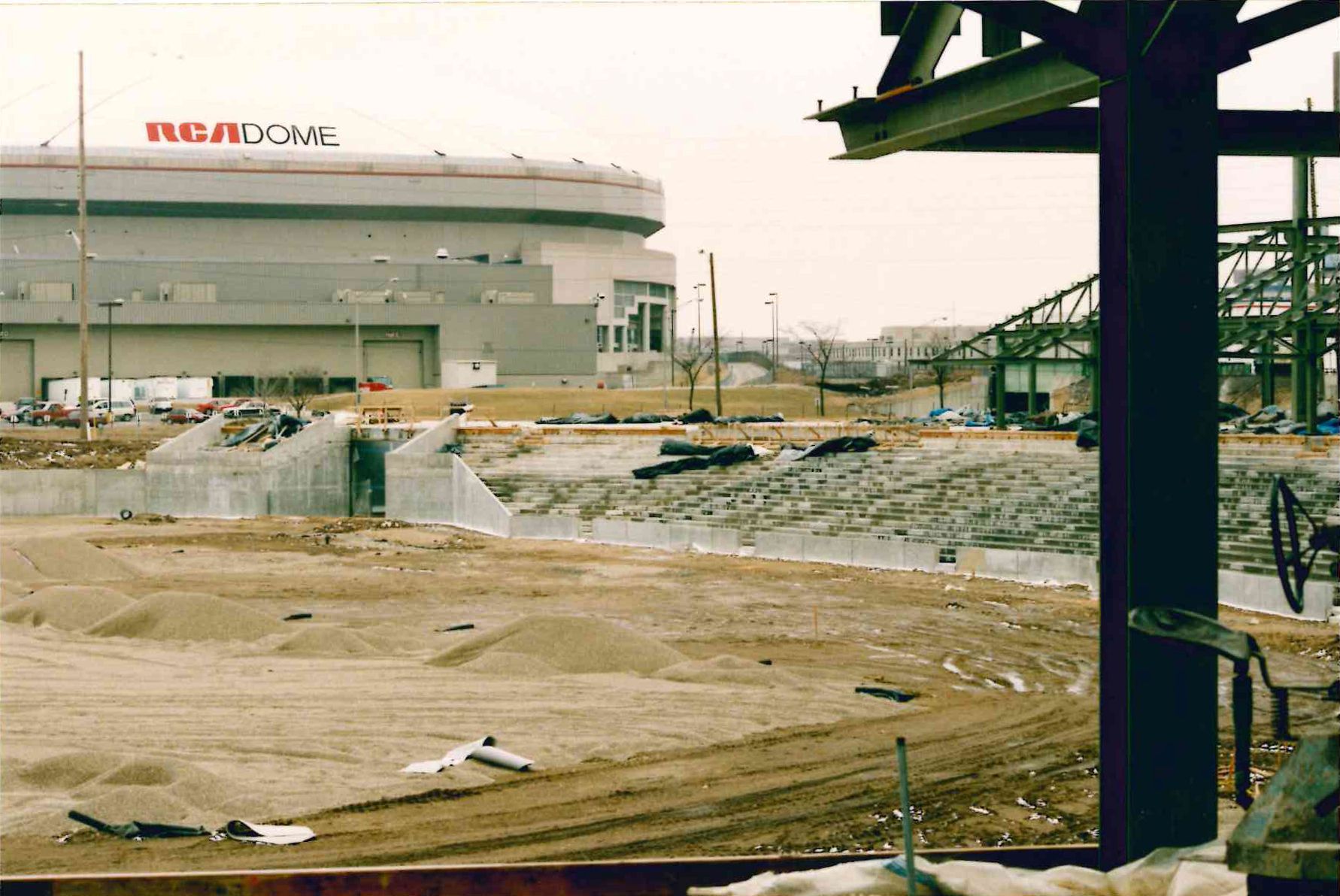
Construction delays pushed opening day from April to July 11, 1996.
- Gov. Evan Bayh, Mayor Stephen Goldsmith and CIB president Patrick Early threw out the first pitches before 14,667 fans in the house to see the Indians take on the Oklahoma City 89ers.
- Home plate, ceremonially removed from Bush Stadium after its final game on July 3, arrived by limousine.
Fun fact: The name "Victory Field" is a nod to the name carried by Bush Stadium during and after World War II.
Indianapolis Indians president and CEO Randy Lewandowski, who joined the organization as a ticket office intern in the early 1990s, was there from the start.
- "We can keep the lights on, so to speak," Lewandowski recalled of the organization's mindset heading into the move. "As Victory Field became more than talk and became a reality for the 1996 season, it just became a massive turning point for our organization."
Between the lines: Lewandowski considers Victory Field to be one of the "first few key cogs into revitalizing downtown Indianapolis."
- Circle Centre Mall opened in 1995, and Conseco Fieldhouse followed in 1999.
- Lucas Oil Stadium came a decade after that, and the JW Marriott opened across the street from the ballpark a year before Super Bowl XLVI.
- "I don't know if we thought 30 years ago that it would get to that point. But the fact that we're now the oldest venue around when it comes to sports other than the Motor Speedway, I think that just goes to show … the visionaries that helped put this thing together 30 years ago? They were ahead of their time."
Zoom in: Highlights over the past three decades include:
- Being named "Best Minor League Ballpark" by Baseball America in 1999.
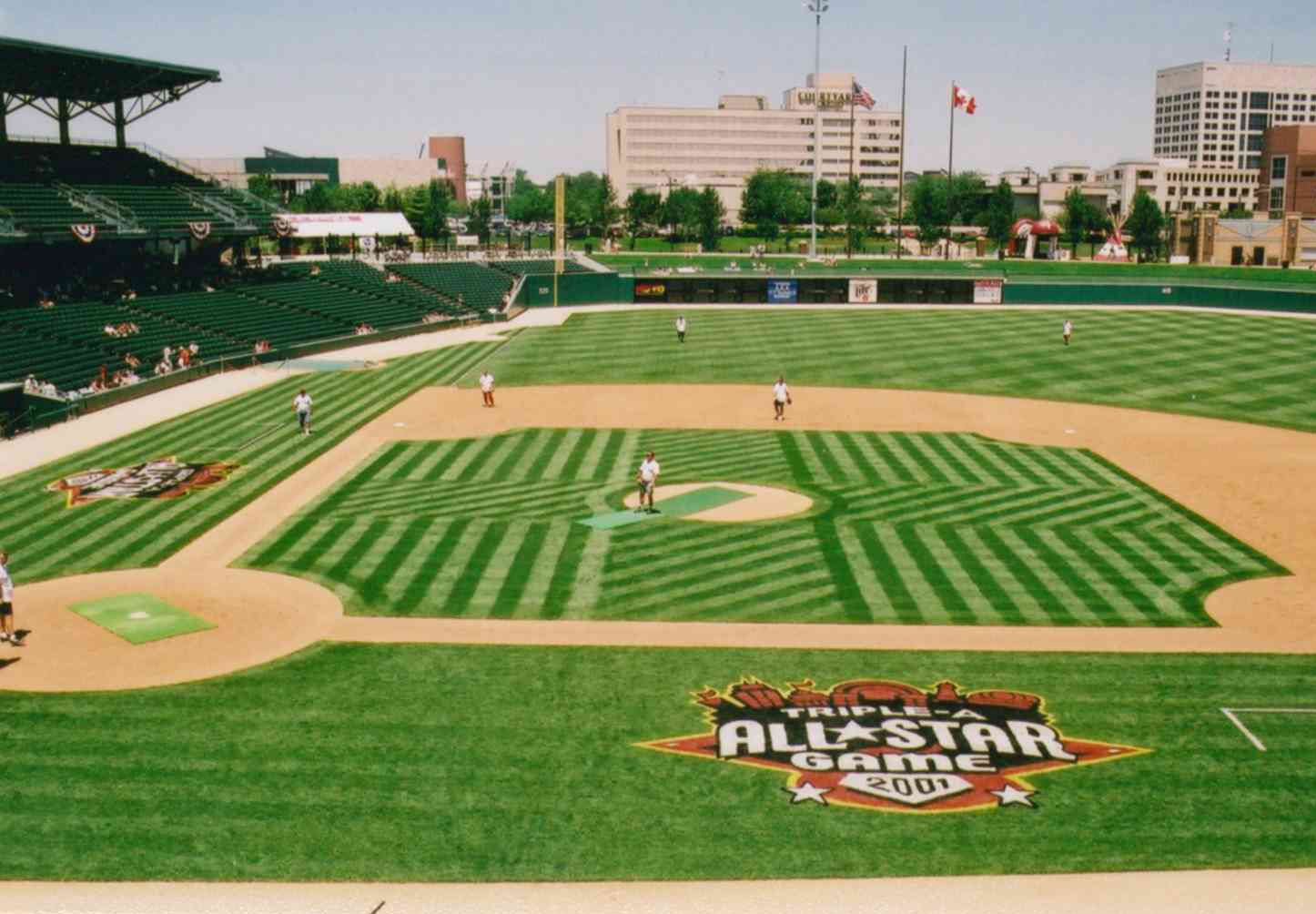
- Hosting the Triple-A All-Star Game in 2001.
- Getting another best ballpark honor from Sports Illustrated in 2013.
- Being named one of the most architecturally significant buildings completed in Indianapolis since World War II by the American Institute of Architects in 2021.
- Leading all 120 MiLB teams in average attendance in 2024.
Plus: Victory Field has championed baseball history beyond its own walls, including Negro Leagues tribute nights spotlighting both the Indianapolis ABCs and the Indianapolis Clowns, and providing a place for the trailblazing Savanna Bananas to put on a show.
What they're saying: Lewandowski believes the ballpark's staying power comes down to one word: comfort.
- "When you walk in through those doors, it's comfortable. You're greeted by a warm smile," he said. "I'll go stand out at the gates after a fireworks night and invariably, most everybody is smiling on their way out. And that's what we strive to do."
What's next: Victory Field's official 30th anniversary bash is set for July 11.