Historic Black church added to national register

Add Axios as your preferred source to
see more of our stories on Google.
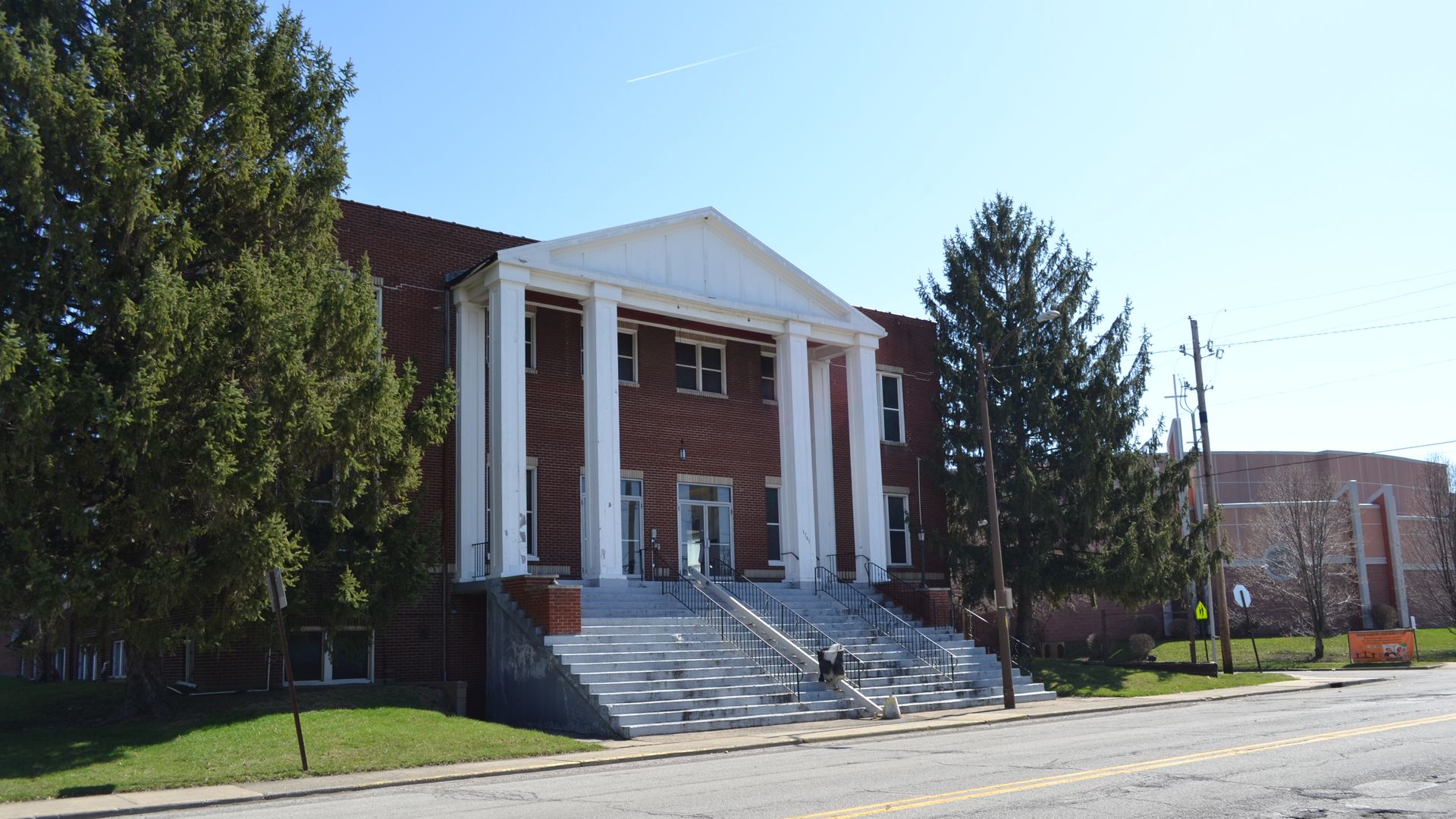
Photo: Courtesy of Indiana Landmarks
A century-old Black church in the heart of Indianapolis has been recognized as an important piece of history worth preserving.
The big picture: St. John's Missionary Baptist Church is one of three Hoosier churches important to Black heritage in the state that have been added to the National Register of Historic Places.
- Grants from Indiana Landmarks' Black Heritage Preservation Program helped St. John's, Beulah AME Church & Dunbar School in Washington and Spruce Street AME Church in Terre Haute complete applications to the program, run by the National Park Service.
What they're saying: "These nominations are part of our effort to identify, document and preserve sites important to Black heritage in our state," said Eunice Trotter, director of the Black Heritage Preservation Program, in a news release. "When a site is listed in the National Register, it's a milestone for preserving and sharing the history and heritage of Black communities for future generations."
Driving the (old) news: St. John's began in 1916 as a small group meeting in homes.
- As it grew, the congregation met in a tent before buying the Freewill Baptist Church on the corner of 17th Street and what was then Martindale Avenue and, eventually, building a new facility in 1926.
State of play: The church became grew into a center of activity for the civil rights movement after Andrew J. Brown became pastor in 1947 and emerged as a prominent leader of the movement.
- Brown became friends and colleagues with Martin Luther King Jr. and St. John's hosted the civil rights icon during his visits to the city.
- Brown, known for his fiery sermons, served 43 years at the church and Martindale Avenue was renamed in honor of him in 1986.
Today, St. John's sits on the corner of 17th Street and Dr. Andrew J. Brown Avenue.