IMPD details its "game changer" shift adjustments

Add Axios as your preferred source to
see more of our stories on Google.
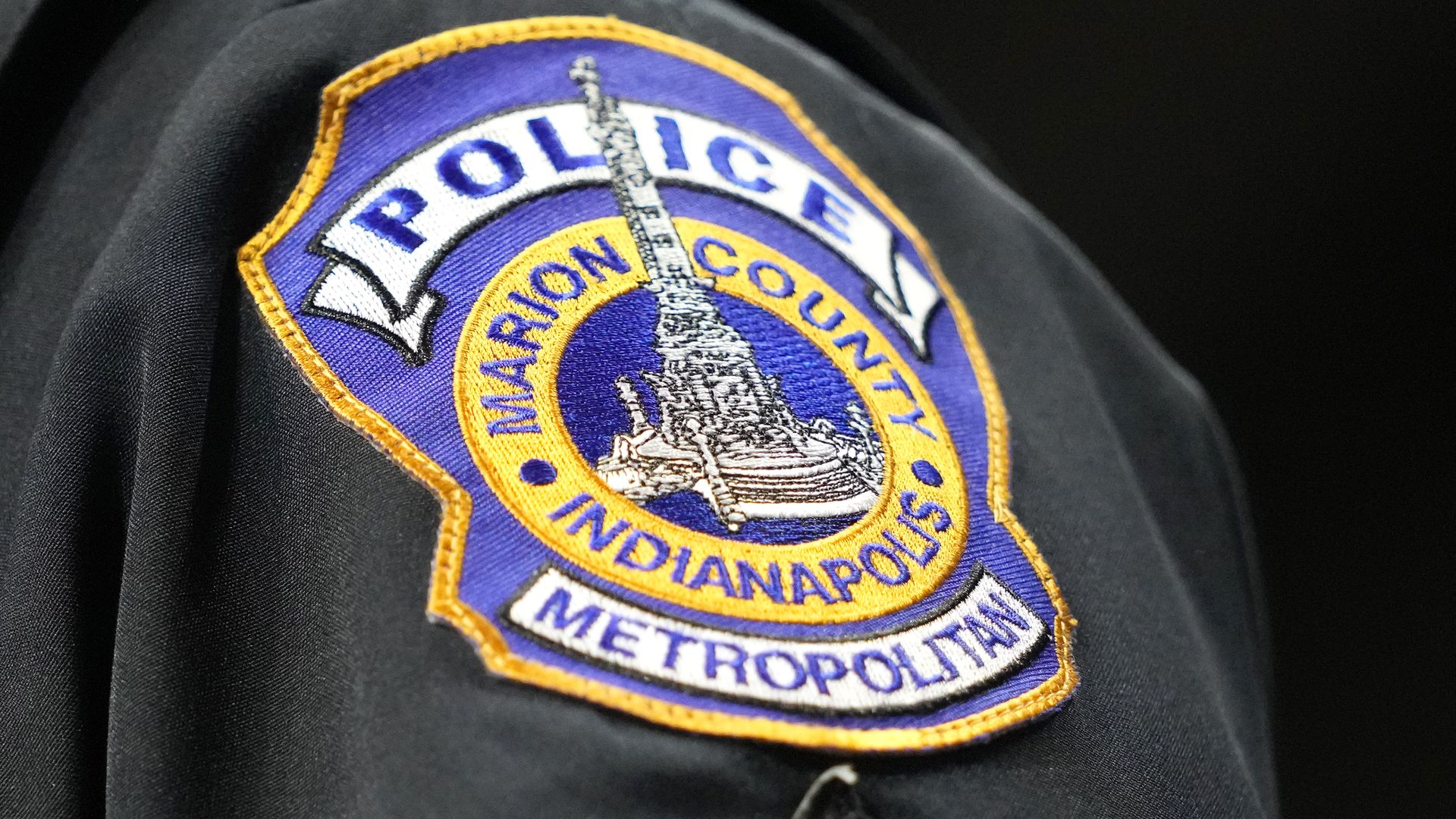
As staffing shortages persist, IMPD leaders have a plan to beef up patrols while addressing officer wellness. Photo: Mitchell Layton/Getty Images
Next year will bring about the most significant shift changes Indianapolis police officers have seen in more than 30 years.
Why it matters: Leaders say the transition from working 8.5-hour to 10-hour days will help IMPD compete for talent, maintain the staff levels that have contributed to lower violent crime numbers and promote a greater "work-health balance" within the department.
Driving the news: The adjusted policy born from the city's labor agreement with the Fraternal Order of Police and approved by IMPD officers in September will enter a testing phase on Jan. 3.
How it works: Patrol officers will go from a schedule of six days on and three days off to a rotation that goes five days on, three days off, four days on and four days off.
- The department is adding a fourth shift to provide more coverage overlap during peak hours.
- The current model only provides 30 minutes of overlap between shifts, while the new model will put more officers on duty between the hours of 11am and 2:30am each day.
- It also creates a scenario where there are 46 calendar days where every IMPD officer will be working, assisting in things like department-wide training or coordinated enforcement efforts.
Zoom in: Despite the longer hours, Indianapolis FOP President Rick Snyder said the revamped structure will provide more time to recover and spend time with family between shifts.
- Officers will get 37 more days off each year while working the same number of hours, he said.
- Snyder added that while smaller departments that follow 10-hour or 12-hour shift models often have set days off, IMPD wanted to keep rotations intact to ensure that younger recruits don't always get stuck working weekends.
What they're saying: Snyder called the adjustments a "game changer" for IMPD's recruitment and retention efforts, noting that surrounding departments like Fishers and Carmel leverage their 12-hour work days to attract officers.
- He said the volume of calls makes 12-hour shifts unrealistic in Indianapolis, but 10 hours is a "sweet spot" backed up by research that he believes will lead to increased officer headcount.
- "We're competing with a lot of those agencies now on salary ... but most of them will still tell you there are other attributes such as that alternative shift schedule that attracts them because they have a better work-health balance," Snyder said. "Now they'll have that at IMPD."
Reality check: The IMPD is still operating with a shortage of roughly 300-350 officers, so the staffing changes will not immediately reduce overtime costs, even though that is one of the goals.
- "I think we will see some reductions as we move along, but during those non-overlap hours, we will use overtime to ensure there is enough staff to respond to 911 calls, priority one calls and high volume calls," IMPD chief Chris Bailey said.
What's next: IMPD officers will vote to keep the new policy or revert to the old one in fall 2026.
Go deeper: IMPD wants feedback on its priorities