How the government shutdown will impact Hoosiers


Add Axios as your preferred source to
see more of our stories on Google.
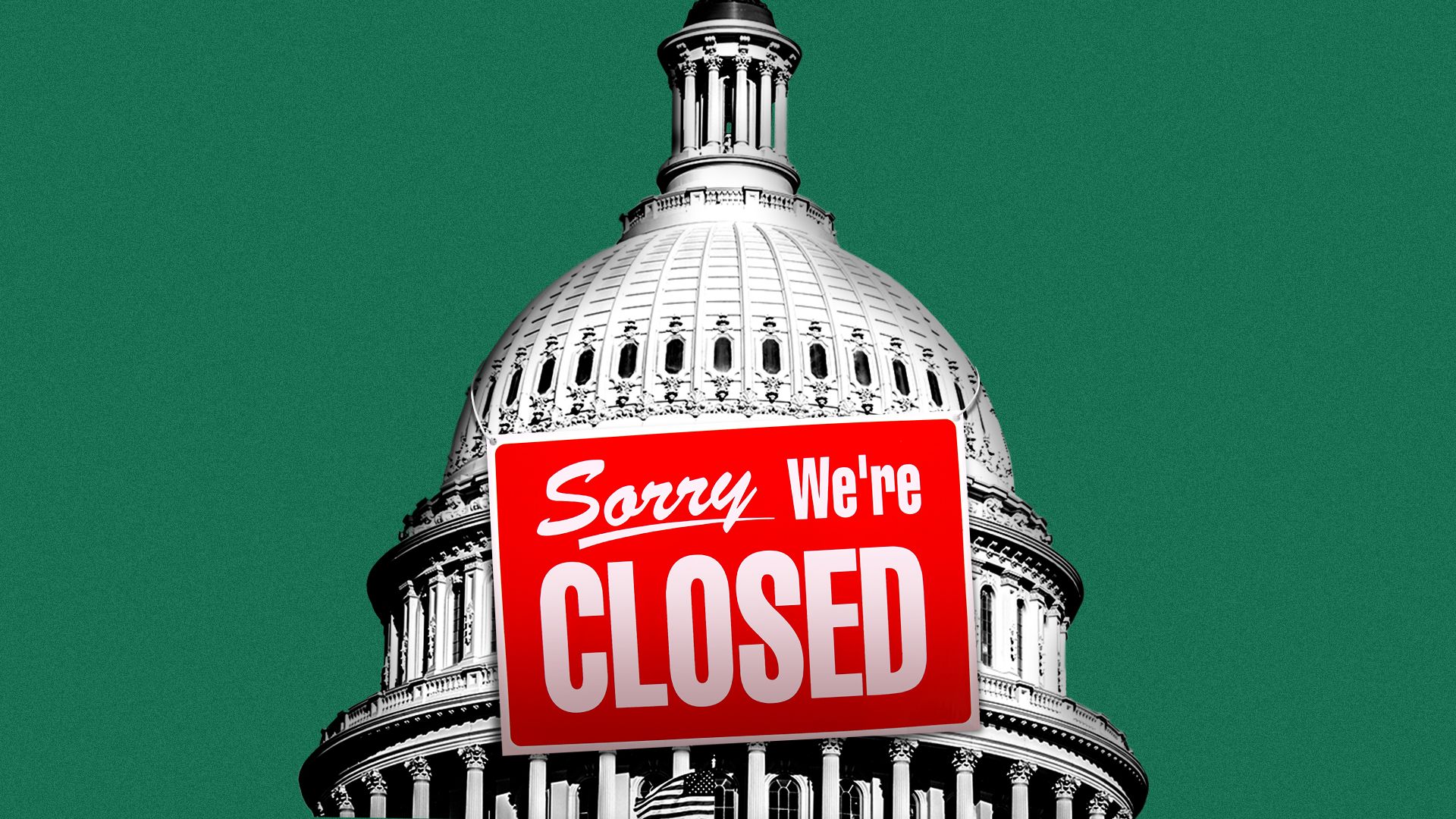
Illustration: Sarah Grillo/Axios
The government shutdown is underway — and it could disrupt your daily life.
The big picture: Millions of people won't get paid during the shutdown, federal agencies may slow down and some programs will be stalled.
- Generally, federal functions deemed "essential" — including health programs, new Social Security and Medicare actions, SNAP benefits and FDA inspections — don't pause during a shutdown.
- Other departments, including the U.S. Postal Service, border protection and TSA will continue operating, too.
Yes, but: Staff shortages at airports could lead to delays or cancellations.
- More than 13,000 air traffic controllers will have to work without pay, per the Department of Transportation's plan.
- Roughly 3,500 aviation professionals who provide critical safety and operational support would also be furloughed.
Plus: Other services are already being disrupted, like access to government data from sources including the U.S. Census Bureau and Bureau of Labor and Statistics.
- Education programs, including early childhood programs and federal student aid, could also be disrupted.
- National parks will mostly stay open, but may close if visitor access becomes a "safety, health or resource protection issue."
Zoom in: Indiana is home to nearly 25,000 federal civilian employees who won't get paid through the shutdown.
- While a law passed during the 2019 shutdown allows federal workers to automatically receive back pay once funding resumes, President Trump has talked about using the shutdown to institute layoffs and further shrink the federal workforce.
What they're saying: Mark Russell of the Indianapolis Urban League told Axios he's concerned about the impact that a prolonged shutdown will have on the populations the Urban League works with, including seniors and veterans.
- While Social Security payments will continue and Department of Veterans Affairs medical centers will stay open, there may be delays in services and other health programs could be stalled.
- "When people think about seniors, they think about Social Security but it's much deeper than that," Russell said.