How Harris County's West Nile threat stacks up this year

Add Axios as your preferred source to
see more of our stories on Google.
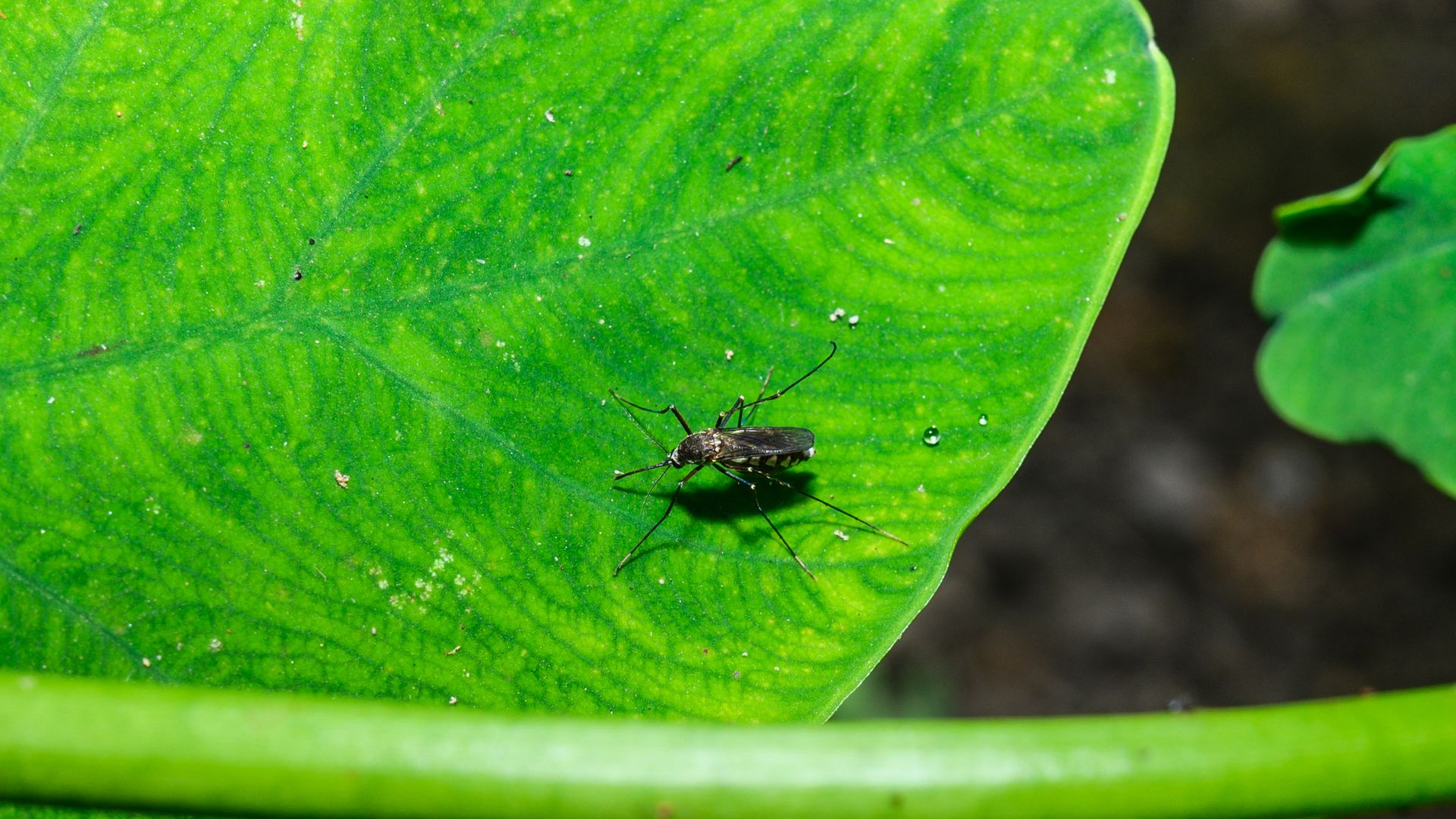
An aedes mosquito, one of more than 50 species found in Houston. Photo: Soumyabrata Roy/NurPhoto via Getty Images
Harris County Public Health officials are keeping a close eye on the West Nile virus after detecting it in mosquitoes way earlier than usual.
Why it matters: The West Nile virus can cause serious health problems and sometimes lead to death. Harris County health leaders are urging the public to do their part.
The latest: A Harris County resident tested positive for West Nile virus neuroinvasive disease last month, the first human case of West Nile reported in Texas this year.
By the numbers: There were seven cases of West Nile virus in humans in Harris County in 2025 and 77 in 2024, per an Axios analysis of Centers for Disease Control and Prevention data.
- Harris County has averaged 35 human cases per year since 2002, though annual totals vary widely. There were 134 cases in 2014 compared with just one in 2020, CDC data shows.
State of play: The presence of West Nile in mosquitoes started in May 2025, lasted through the year and trickled into 2026, Courtney Standlee, director of Harris County's mosquito and vector control division, tells Axios.
- West Nile usually shows up in mosquitoes during the summer months but can be found as early as March and as late as December.
What they're saying: Standlee says a combination of Houston's sprawl and changing migratory bird patterns — birds pass on the virus to mosquitoes — could help explain the trend. But officials are still working to find out what exactly happened.
- "The mosquito that spreads West Nile really enjoys using" stormwater systems across Houston, Standlee says, adding that birds may have lingered longer in the area because of the warmer winter.
Threat level: Standlee says the threat of West Nile is "omnipresent," though warm and humid conditions don't necessarily increase transmission risk or mean mosquito populations are larger.
- Several factors are at play, including mosquito, animal and human behavior. For example, people need to be vigilant about not letting standing water linger.
- "If one of those components is out of line, we can have huge shifts in the amount of mosquitoes that are around," Standlee says.
The bottom line: The county's mosquito and vector control division can send an inspector to homes to help identify mosquito breeding grounds and provide temporary treatment. Call 713-440-4800 or report online.
- Standlee says the public's help identifying hotspots is a major contributor to reducing the West Nile risk.