Culture Brief
Inside MFAH's new Frida Kahlo exhibition

Add Axios as your preferred source to
see more of our stories on Google.
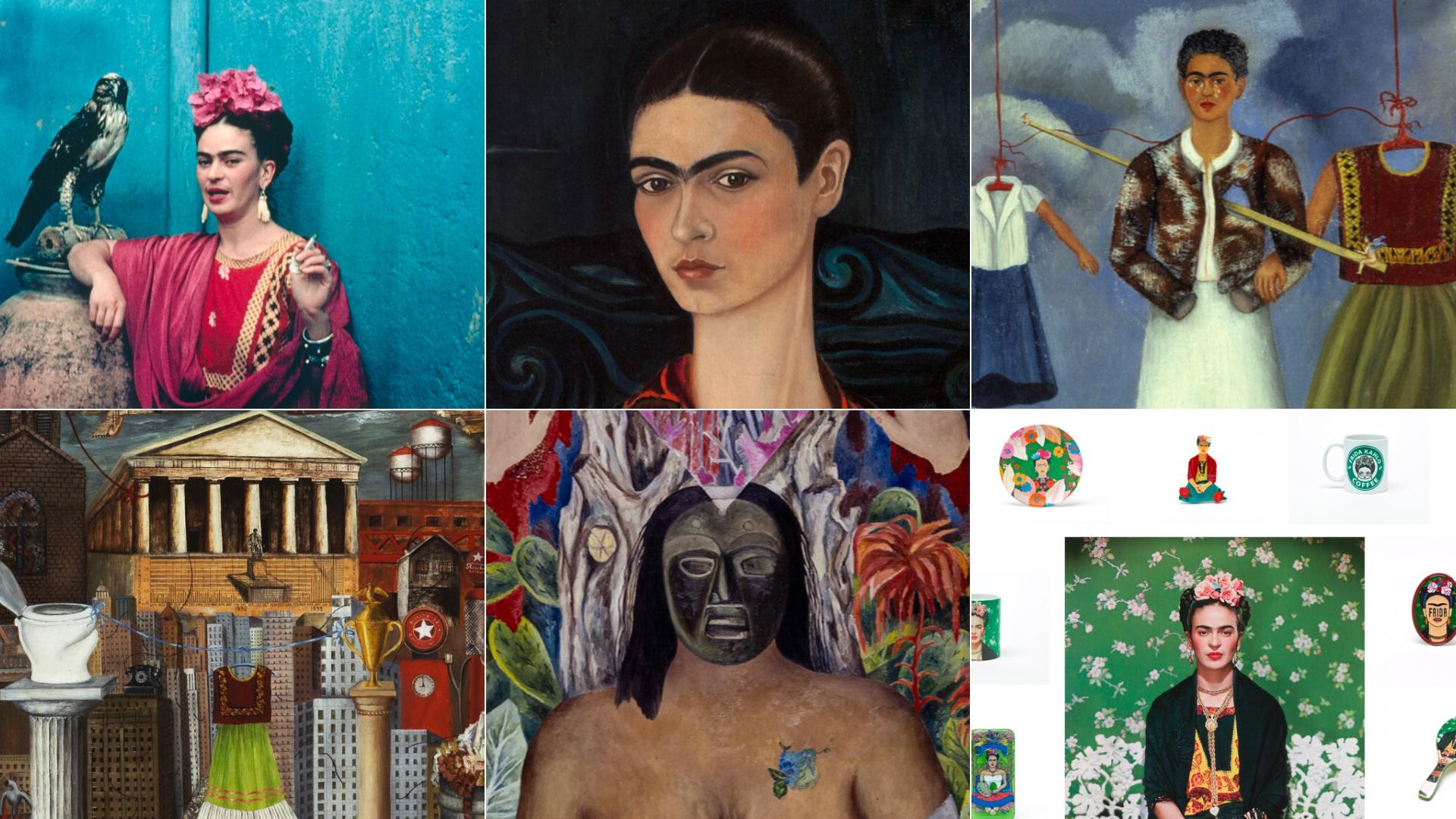
"Frida: The Making of an Icon" has been in the works for four years and features several of Frida Kahlo's most recognizable paintings and photos. Photos: Courtesy of Museum of Fine Arts, Houston
The highly anticipated Frida Kahlo exhibition opens Monday at the Museum of Fine Arts, Houston — and it goes beyond her art to explore her legacy.
Why it matters: It's Frida — a household name whose image now rivals (and arguably surpasses) that of many modern masters.
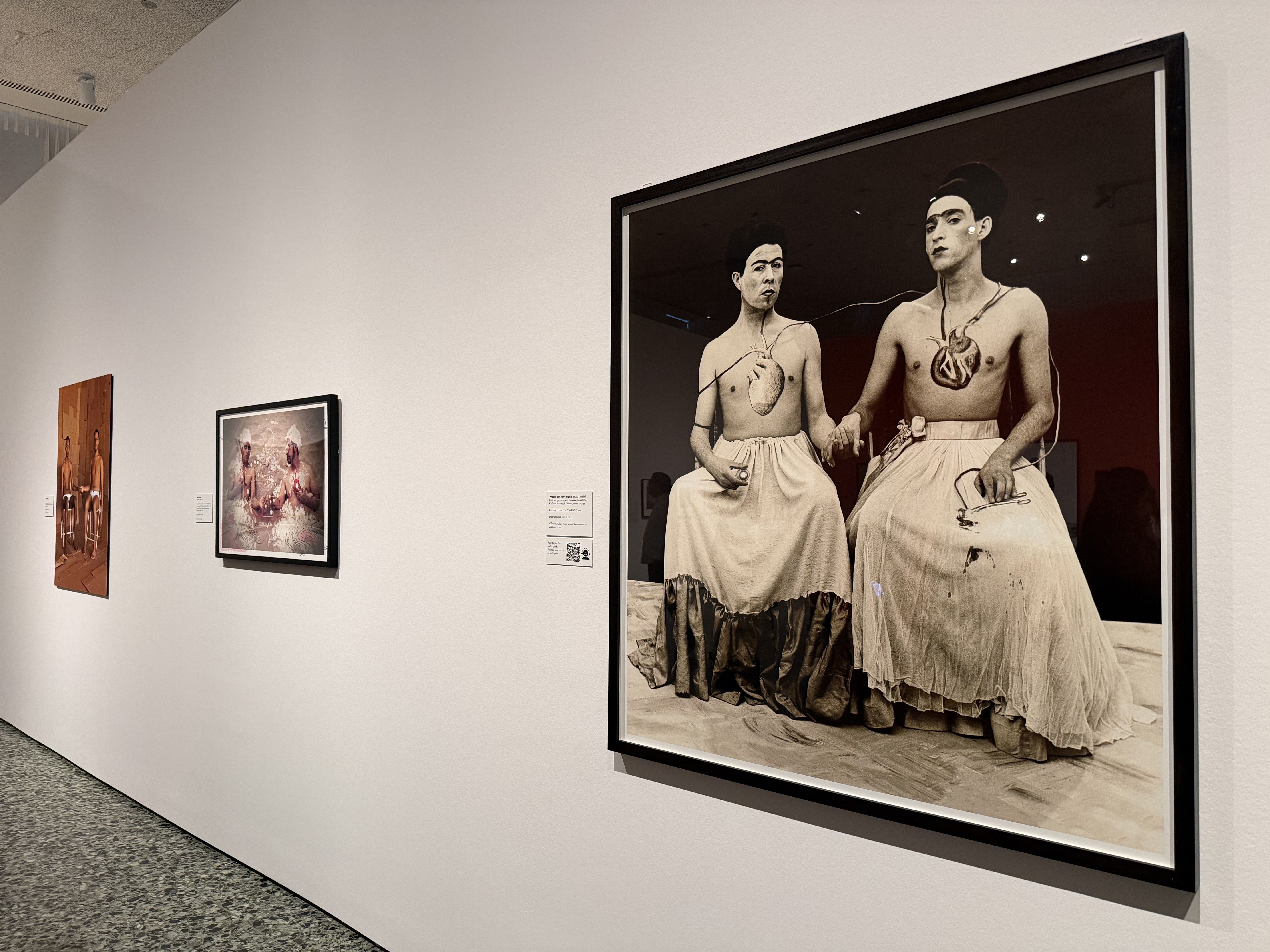
- "Frida: The Making of an Icon" examines Kahlo's posthumous transformation into a global symbol — from artists trying to embody her to the mass commercialization of her image.
- It's expected to attract droves of out-of-town visitors — and their money — to the museum and its robust exhibit-related programming.
State of play: The exhibition, while not a traditional retrospective, includes more than 30 works by Kahlo, alongside clothing, jewelry, photographs and personal items from her archives from Casa Azul in Mexico City.
- Spread across seven rooms, the show weaves Kahlo's work with that of artists she inspired, directly illustrating her influence.
Zoom in: More than 80 artists across five generations are featured — from surrealists of the 1930s to contemporary artists working in feminist, LGBTQ+, Chicano, Latino and disability art traditions.
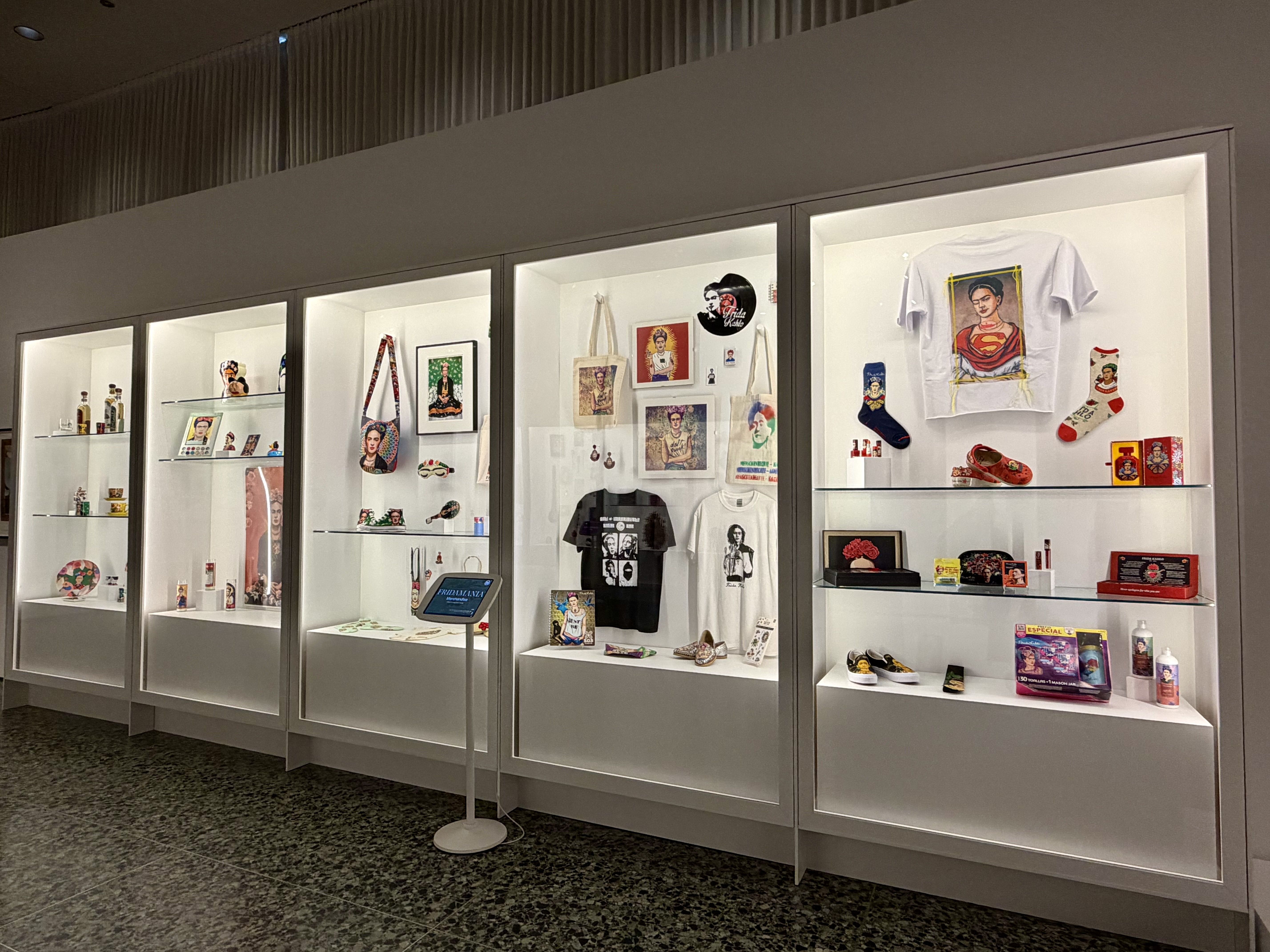
- One area is devoted to "Fridamania," showcasing nearly 200 objects that reflect the commercialization of Kahlo's image, including posters, cosmetics, dolls and even sanitary napkins.
Between the lines: The exhibition was conceived and organized by MFAH curator Mari Carmen Ramírez four years ago. She says Kahlo's influence hasn't faded since the wave of attention sparked by her 1983 biography — instead it has become more ubiquitous.
- Ramírez notes that Kahlo wasn't widely known during her lifetime, working largely in the shadow of her ex-husband, Diego Rivera.
- Her intimate, unsparing portraits, Ramírez says, continue to draw people in — and are why artists still see her as a point of permission to address the body, identity and trauma.
What they're saying: "The phenomenon that we're trying to track with the exhibition is how she's transformed by social and political forces into one of the most influential artists of the 20th century. And it's that whole process of iconization that is told in the exhibition," Ramírez tells Axios.
- "She had the capacity to stimulate in people a desire to embody her. And that's something that we don't find in relation to any other artist. The fact that people don't just want to see Frida, but they want to be Frida."
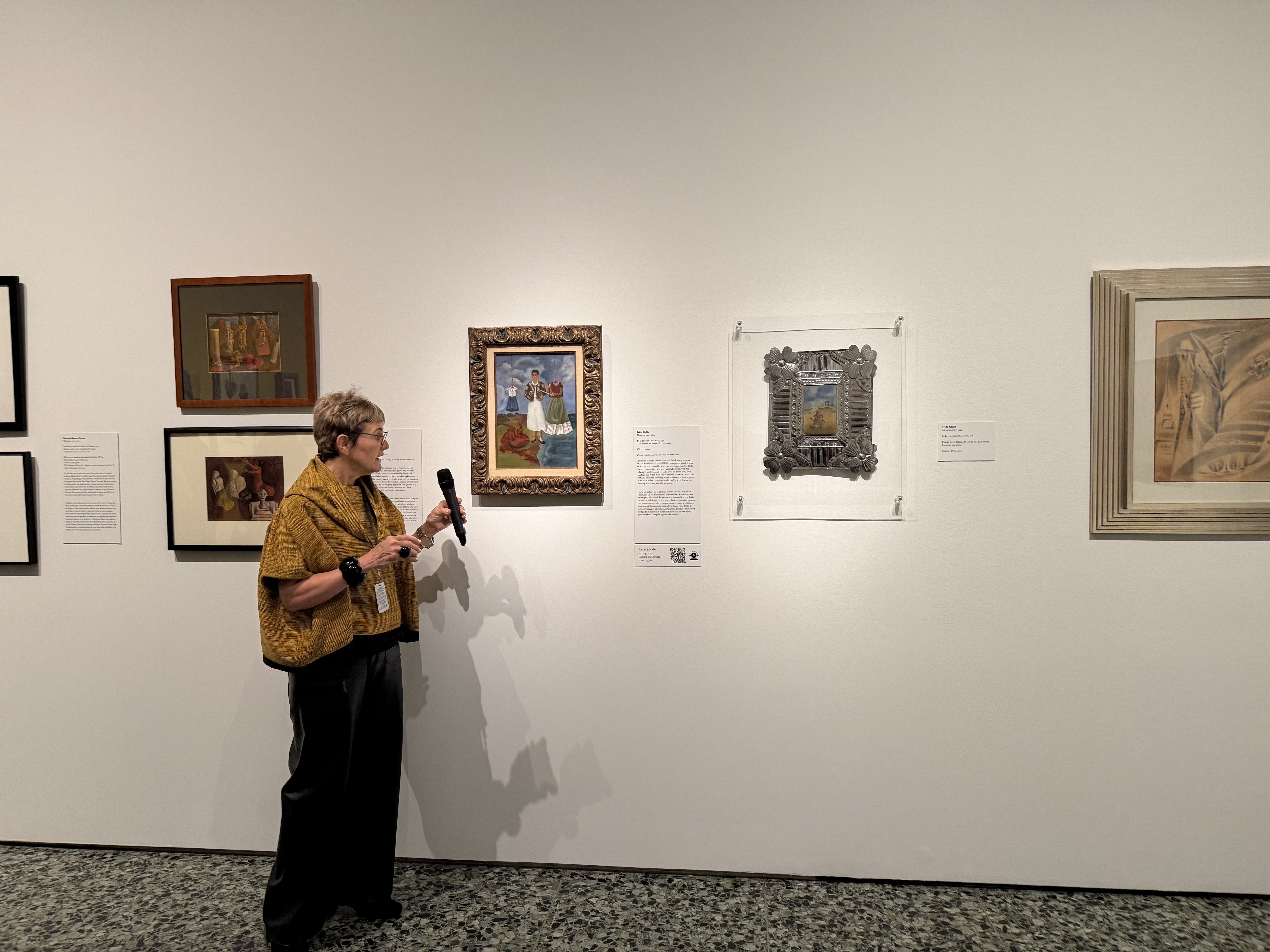
Behind the scenes: Securing Kahlo's work was no small task. Ramírez says demand for Kahlo exhibitions is constant, with collectors and institutions placing strict limits on loans.
- Several key works couldn't be secured, but partnerships — including one with Mexico City's Museo Dolores Olmedo — allowed the exhibition to assemble a concentration of her work in one place.
If you go: "Frida: The Making of an Icon" is on view Jan. 19–May 17.
- Afterward, it will travel to Tate Modern in London, where it will be on view from June 2026 through January 2027.