How local restaurant owners redirect surplus food across Metro Detroit
A message from: Chick-fil-A
More than 1.5 million Michiganders face hunger, or about 1 in 6 people across the state.
At the same time, food accounts for 19% of the material sent to Michigan landfills, creating an opportunity to redirect usable food toward communities that need it.
The story: Hunger is a year-round challenge that requires ongoing support — but local businesses can play a practical role in strengthening that network.
The idea: The Chick-fil-A Shared Table program helps redirect surplus food from restaurants to local nonprofits that can put it to good use.
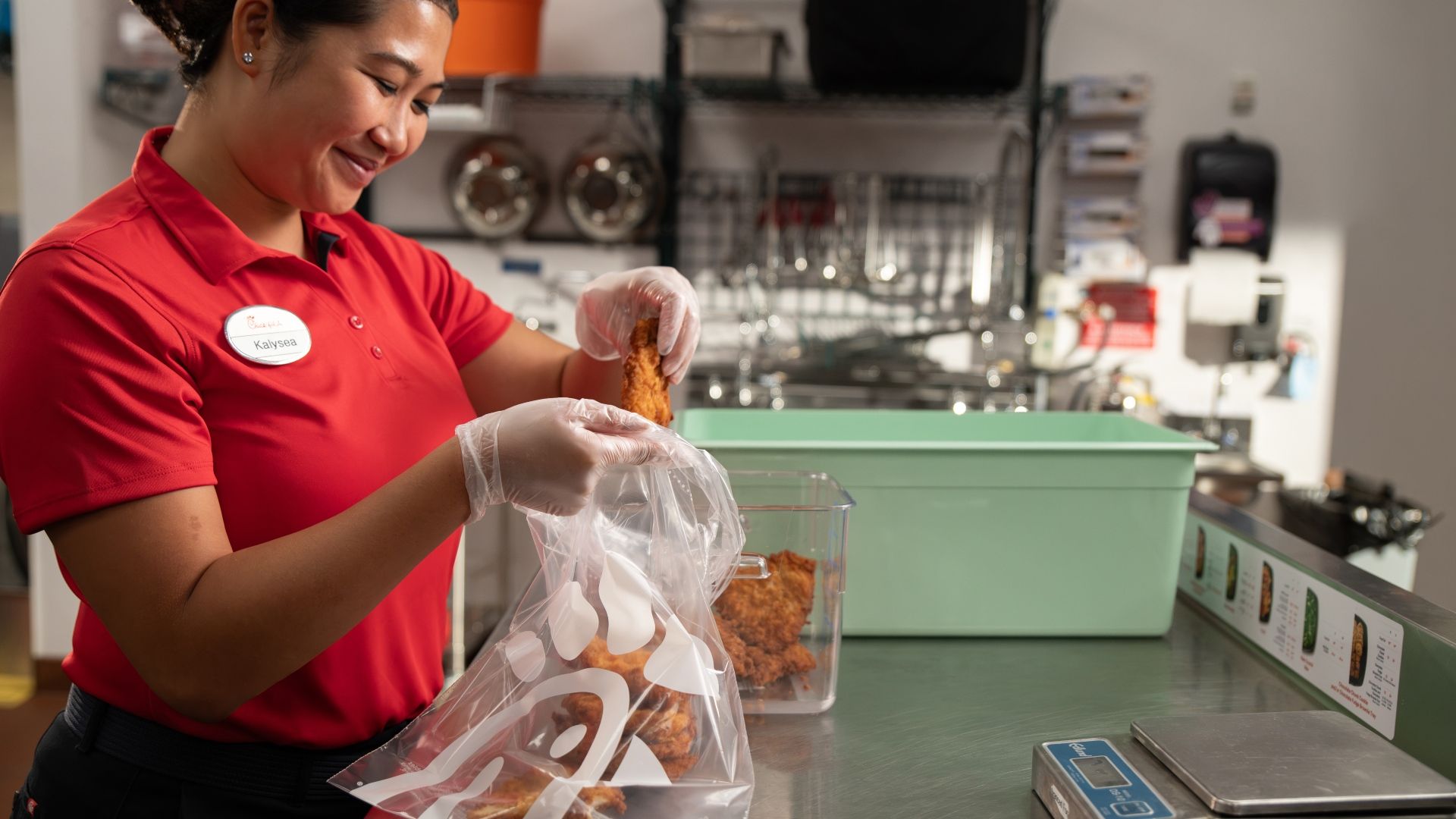
How it works: Participating Chick-fil-A restaurants package high-quality surplus food for nonprofit partners to incorporate into meals.
- Restaurants donate ingredients like chicken filets, chicken strips, biscuits, mac and cheese, fruit cups and salads.
Local nonprofit partners pick up the donated food and use it to help prepare meals for people experiencing food insecurity.
- For example, Macomb Residential Opportunities picks up food from local Owner-Operator Kacey Engstrom at Chick-fil-A Somerset Mall and Royal Oak.
- Those ingredients can then be used in dishes like chicken parmesan, breakfast casseroles, stir-fries and smoothies.
The strategy: Each restaurant contributes surplus food, with nonprofit partners across the community helping turn those donations into meals for neighbors in need.
The model gives restaurants a consistent process for redirecting usable food while giving nonprofit organizations ingredients they can incorporate into the meals they already prepare and distribute.
- Plus, because restaurants work with organizations located nearby, those donations can remain in the same communities where the food originated.
The local impact: All Metro Detroit Chick-fil-A restaurants participate in Shared Table.
- The program has helped create more than 236,000 meals for local neighbors in need.
- Nationwide, more than 2,700 Chick-fil-A restaurants work with local nonprofit organizations, with more than 90% of Chick-fil-A restaurants participating in Shared Table.
- Additionally, select restaurants participate in back-of-house composting, which helps divert organic food scraps from local landfills and turn them into nutrient-rich soil.
At each new restaurant opening, Chick-fil-A donates $25,000 to a local Feeding America Food Bank partner.
- In Detroit, that donation is split evenly between Gleaners Community Food Bank and Forgotten Harvest.
- Since the program began in 2020, Chick-fil-A has donated $237,500 to each organization — $475,000 total.
The takeaway: Shared Table gives Detroit-area Chick-fil-A restaurants one concrete way to contribute: recover prepared food that still has value, put it in the hands of nearby nonprofit partners and help those organizations turn it into meals.
During Hunger Action Month this September, Detroit-area Chick-fil-A restaurants are extending that work with a Chocolate Chunk Cookie fundraiser from Sept. 21 -28, with a portion of proceeds supporting Refettorio Detroit's efforts to address food insecurity.
- Shared Table partnerships have already helped create more than 236,000 meals locally while keeping surplus food moving toward neighbors who can use it.
Learn more about the Chick-fil-A Shared Table program and its work in local communities.