A historic hospital's legacy for Black health care

Add Axios as your preferred source to
see more of our stories on Google.
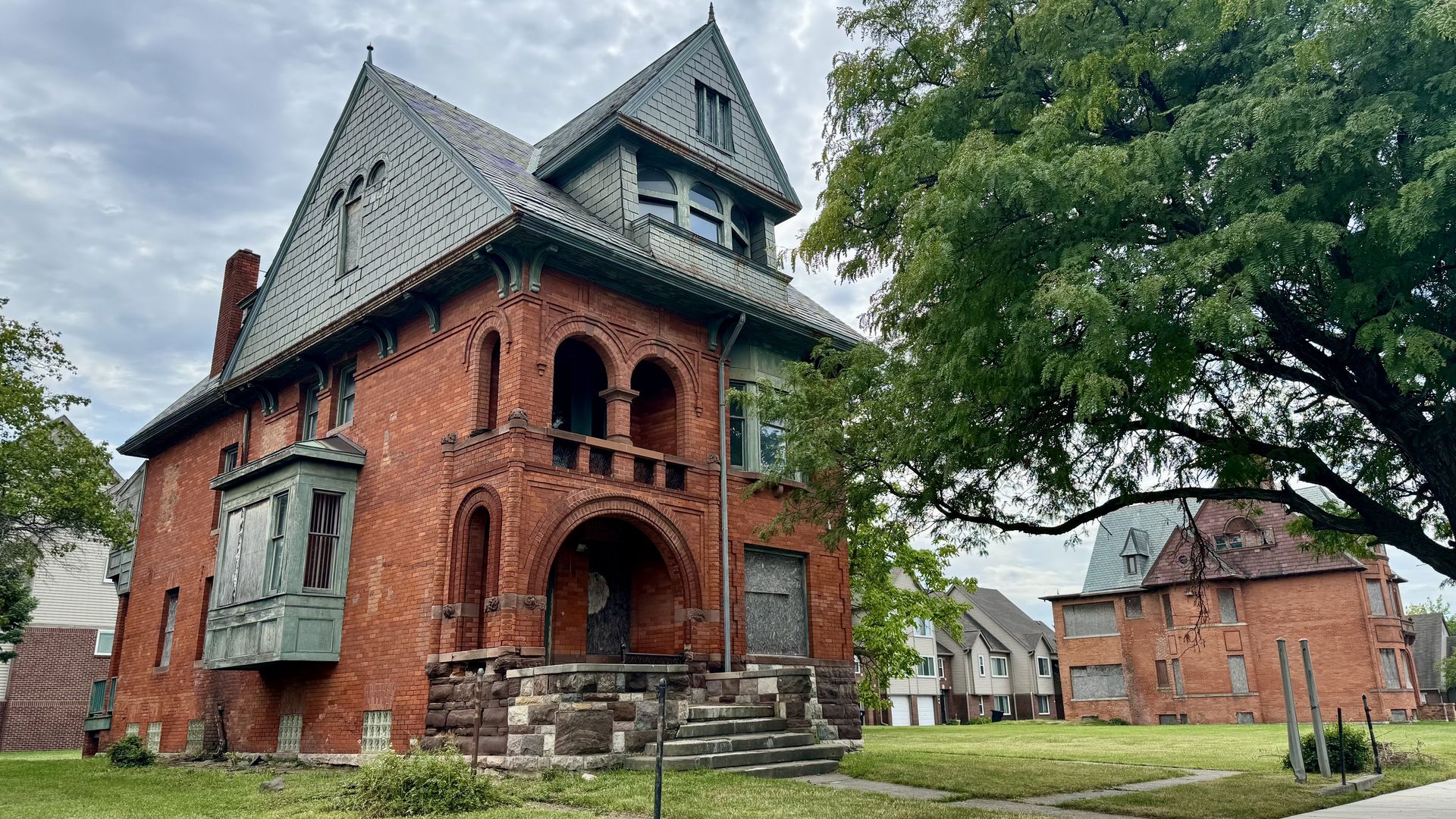
The former Dunbar Memorial Hospital at 580 Frederick St. Photos: Annalise Frank/Axios
Black doctors founded Dunbar Memorial Hospital in the late 1910s to tackle a glaring gap in medical care amid the Great Migration.
Why it matters: The building, designated as a historic site near Detroit's cultural center, is a physical reminder of how Black physicians built their own institutions to provide health care when patients were shut out of traditional care.
Flashback: Detroit's Black population climbed from 6,000 in 1910 to 120,000 in 1930, as millions of African Americans moved from the South to the North and Midwest to leave racial violence behind, find work and build new lives.
New residents needed housing and health care, but housing discrimination restricted where Black residents could live. Meanwhile, many white hospitals excluded Black patients and Black doctors were denied internships and advancement, as written in The Conversation.
- Housing exclusion led to overcrowding and poor infrastructure, which led to disease.
- Discrimination in the medical system led to poor care and worsening health.
To help meet these great needs, 30 Black doctors and medical professionals formed the Allied Medical Society and founded Dunbar.
- Medical professions were some of the most segregated of the time, leading to physicians organizing their own institutions.
Zoom in: The building, before it housed Detroit's first hospital for Black residents, was built as a home in the Romanesque Revival style.
- The hospital provided inpatient and outpatient care, as well as preventive care, education and nurse training.
- The goal was to treat patients with dignity amid widespread discrimination.
Case in point: Dr. Ossian Sweet, a historically significant figure in a landmark 1925 civil rights case, practiced at Dunbar.
- The connection was referenced in an illustrated book about Sweet by Daniel Baxter, founder of the Dr. Ossian H. Sweet Foundation.
- The Dunbar home — now vacant — was also recently featured on a local Instagram history blog.
Context: Dunbar moved in the late 1920s to another building for more space, per the African American Registry.
- The original building was later purchased by Charles Diggs Sr., who went on to be the state's first Black Democratic state senator.
State of play: The Detroit Medical Society, successor of Allied, bought the house in the 1970s. It currently owns it, per city records.
- The society's board declined to comment for this story.
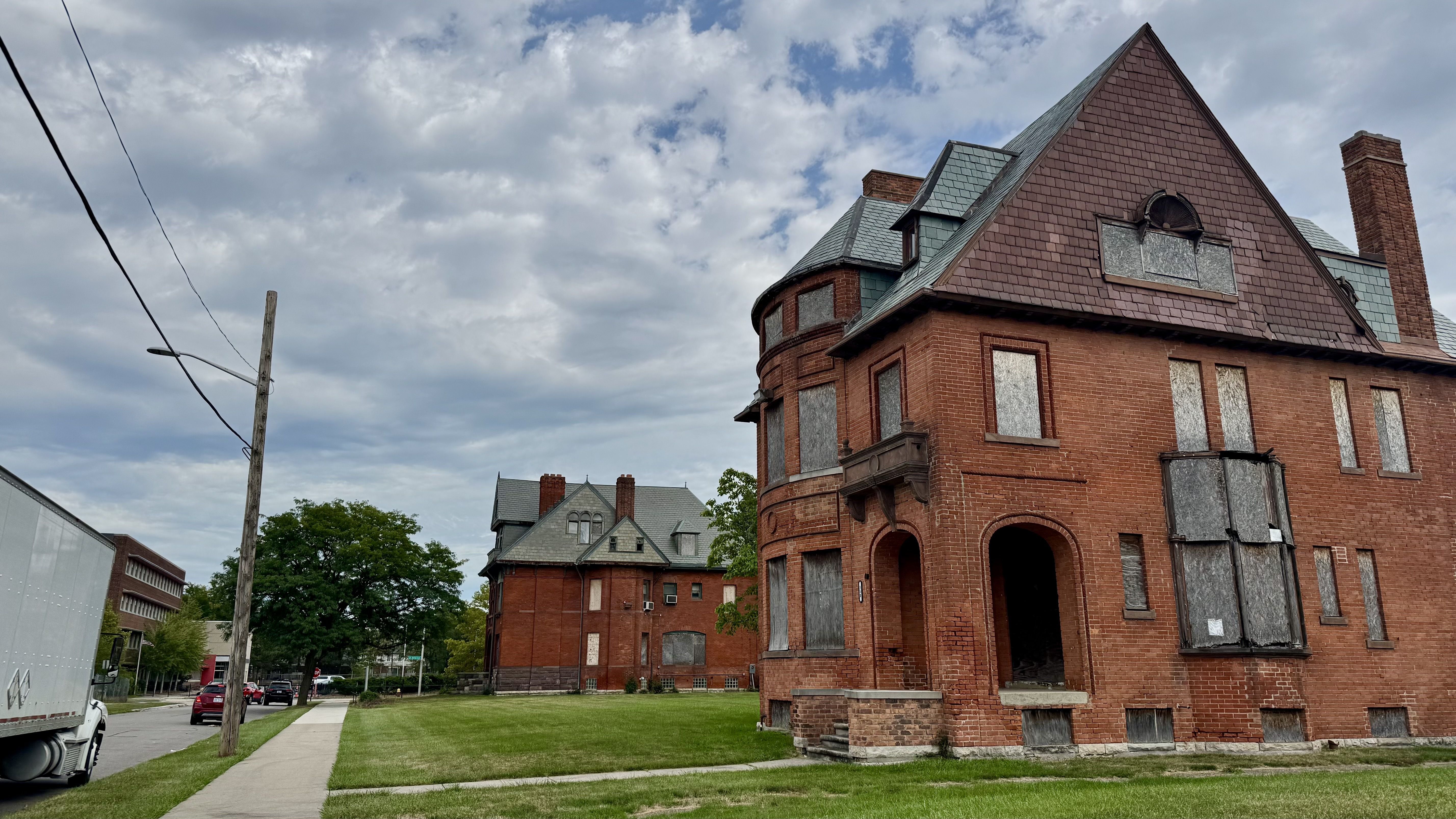
Zoom out: The former Dunbar building at 580 Frederick St. is part of the larger East Frederick Avenue Historic District, commemorating past enterprises important to the city's African American history.
- The district also includes nearby 544 Frederick St., a Victorian building — also currently vacant — that housed the former Bertha Hansbury Music School, which opened in 1925.