What Michigan primary voters need to know


Add Axios as your preferred source to
see more of our stories on Google.

Illustration: Aïda Amer/Axios
It's primary season and voters only have a few weeks left before the election.
Why it matters: The Aug. 4 primary will determine which Democratic and Republican candidates advance to November's general election.
State of play: Michigan voters will cast ballots in high-profile races for governor, U.S. Senate, Congress, local offices and ballot measures on transit, taxes and more.
📍 Detroit voters: Visit detroitvotes.org for early voting locations, hours, sample ballots, registration information and other election resources.
🌐 Outside Detroit? Use the Michigan Voter Information Center to check your registration, polling place, sample ballot and local election information.
🕘 Early voting: Early in-person voting begins July 25 statewide, though some communities may offer additional days. Check with your local clerk for locations and hours.
- Detroit's hosting an early voting block party from 9am–5pm on the 25th at 2978 W. Grand Blvd.
✉️ Voting absentee? Return your completed ballot as early as possible. If you're cutting it close, use an official ballot drop box or hand-deliver it to your clerk instead of relying on the mail.
🪪 Need to register? Michigan allows same-day voter registration through Election Day at your local clerk's office with proof of residency.
Yes, but: Your ballot depends on where you live. Along with statewide races, many communities also have local candidates and ballot questions.
- Check your sample ballot before heading to the polls to avoid surprises.
Weighing Whitmer's replacement
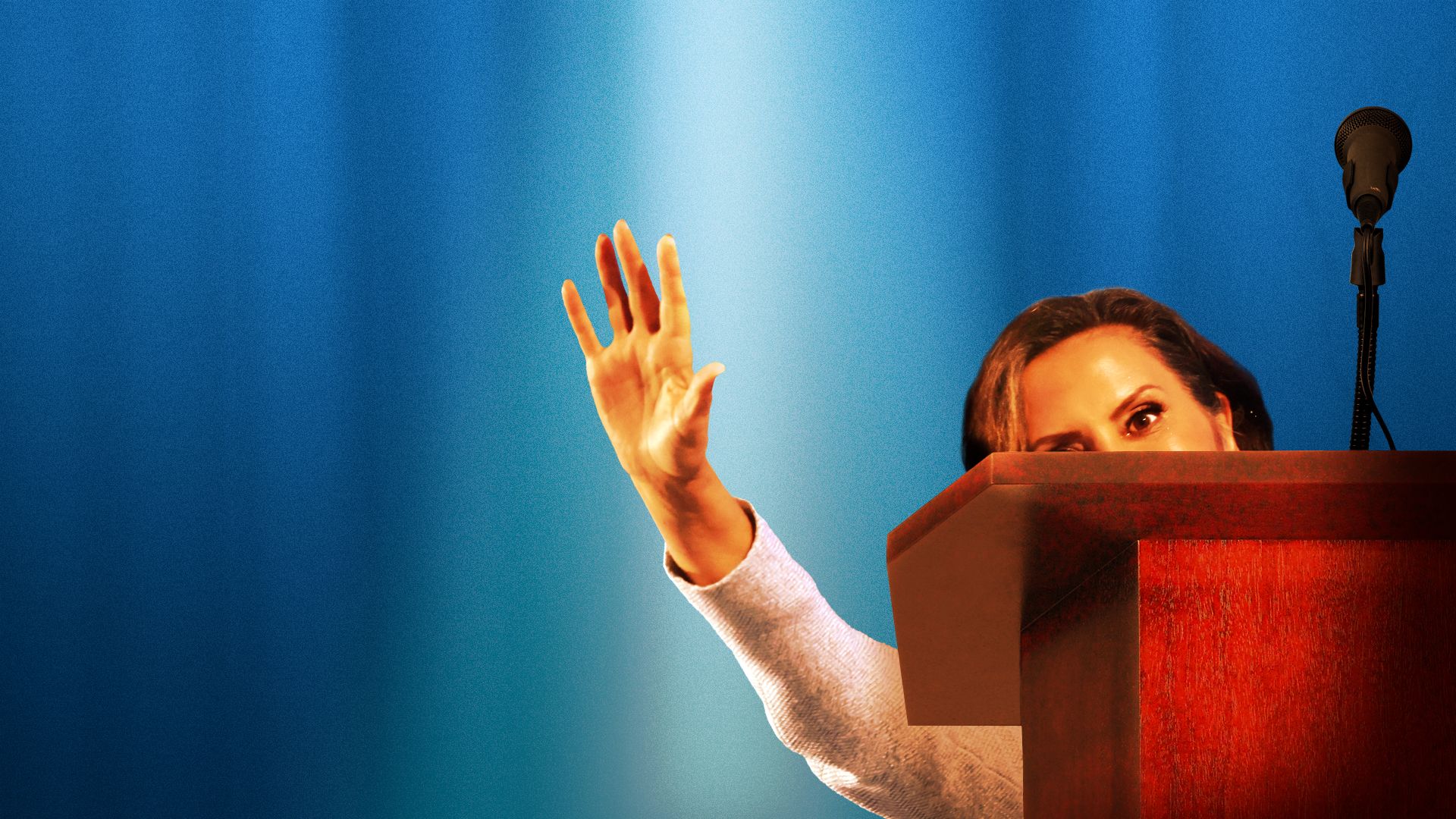
Michigan's race to replace term-limited Gov. Gretchen Whitmer begins with Republican and Democratic primaries on Aug. 4.
Between the lines: The Republican primary narrowed to two candidates after Mike Cox suspended his campaign Friday and endorsed John James. Democrats are choosing between two candidates with sharply different résumés.
Republicans
John James: The Shelby Township congressman and two-time U.S. Senate nominee is the race's front-runner, running on conservative priorities, including public safety, immigration and cutting government spending. President Trump has endorsed him.
Perry Johnson: The businessman pitches himself as a political outsider who would bring a CEO's approach to state government.
Democrats
Jocelyn Benson: The secretary of state gained national prominence for defending Michigan's elections against Trump. Her campaign has focused on lowering costs, improving government and protecting rights.
Chris Swanson: The Genesee County sheriff is running as a political outsider, arguing his law enforcement and executive experience makes him uniquely qualified to lead the state.
The Democratic divide
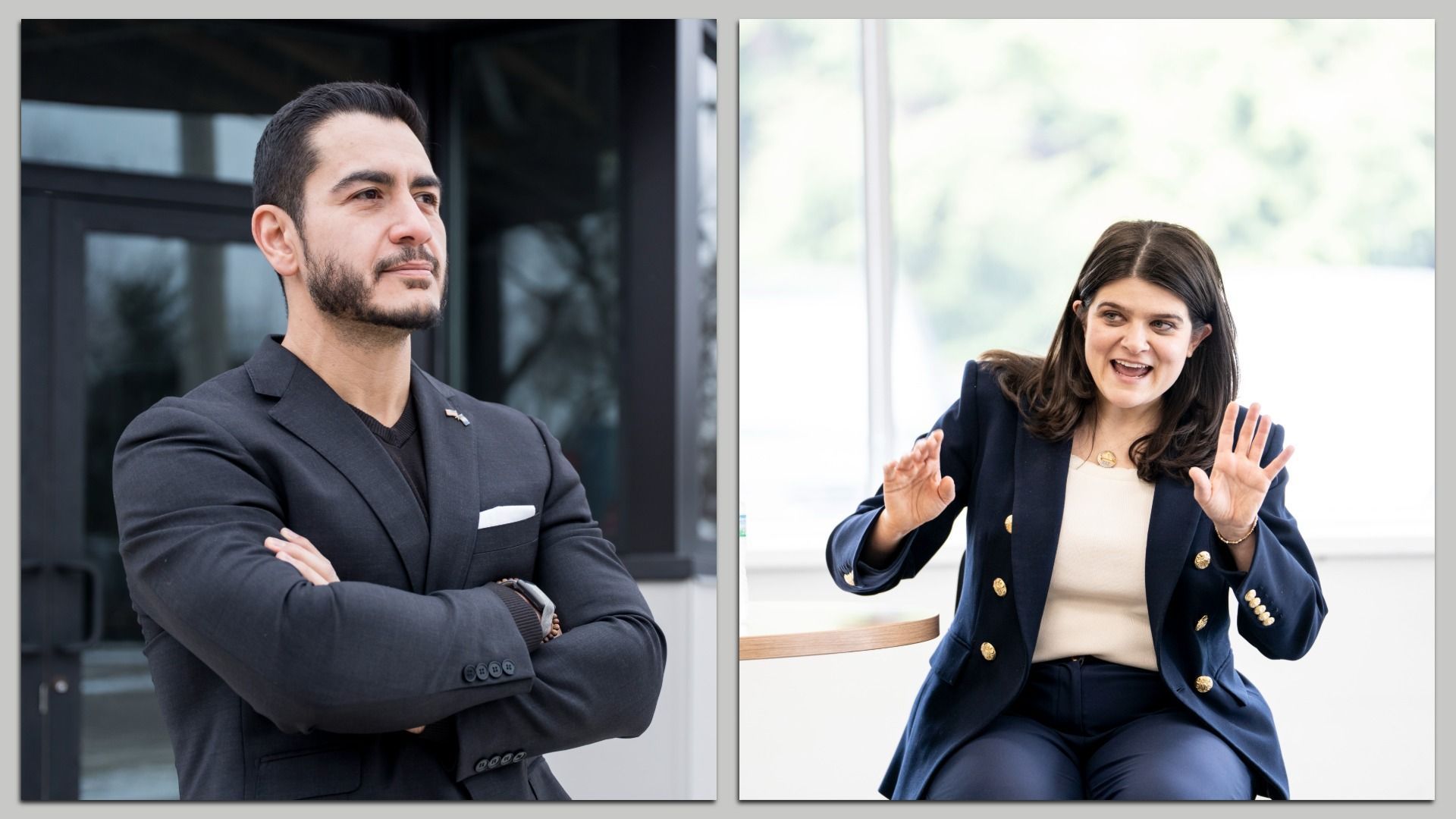
Michigan's U.S. Senate primary presents a choice between two competing visions for the Democratic Party.
Why it matters: The primary is only the first hurdle. Michigan has one of the country's most consequential Senate races, with control of the chamber at stake.
State of play: U.S. Rep. Haley Stevens has consolidated support from Democratic establishment leaders, while former Wayne County health director Abdul El-Sayed has rallied a progressive grassroots coalition.
- The winner will likely face Republican Mike Rogers in November.
Zoom in:
- Stevens, a fourth-term congresswoman from Oakland County, has centered her campaign on manufacturing and electability. She argues her experience and record of winning competitive elections make her the strongest general election candidate.
- El-Sayed, who earned a medical degree, previously ran for governor and served as Wayne County's health director, has never held elected office. He's rolled out a progressive platform that includes Medicare for All, campaign finance reform and abolishing ICE, arguing Democrats need a bolder message to energize voters and defeat Republicans.
More differences between the candidates
Wayne County transit ballot issue
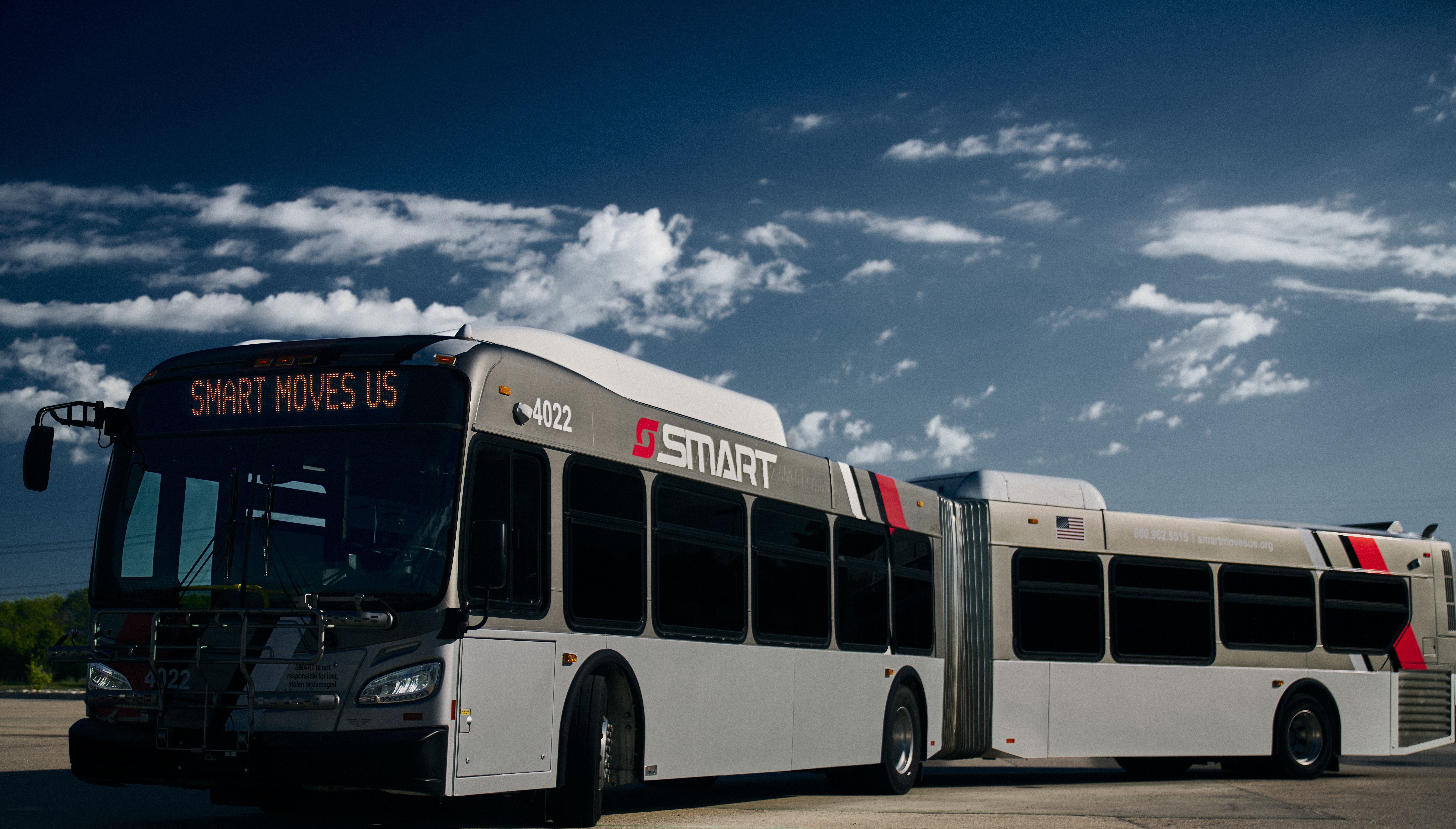
Wayne County residents will see a public transit proposal on their ballots: Should a millage be levied to provide more bus service across the county?
Why it matters: Advocates want to expand patchwork bus routes that don't cover all of Wayne County, leaving gaps in service for the more than 300,000 county residents who don't or can't drive, per nonprofit Transportation Riders United director Megan Owens.
Friction point: Supporters of the proposal include Wayne County Executive Warren Evans, the Detroit Regional Chamber and City Council President James Tate.
- Opponents argue buses don't have enough riders and aren't worth the tax burden.
- A judge dismissed a lawsuit brought by critics alleging that the process getting the millage on the ballot lacked transparency, per the Free Press.
By the numbers: The rate for this property tax would be 0.98 mills, or about $8 a month for a homeowner whose home is worth approximately $200,000 (or a taxable value of $100,000).
- It would last 10 years starting with the 2026 tax year.
Zoom in: The millage is a renewal — not an increase — for communities that already have SMART regional bus service, like Dearborn and Grosse Pointe.
- But it would increase property taxes for 17 communities that opted out of the service, including Livonia and Northville.
- Detroit opted out because it operates its own bus system, which works with SMART. Money raised from the millage in Detroit will go to city transit services.
How it would work: The Wayne County Transit Authority would oversee the expansion with new and longer bus routes, operated mostly by SMART. Sparsely populated areas in southwest Wayne County would get low-cost on-demand service like a taxi.
- The millage would also provide more door-to-door transit for seniors and riders with disabilities.
Go deeper: Read the proposal … Read the Freep's list of which cities opted out
Other races
🏛️ Congress: U.S. Rep. Shri Thanedar faces one of the state's most closely watched House primaries as challengers, led by State Rep. Donavan McKinney, attempt to unseat the incumbent Detroit Democrat. (BridgeDetroit)
🏫 Detroit schools: Proposal S would shift an existing school operating millage to the city's public school district. It isn't a new tax, but the district could eventually face a budget deficit if it fails. (Chalkbeat Detroit)
🌎 Everything else: Planet Detroit's searchable voter guide lets readers enter their address to see every race and candidate.