Podcast explores Detroit's history of Black Catholic activism

Add Axios as your preferred source to
see more of our stories on Google.
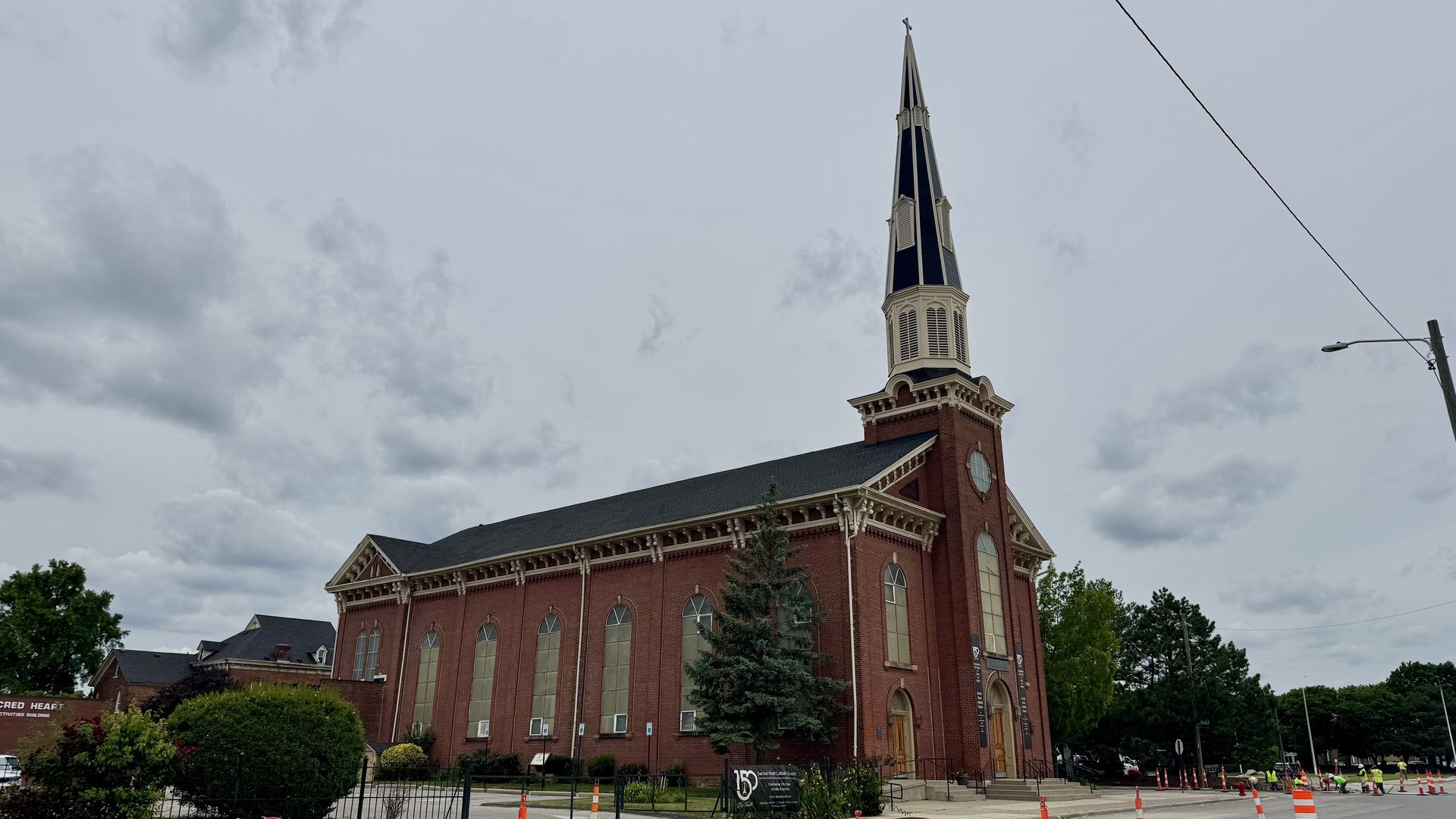
Sacred Heart Church, described as the "mother church" of Black Catholics, in Detroit near Eastern Market. Photo: Annalise Frank/Axios
A local journalist's new longform podcast examines Detroit's history as a proving ground for the influential Black Catholic movement.
Why it matters: This little-known civil rights story details the Black Catholic community's fight to preserve its churches and identity, while involving broader Detroit trends of white flight and deindustrialization.
Driving the news: Commonweal Magazine is publishing Detroit native Aaron Robertson's three-part series, "The City and the Cross." The final episode releases Wednesday.
Flashback: Black Catholics built vibrant communities in Detroit through much of the 20th century, incorporating cultural traditions like gospel and jazz music, Robertson reports.
- Activists fought for the Catholic Church to recognize Black leadership.
- In 1968, the National Black Catholic Clergy Caucus declared at a meeting in Detroit that the Catholic Church was "primarily a white racist institution," per Commonweal. The timing was soon after Martin Luther King Jr.'s assassination.
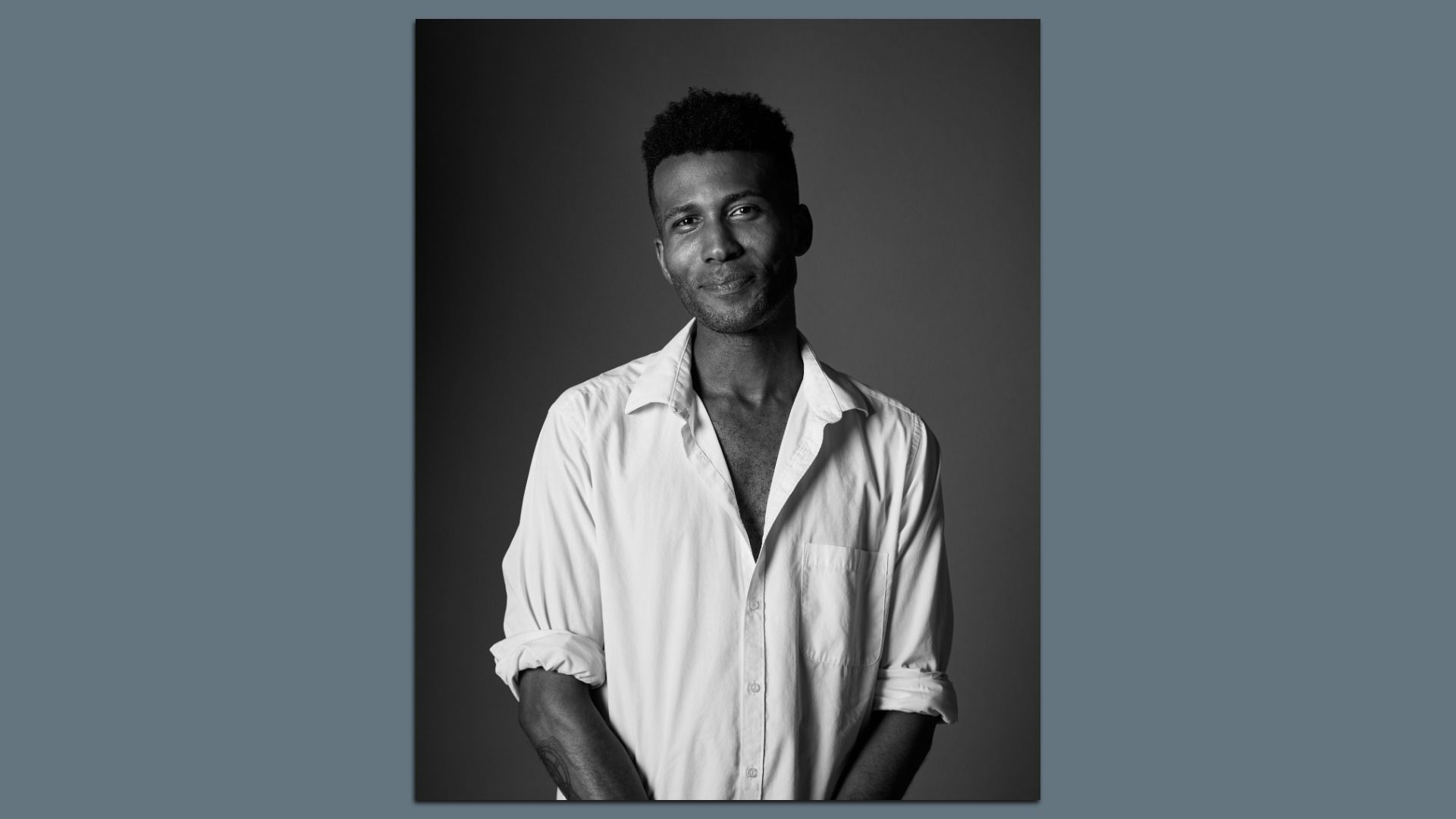
The podcast delves into the Church's modernization efforts. In one historical turning point, a coalition protested late-1980s Archdiocese of Detroit closures that hit Black Catholic churches the hardest.
- The third episode will catch listeners up to the present day, as the Archdiocese undergoes another overhaul.
By the numbers: There are currently around 20 churches in the metro under the Archdiocese of Detroit with a significant Black Catholic population.
- As of 1981, the Archdiocese of Detroit's region covered 1.6 million Catholics, about 33,000 of them Black, per Catholic University of America Press data cited by Robertson.
What he did: Robertson dug into archives and interviewed dozens of people to bring a detail-rich story to life — including parishioners, organizers, church leaders and musicians.
Zoom in: Robertson tells Axios his fascination with the topic stems partly from his experience growing up Protestant and curiosity about what drew African Americans to Catholicism.
- He came across a Black priest's memoir in 2019 that he calls a "searing indictment of the Catholic Church."
- Reading archives, he became interested in the lonely experiences Black priests described. He also found letters from local parishioners pleading for their churches to stay open.
What they're saying: "It's a sort of quintessential Detroit story, because you're learning about demographic change, you're learning about white flight and declining religious affiliation," Robertson says.
- "All of that was related to previous work I had done about the relationship between Black Americans and sacred life, generally."
What's next: Robertson, on a year-long fellowship with Commonweal, is also working on a fictional novel set during the 1980s parish closures.