Detroit seeks fix for unreliable bus tracking

Add Axios as your preferred source to
see more of our stories on Google.
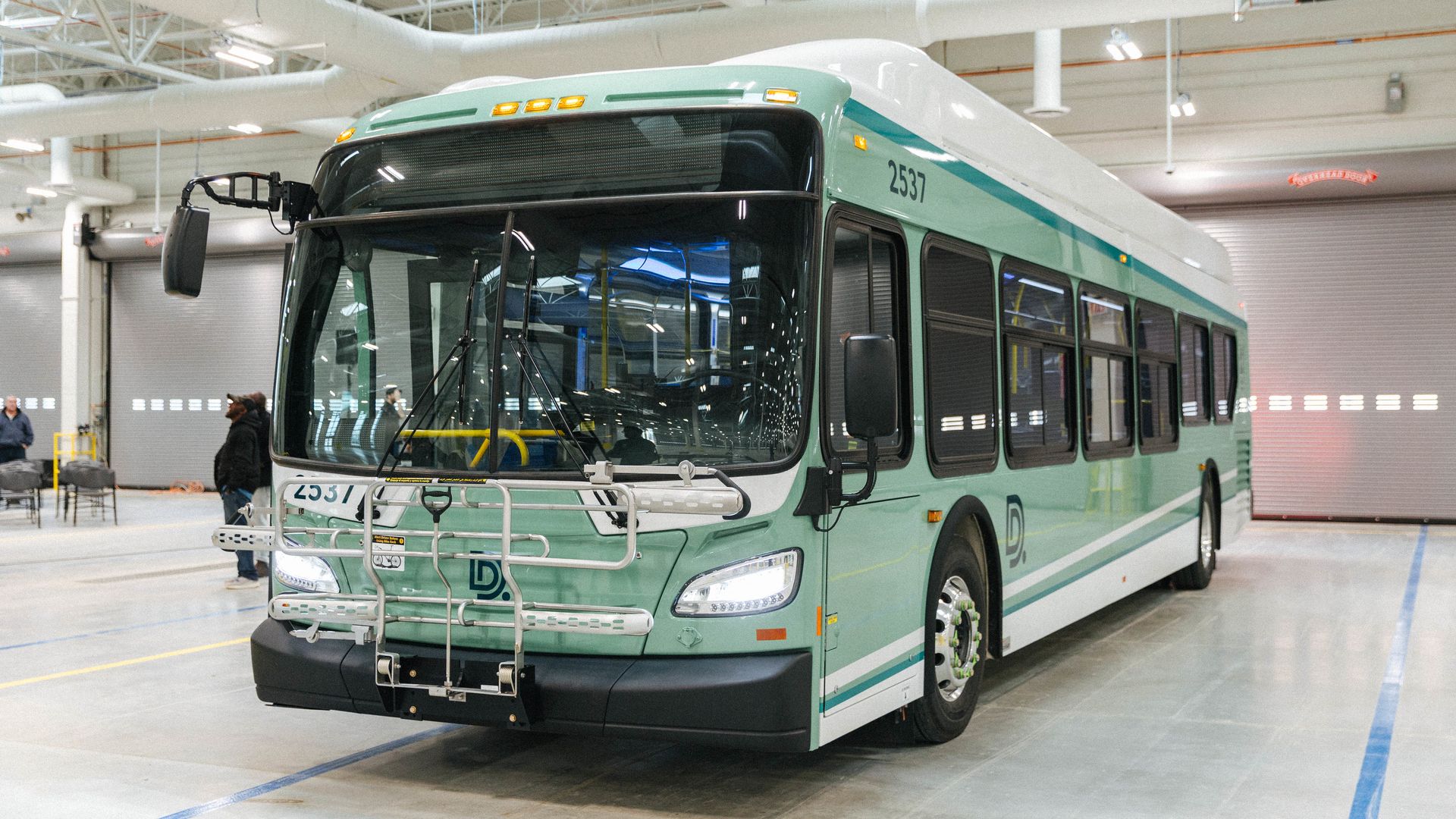
A Detroit Department of Transportation bus. Photo: Courtesy of the City of Detroit via Flickr
Detroit's transit leaders aim to improve a key lagging metric: real-time tracking for riders, who sometimes can't tell when the bus will show up.
Why it matters: The new mayor's administration sees transit upgrades as key to growing the city's population and improving poverty outcomes.
Driving the news: Officials and City Council discussed Mayor Mary Sheffield's proposed budget for public transit Monday and will vote on the overall budget in early April.
State of play: City public transit involves the Detroit Department of Transportation (DDOT) bus system and the downtown-looping People Mover. The QLine is operated separately by the Regional Transit Authority of Southeast Michigan.
- Sheffield is proposing a $29 million increase for the bus system to a total of $238 million, mostly to raise drivers' and engineers' pay.
- The proposal also includes $2 million to expand transit for riders with disabilities, job development for maintenance workers, and free ridership for K-12 students.
Zoom in: DDOT has gotten recent feedback that real-time tracking information on apps showing where buses are and when they're arriving is "less and less reliable," executive director of transit Robert Cramer told City Council.
- "We're working with a partner that People Mover and SMART [regional buses] and formerly the QLine used that can increase the accuracy of the real-time predictions and tracking."
Plus, DDOT is building 100 more shelters and replacing cloth seats with plastic, which is more hygienic, Cramer said.
- It'll also pilot en route bus cleaning from March to April, including testing odor neutralization.
Context: Advocacy nonprofit Transportation Riders United wants to see bus service doubled by 2030, writing in a recent blog post that "Detroit still has less bus service than we had pre-pandemic."
- An open letter from activists hopes to see Sheffield's campaign goals of 10-minute frequencies on highly used routes and overall shorter wait times realized.
- About 36% of residents qualify as transportation insecure, double the national rate of 17%, per U of M research reported by Planet Detroit.
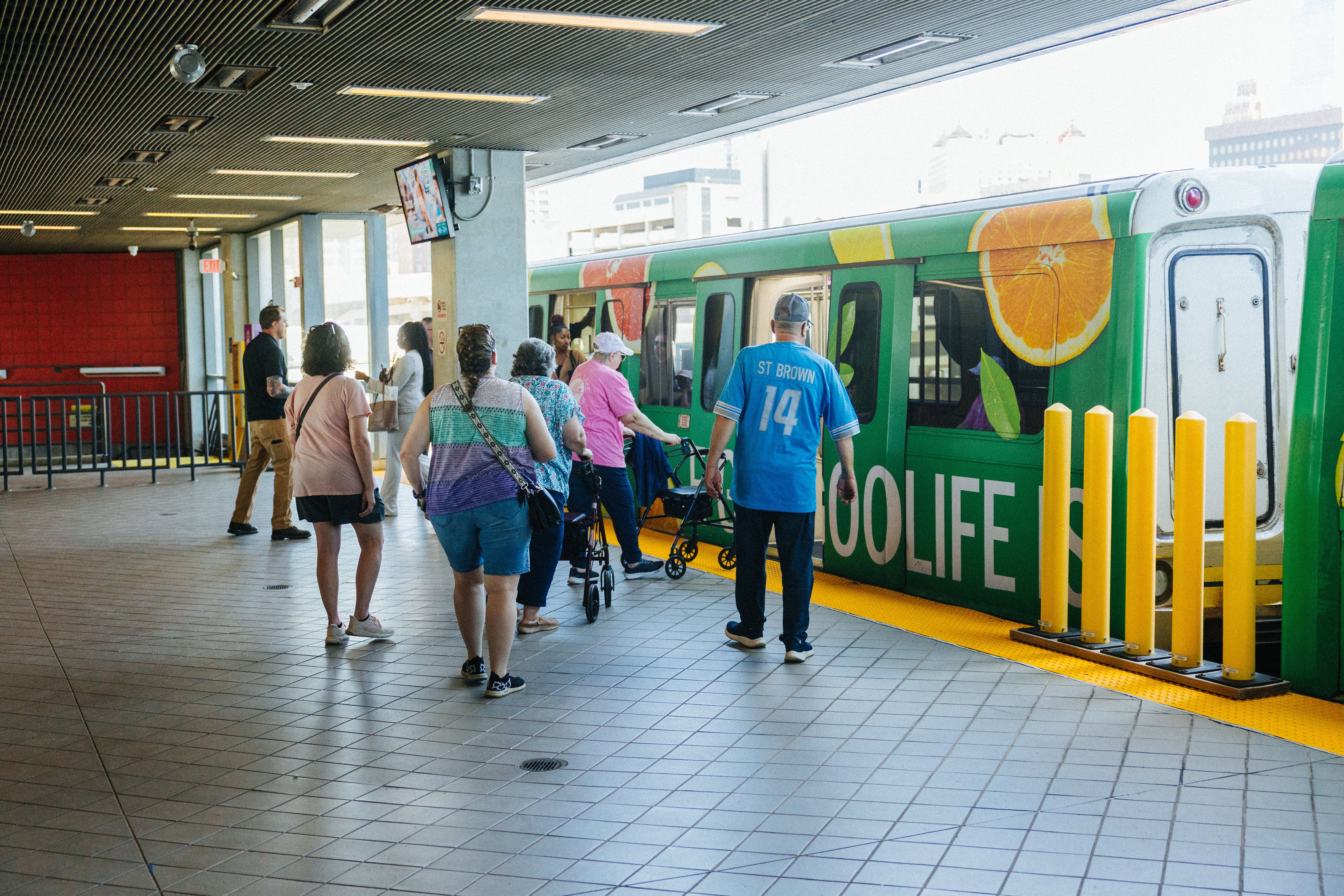
Meanwhile, the 40-year-old People Mover has been a star of late. It became free in 2024, and 13 curved rail sections were replaced in the last couple years. Upgrades for riders with disabilities are expected soon, per budget discussions.
- The People Mover is looking into the potential for expansion, though that would be a costly endeavor. A study is slated to finish this summer.
Go deeper: Dig into Sheffield's proposed 2026-27 fiscal-year budget and four-year financial plan.
Editor's note: This story has been corrected to reflect the QLine is operated by the Regional Transit Authority of Southeast Michigan (not a nonprofit, as it once was).