OpenAI data center planned near Ann Arbor

Add Axios as your preferred source to
see more of our stories on Google.
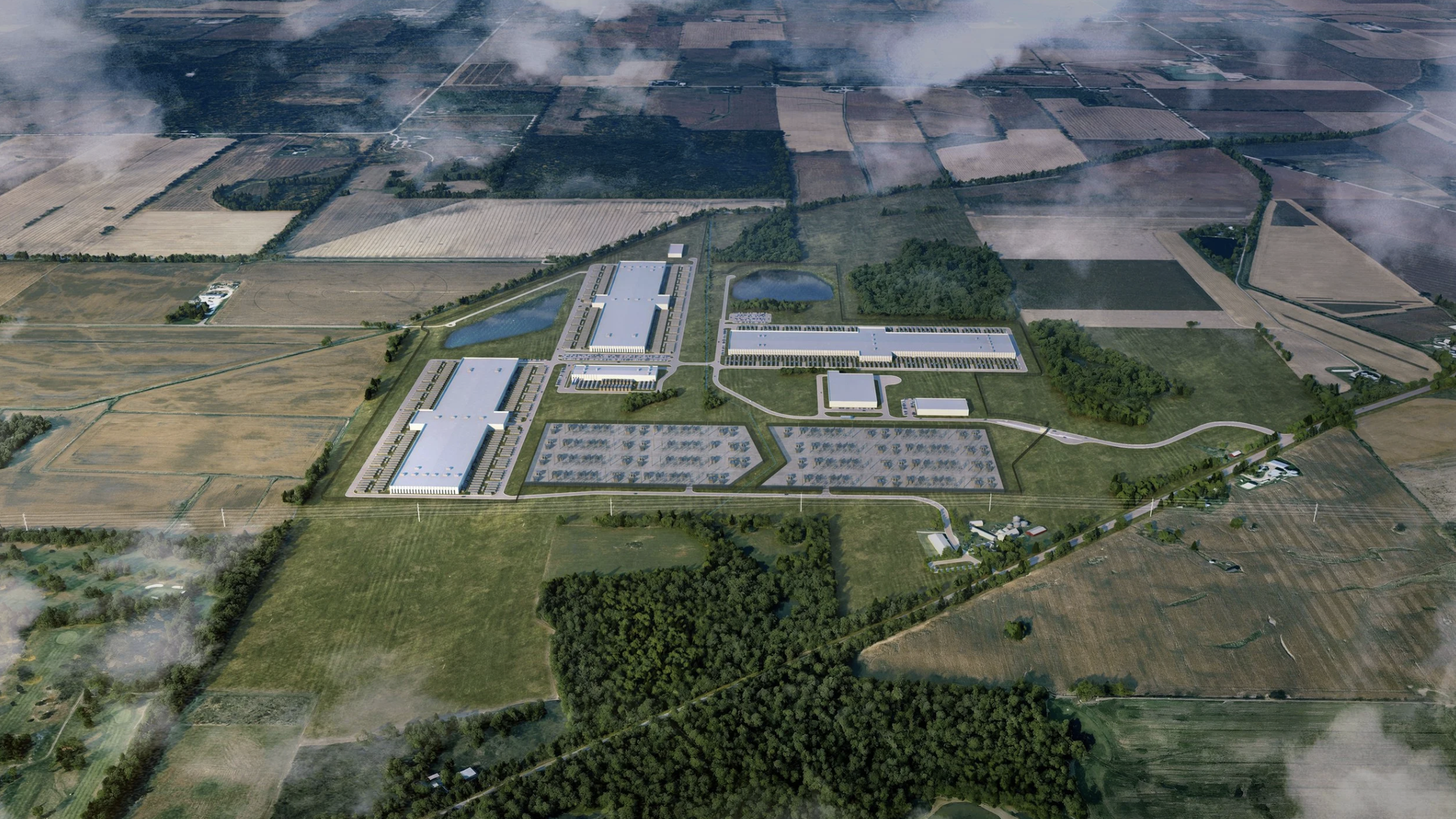
A rendering of the data center site. Courtesy of Related Digital
ChatGPT creator OpenAI and partners are developing a huge data center complex in Washtenaw County's Saline Township.
Why it matters: Data centers power the AI boom reshaping the Midwest, straining energy systems and consuming millions of gallons of water while offering unclear benefits for local communities.
- These facilities, which house computer systems, servers and storage infrastructure, can bring temporary jobs and property tax revenue.
State of play: The project is slated to start construction early next year, according to a news release, creating 2,500 construction jobs and 450 onsite jobs. It entails three 550,000-square-foot single-story buildings, and per the Wall Street Journal, is set to cost more than $7 billion.
- It's part of OpenAI's work with tech giant Oracle to create more capacity for power-hungry AI systems.
Between the lines: Detroit-based DTE Energy will supply the project's power, including using new battery storage financed by the project. DTE maintains in the news release that it won't impact existing customers.
- Michigan legislation lowering the cost of building AI infrastructure factored into the decision to place the project here, per Gov. Gretchen Whitmer, whose office calls the project "the largest one-time investment in state history."
- Whitmer's office adds that the project will use a "closed loop water system that will not require any additional water from our Great Lakes."
The intrigue: The Saline project's developer, Related Digital, is a subsidiary of Related Cos., the firm founded by Detroit-born billionaire Stephen Ross.
- Ross doesn't have formal involvement with Related Digital, per Crain's.
By the numbers: Data centers used 4.4% of U.S. electricity in 2023 and could consume up to 12% by 2028, per the U.S. Department of Energy.
- Data center construction is at an all-time high, increasing 69% year over year from 2023 to 2024, per CBRE, a commercial real estate firm.