How Detroit's mayoral candidates would address poverty

Add Axios as your preferred source to
see more of our stories on Google.

Illustration: Sarah Grillo / Axios
Voters will soon decide who will lead an effort over the next four years to lift Detroiters' earnings and reduce poverty.
Why it matters: Detroit residents' incomes have made significant gains over the last decade, but the poverty rate still climbed in the last year.
- The candidates in the Nov. 4 race, the Rev. Solomon Kinloch Jr. and City Council President Mary Sheffield, have differing strategies to achieve progress.
Caveat: There's only so much a mayor can do to influence wages, with federal policies and the labor market beyond reach.
- Plus, state law bars Michigan localities from instituting citywide rules on the minimum wage, paid leave or fringe benefits.
Yes, but: The candidates say they can still help residents' financial standing by supporting them in various aspects of life — though they'll need funding to do so.
- We've reviewed interviews, campaign statements and written plans to summarize some major aspects of their poverty platforms:
Sheffield: Education's the key
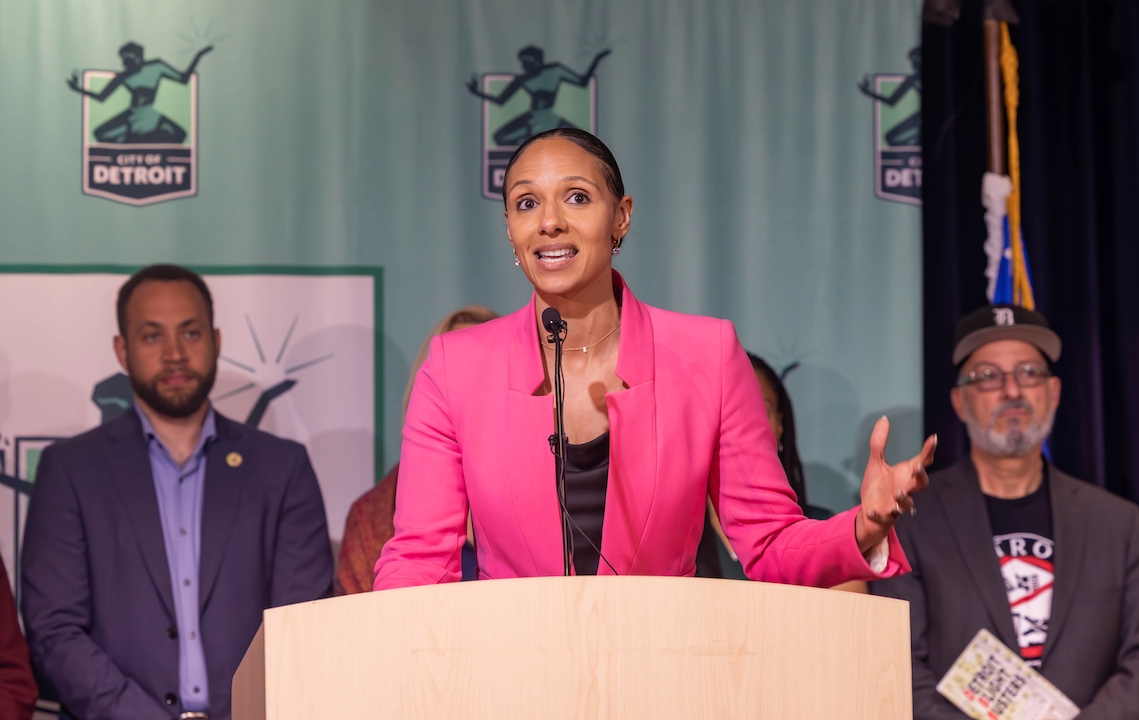
"When we talk about creating upward mobility, education is the key," Sheffield tells Axios. "We have to directly invest more in youth programming, opportunities to educate and prepare our residents for the jobs of today and tomorrow."
- There is no "silver bullet" for poverty, according to Sheffield — the city has made progress, but she wants a "unified, whole-government approach" to accomplish more.
Education: Sheffield would partner with the public school district on city services that help keep kids in school and reduce high absentee rates.
- Priorities include investing in early-age options before kindergarten, and creating more programming from pre-K through career readiness, like the Marygrove Conservancy's "cradle to career" strategy.
Jobs: Sheffield wants more local employers to pay livable wages, and would encourage and incentivize those who pay well and provide benefits.
- "The mayor's office has a key role in setting that tone and that culture," she says.
- She'd also partner with trade schools and expand city-led workforce training.
Safety net: Detroit should focus more on delivering social services to vulnerable residents, Sheffield says.
- She'd open an Office of Human, Homeless and Family Services focusing on workforce development, affordable child care and mental health services.
Improving housing: Securing safe, affordable housing for families is one method of improving financial standing. Sheffield's platform aims to tackle the affordable housing gap while establishing an Office of Homeownership and Housing Rights.
- Goals include assisting with the costs of homeownership through funding more repairs, expanding down payment assistance and lowering property taxes.
Kinloch: Centering forgotten families
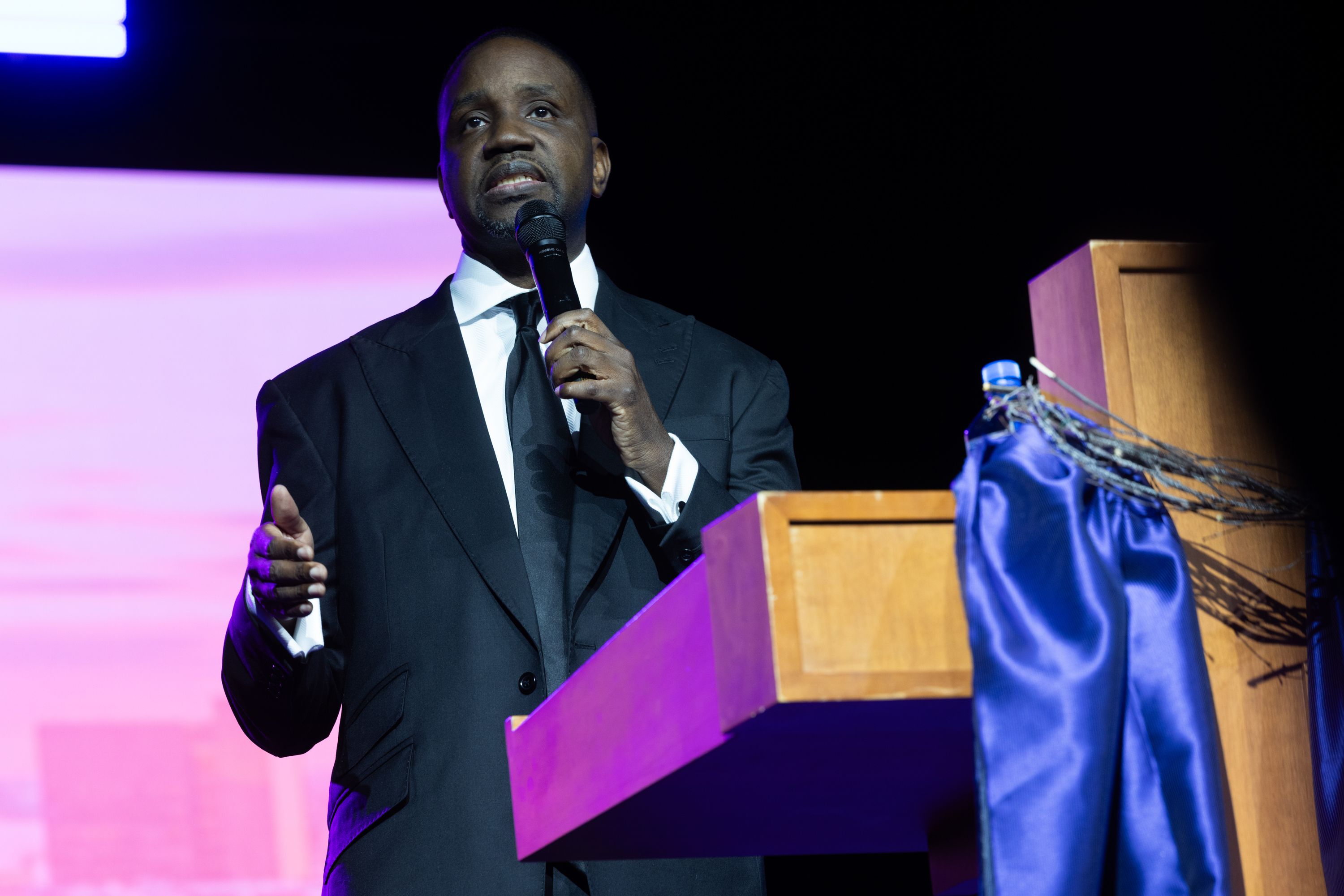
"I know what it feels like to be in a city where everybody is suggesting that the city is on the verge of a renaissance … yet it hasn't made it to your neighborhood," Kinloch said at a recent town hall.
- Kinloch's Promise Plan would tackle the cycle of poverty, centering on working families that have been "forgotten," per his campaign.
Education: Kinloch would appoint a chief educational officer to partner with the public school district and tackle social issues that keep kids from showing up healthy and able.
Jobs: A "hire local" initiative would offer tax incentives to employers giving Detroiters livable wage jobs. Companies seeking business with the city could get additional points toward their bids for paying livable wages.
- He'd emphasize apprenticeships, job training and pathways for children, and a new Department of Opportunity and Empowerment would streamline financial assistance programs.
- Kinloch wants to ensure unions representing city workers are able to secure fair contracts more quickly than the city currently does.
Improving housing: Kinloch's administration would focus on building and rehabbing thousands of affordable homes, offering major down payment assistance and home repair grants and loans.
- He'd also explore home renovation paired with homebuilding job skills training.
Kinloch also critiqued Sheffield, saying she has had 12 years on City Council to make more progress. "You've got legislative power right now," he said.
- Sheffield in her own town hall discussed a list of council accomplishments and distinguished between government branches' abilities, a BridgeDetroit reporter pointed out on X.
What's next: Look for more coverage in this series on poverty and the mayor's race, focusing on lessons learned from experts.