Detroit's horrorcore pioneer Esham

Add Axios as your preferred source to
see more of our stories on Google.
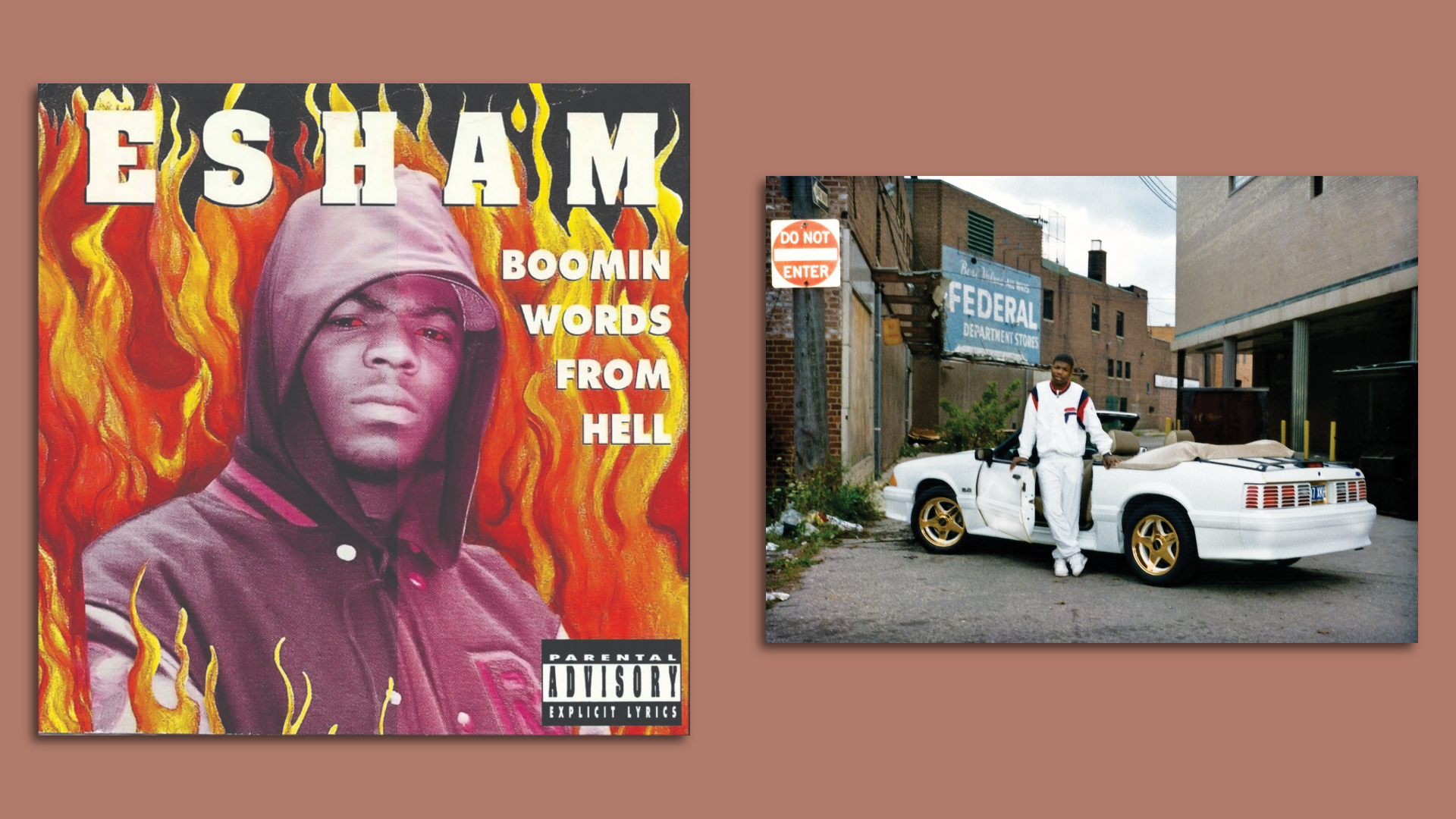
Esham's "Boomin' Words From Hell" album; Esham in 1998 at Seven Mile and Gratiot. Photos: Courtesy of Esham and Reel Life Productions.
As a teen in Detroit, an originator of a dark hip-hop subgenre left an imprint on the music industry.
Why it matters: Esham Smith's music is known for its intensity, which ruminates on subjects like death, drugs, and good and evil. Call it horrorcore or acid rap; it influenced an entire realm of musicians, including major Michigan-born acts like Insane Clown Posse, Kid Rock and Eminem.
- "I helped a lot of people out, showed a lot of people what to do with this particular genre," Esham says.
State of play: Esham's metal, horror, gore and religious themes came together in a subgenre that he termed "acid rap," with influences from Kiss and Ozzy Osbourne, NWA, and the Geto Boys.
- His first album, "Boomin' Words from Hell," came out in 1988 when he was 15.
Between the lines: With dark, explicit lyrics, Esham's indie hip-hop spread in Detroit through word of mouth.
- With track names like "Amen Another Sin," "Red Rum," "I'll Be Glad When You Dead," and "Hellter Skkkelter," Esham's music became a foundation for the genre, which Esham calls "that wicket sh*t," and others call horrorcore.
Plus, Esham is considered "one of the most significant independent successes in hip-hop history," per Rock the Bells, a lifestyle and media site.
"I sold the Devil my soul for gold
The story is told
I'm the Exorcist, yo."
— "Devil's Groove," from "Boomin' Words from Hell."Flashback: As a young kid growing up around 7 Mile, Esham recalls beauty and community around him. But his childhood later collided with the city's population decline, lack of employment opportunities and the War on Drugs.
- "I felt like the east side, where I was living, was Hell. During the crack epidemic," he says. "I actually saw it go from the Garden of Eden to the blight.
- "Just coming up in a religious household, my mother took us to Bible study on Sunday … the way the world was … that I seen it, like, from my perspective as a young Black child in the ghetto, just witnessing these things going on."
Zoom out: Growing up, Esham absorbed a "melting pot" of music, from Prince, Motown and Alice Cooper to emerging hip-hop. Heading into eighth or ninth grade, he says, "there wasn't anybody rapping like I was rapping. … I had to develop my own style and character."
- Esham was drawn to classic horror icons like Vincent Price. Afraid of the dark as a child, he used music to explore those fears and his complex feelings about religion — where God and the devil felt "real to me."
Friction point: Witnessing struggles around him, Esham channeled his observations into music, quickly becoming "misunderstood" and labeled a devil worshiper. He concedes he was intentionally controversial, sometimes immature, and was navigating becoming an adult while holding a microphone.
- But he also says his lyrics offer a deeper commentary. He pushed artistic boundaries to reflect existing darkness, not promote it. "This is real life," he says.
- "It was hitting home to a lot of people. … I was just being brave. I didn't know I couldn't fly, so I just jumped off the cliff."
Early on, Esham heard "no" a lot from the industry. With help from his older brother, he recorded his first album in just 10 hours. By the 1990s, he was distributing music more widely.
- By age 25, Esham had sold over half a million records.
The bottom line: Esham says not all art is for everyone. But horror figures like Michael Myers from "Halloween" have a beloved place in our culture.
- "We can love those types of things and still conduct ourselves in a civil type of manner," he says. "Like, I can get the flames painted on my car, but that doesn't mean my car is on fire."
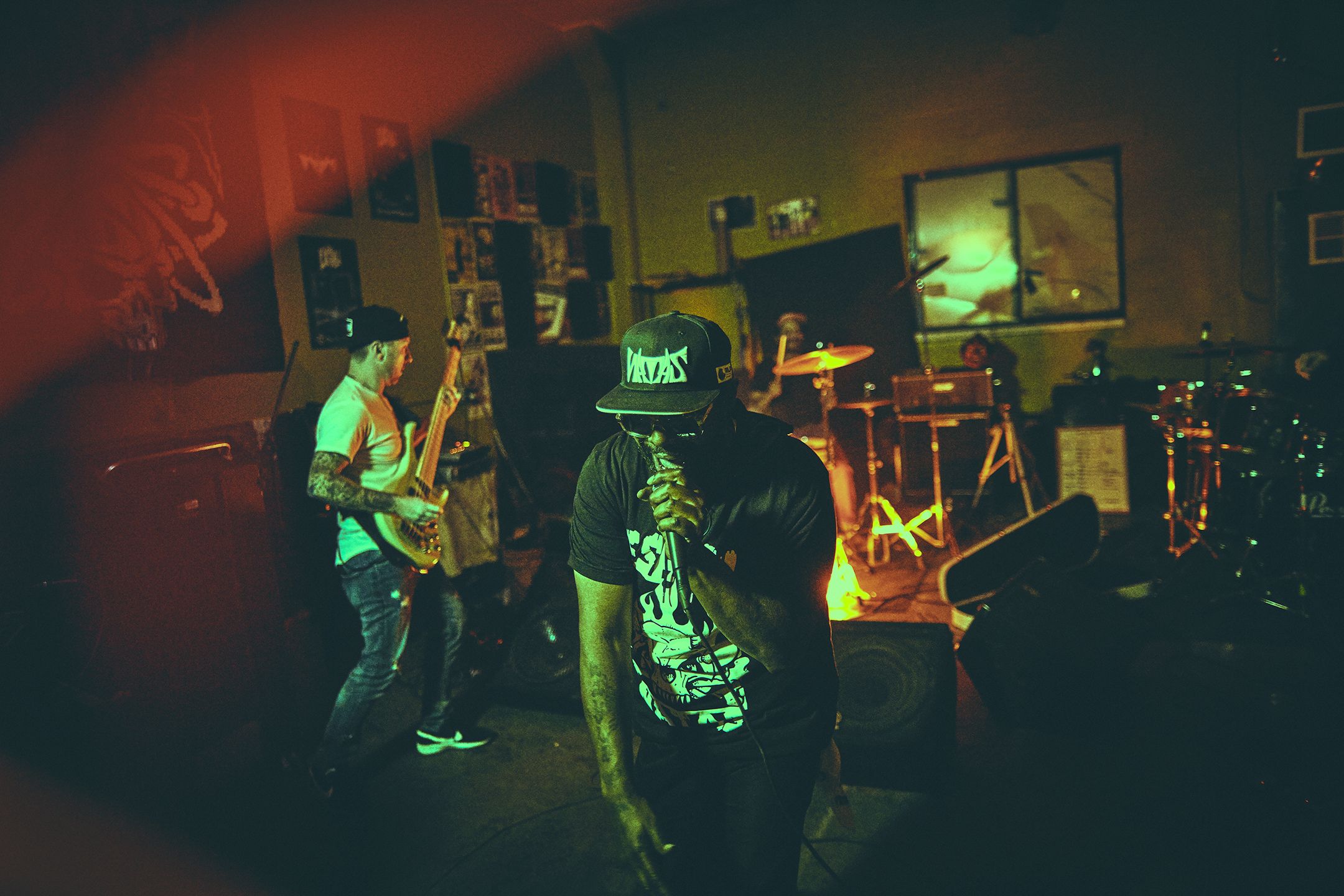
The pioneer today
Decades into his career, Esham is still making music and performing.
The big picture: The artist's latest album, "Amuse Bouche," came out this year. The imagery is dark, with the album cover featuring a chef with a bloody eyeball on a spoon. But his focus is on bringing people together, keeping positive and speaking his mind, he tells Axios.
Zoom in: Though Esham now lives in Minneapolis, he still has family in Detroit and visits often. The newest album's track list includes names "Back 2 Detroit" and "Détroit (De-twah)."
- He says people raised in his era of Detroit talk highly about the city and hold onto loving memories from the past. He hopes to be an unofficial ambassador for the city wherever he goes.
- He says that the Detroit of now has "come a long way, but it's still got a bit of a ways to go."
The latest: Watch Esham at the Crofoot Ballroom in Pontiac on Friday night or at Harpos Concert Theatre in Detroit on Nov. 30.