Former Detroit emergency manager Kevyn Orr: City is better off


Add Axios as your preferred source to
see more of our stories on Google.
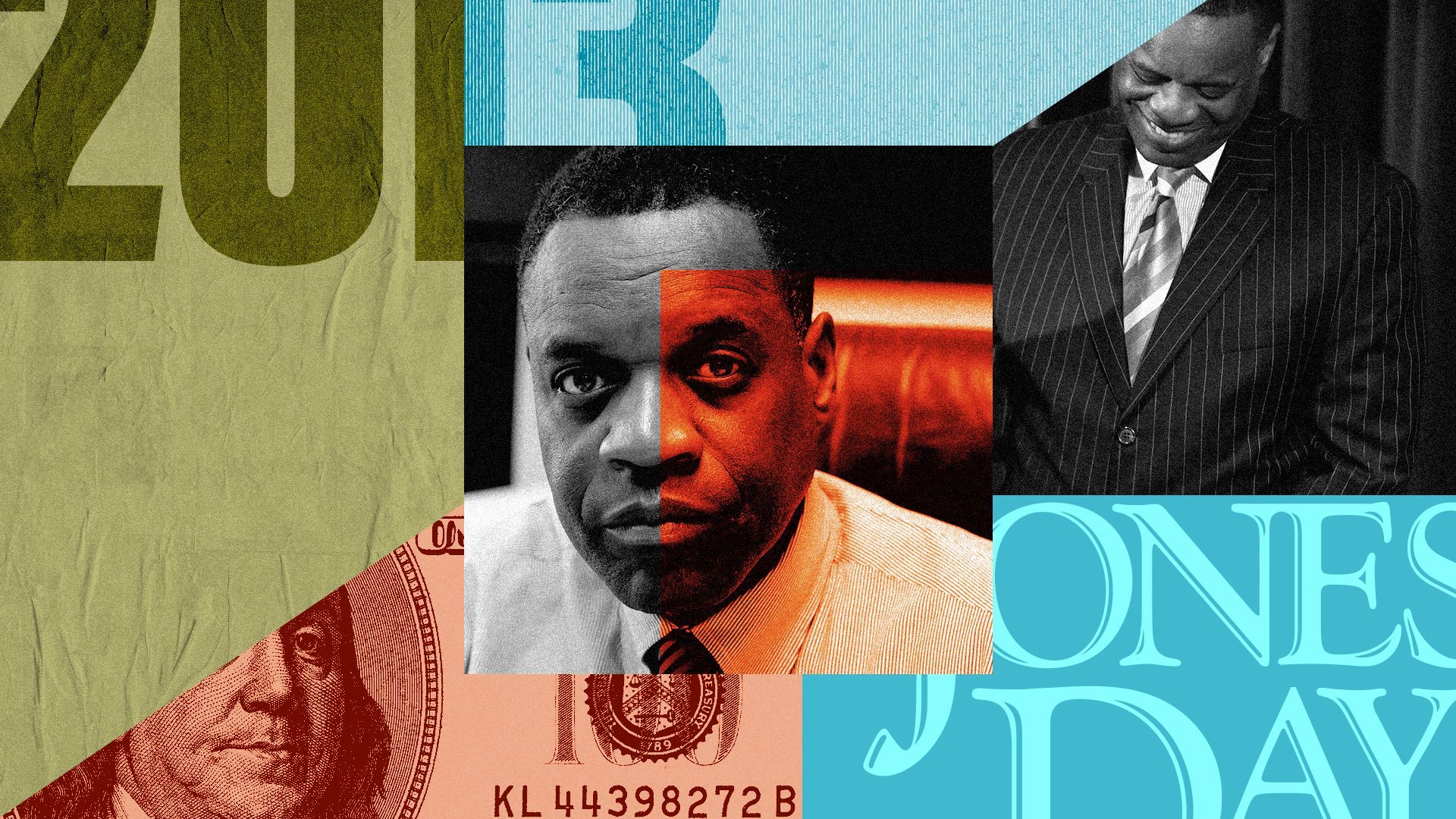
Photo illustration: Lindsey Bailey/Axios. Photos: Bloomberg/Getty Images
Kevyn Orr reshaped Detroit in dramatic fashion over an 18-month period, making him one of the most transformative — and controversial — figures in city history.
State of play: A decade after he led Detroit through bankruptcy, Orr's legacy remains a topic of furious debate.
- His bankruptcy plan freed up hundreds of millions of dollars previously devoted to debt to be spent on services, including public safety, bus transportation and blight removal.
- But it also involved a 4.5% cut in pensions for civilian retirees, lower payments to bondholders and tens of millions paid to city consultants. Many people who endured cuts remain upset about them.
- "Clearly there were people and forces that were not appreciative, but from my perspective, there were many more forces that were very appreciative," Orr tells Axios.
The intrigue: Orr has little to no presence in Detroit these days, having returned immediately after the bankruptcy to his post as an attorney for Jones Day, an elite and controversial law firm where he's since ascended to one of the top jobs in Washington, D.C.
- Orr says Detroit is undoubtedly in better shape than it was when Republican Gov. Rick Snyder appointed the self-described lifelong Democrat to the role as emergency manager in 2013.
- "At the end of the day, the question I ask myself is, 'Did I make it better?' The answer is, invariably, yes," he says.
The other side: Mayor Mike Duggan, who opposed the emergency manager's appointment, told documentarian Sam Katz that "most Detroiters think the bankruptcy was the right thing to do."
- But the mayor said an unelected official had no business deciding the city's future and usurping the authority of locally elected officials.
- "I think the city would have been better off if he'd never got appointed," Duggan said in the film "Gradually, Then Suddenly: The Bankruptcy of Detroit."
Orr says he made sure to involve the city's elected leaders in his decision-making process despite not being required to do so.
- "I actually bent over backwards to do some of the things I wasn't obligated to do to get to the right result," he says.
The bottom line: Kevyn Orr left a permanent mark on Detroit's trajectory.
- "There's not gonna be a statue [of me] in Detroit," he says. "Who cares?"
(Disclosure: Axios' Nathan Bomey was a producer for the documentary "Gradually, Then Suddenly.")