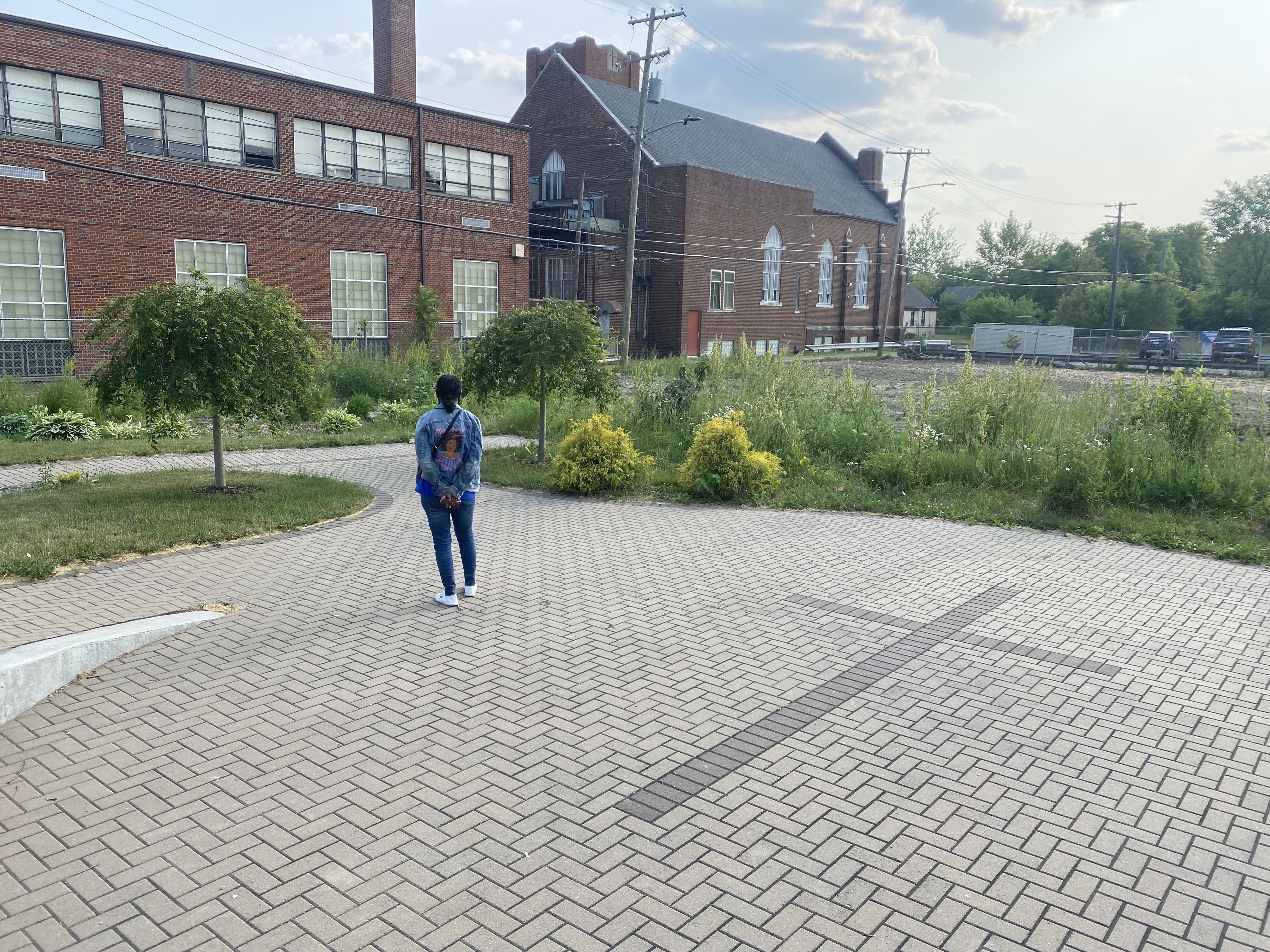
Nonprofit works with 9th Precinct residents to restore G7 neighborhoods

Add Axios as your preferred source to
see more of our stories on Google.
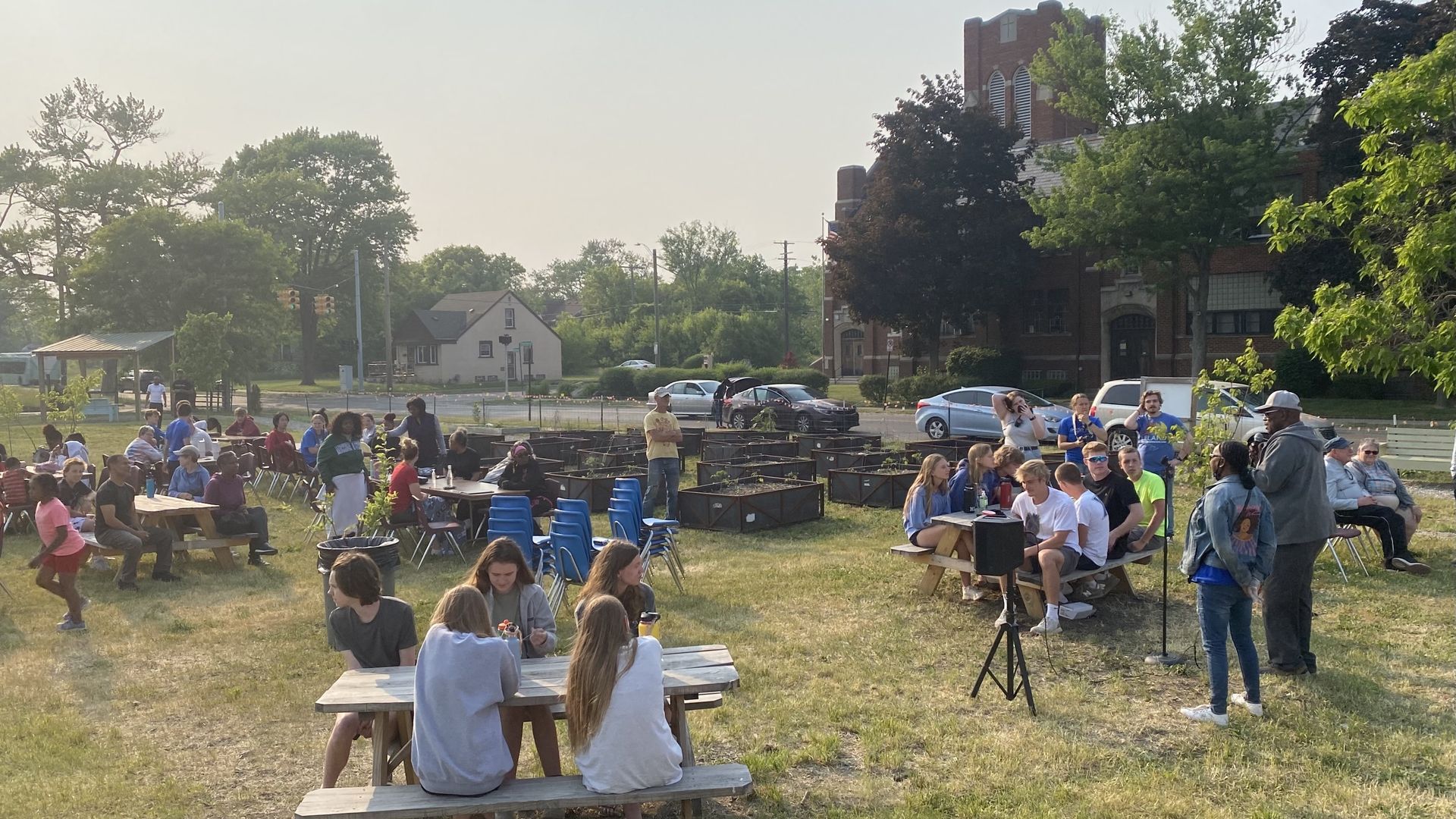
Community leaders speak during the weekly summer neighborhood barbecue on June 7 at Camp Restore in Detroit's Mapleridge neighborhood. Volunteers and a couple area residents look on. Photo: Annalise Frank/Axios
The smell of sizzling burgers wafts across an east side yard with picnic tables and raised garden beds.
- Around 60 volunteers staying in dorm-like accommodations across the street line up for a recent Wednesday evening dinner, alongside people who live in the neighborhood.
What's happening: The weekly barbecue is a staple of nonprofit Camp Restore's operations in Detroit's 9th Precinct. Since 2017, it has been bringing volunteers from across the state and country to the area to carry out service projects "designed, planned and led" by residents, not the nonprofit, executive director Amy Fanta tells Axios.
- "The goal is raising the quality of life and improving our built environment," she says.
State of play: This is the fifth story in our series on the Gratiot-7 Mile (G7) area, which includes much of the 9th Precinct.
- Community groups within G7 are working to make an impact in its neighborhoods, which have seen disinvestment over the decades amid a lack of outside attention from government and investors.
- It's resulted in challenges like a high number of vacant lots and homes.
Details: Camp Restore's volunteers pay $45 a night and bunk in former classrooms connected to Mt. Calvary Lutheran Church. They're generally church or college groups from Michigan or other Midwest states, though people from other states come, too. Most stay about a week, and summer is the busiest season.
- Tasks include construction, clearing blight, fixes in residents' homes like holes in drywall or helping with a landscaping skills program for local teens.
- Residents submit projects they want volunteers to take on and participate in planning discussions during events like barbecues and town halls.
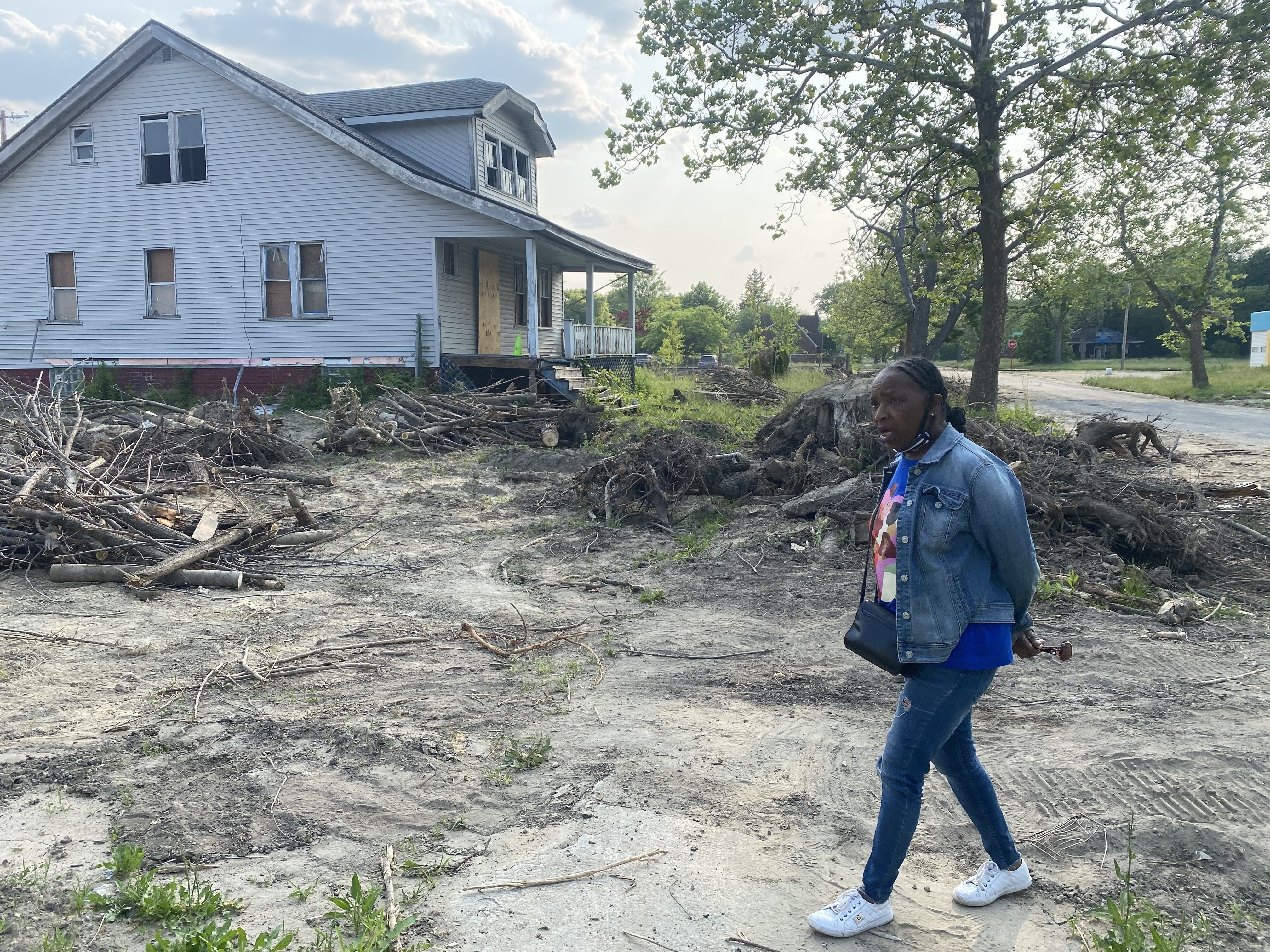
Between the lines: Around 20% of volunteer hours are spent working on the 17 properties Camp Restore purchased over the years, including fixing up vacant lots and renovating two vacant homes into youth and adult education and technology centers.
Zoom in: Roxanne Jones, who lives nearby, tells Axios that around 20 volunteers "did a lot of work very fast" cleaning up her garden and building raised beds this month.
Flashback: The organization was founded in New Orleans in 2006 after Hurricane Katrina and, with an overflow of volunteers, decided to branch out. It chose Detroit after meeting a community leader in G7 who advocated for it, according to Fanta.
Context: Community engagement director and resident Sandra Turner-Handy tells Axios it's important that the volunteers come in asking how they can help with what's happening locally — not asserting that Black Detroiters need help because of a notion that they're "downtrodden and marginalized" and don't know how to do it.
- "They come in with a heart of service," says Turner-Handy, who also leads the nearby Denby Neighborhood Alliance.
What's next: Detroit Collaborative Design Center is planning a design with residents for Camp Restore's remaining land by fall.
- The nonprofit and Denby Neighborhood Alliance also received a $700,000 "ShotStopper" city-federal grant last week for community-led violence intervention.