Polk County weighs $371K boost for Des Moines food pantry

Add Axios as your preferred source to
see more of our stories on Google.
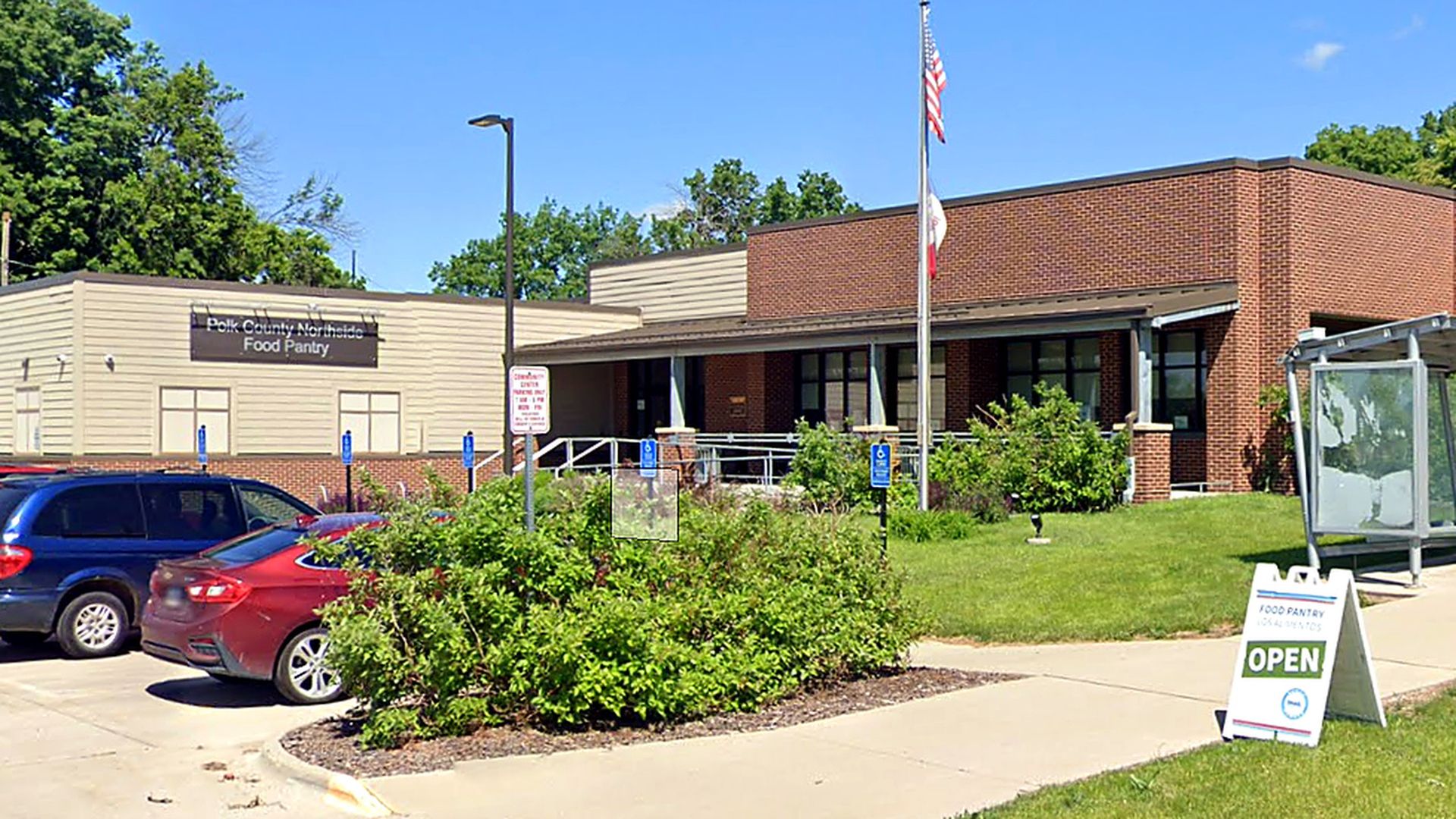
Knock and Drop Iowa operates from the Polk County Northside Community Center. Photo: Google Maps
Polk County may spend nearly $371,000 over three years to help a volunteer-run Des Moines food pantry build a paid staff and provide more reliable evening service.
Why it matters: The investment would test whether county funding can help Knock and Drop Iowa (KADI) meet growing demand without creating permanent dependence on public support.
Driving the news: The Polk County Board of Supervisors will vote Tuesday morning on an agreement that would provide KADI with funding for approximately 100 paid staffing hours per week and would require maintaining at least five part-time employees.
Catch up quick: Zuli Garcia founded KADI in 2020 as a grassroots response to pandemic-era food insecurity, initially delivering food from her garage to Latino families across central Iowa.
- The effort evolved into a nonprofit that offers culturally specific food assistance and other community services, initially operating a pantry at the former Franklin Junior High.
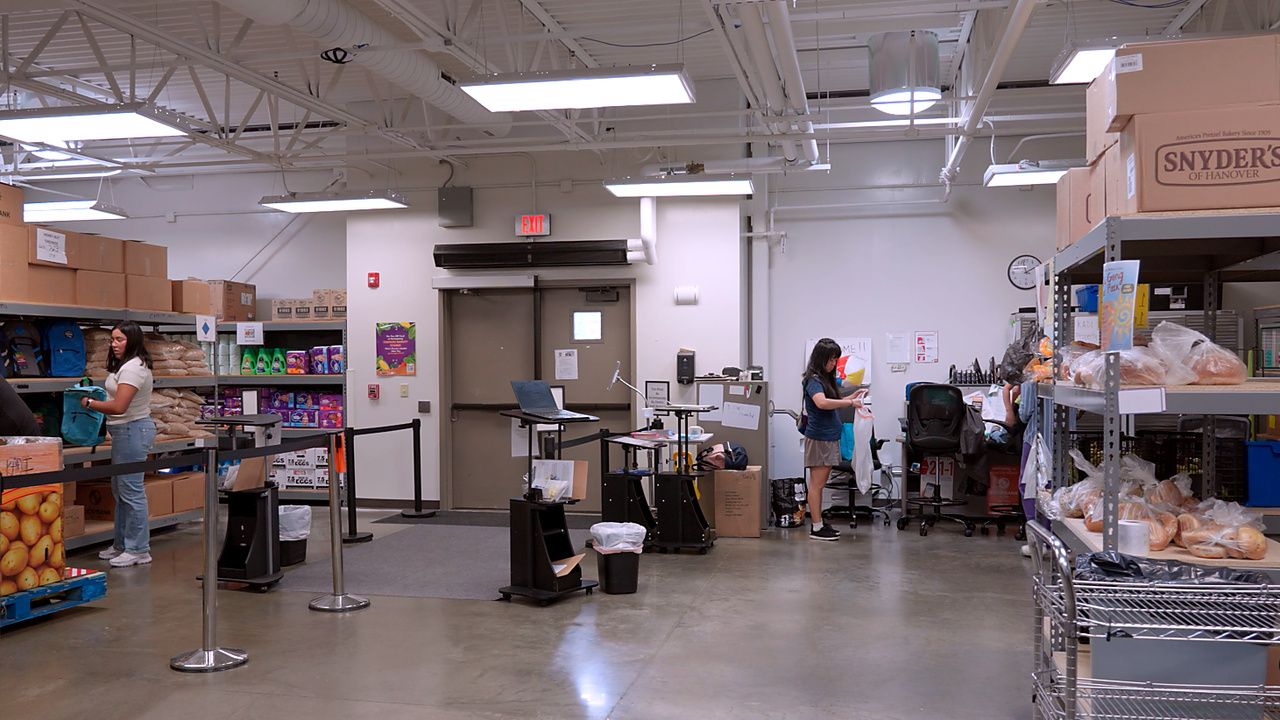
State of play: KADI now operates its food pantry at the Polk County Northside Community Center, at 3010 Sixth Ave.
Zoom in: Garcia says its evening experiment showed substantially higher demand.
By the numbers: The agreement would run through June 2029 and require KADI to maintain 4-7pm hours Tuesdays and Wednesdays.
- It currently calls for three-hour daytime windows Monday, Thursday and Friday, though KADI can adjust those hours.
- Paid staff would handle intake, stocking, food safety and volunteer coordination, while volunteers would continue to assist, Garcia says.
Catch up quick: This is Polk County's second major new multiyear hunger-relief investment this year.
- In March, supervisors approved nearly $667,000 over three years to help Caring Hands Outreach Center expand food-rescue operations, including deliveries to the county's River Place pantry.
- That deal similarly sought to help a heavily volunteer-driven nonprofit build capacity using county funds and eventually operate without ongoing county support.
What's next: Garcia says KADI would use the three-year period to measure demand and diversify funding through grants, donors, corporate sponsors, and other partnerships, rather than permanently depend on county support.