Cited for growing veggies, Des Moines woman leads right-of-way fight

Add Axios as your preferred source to
see more of our stories on Google.
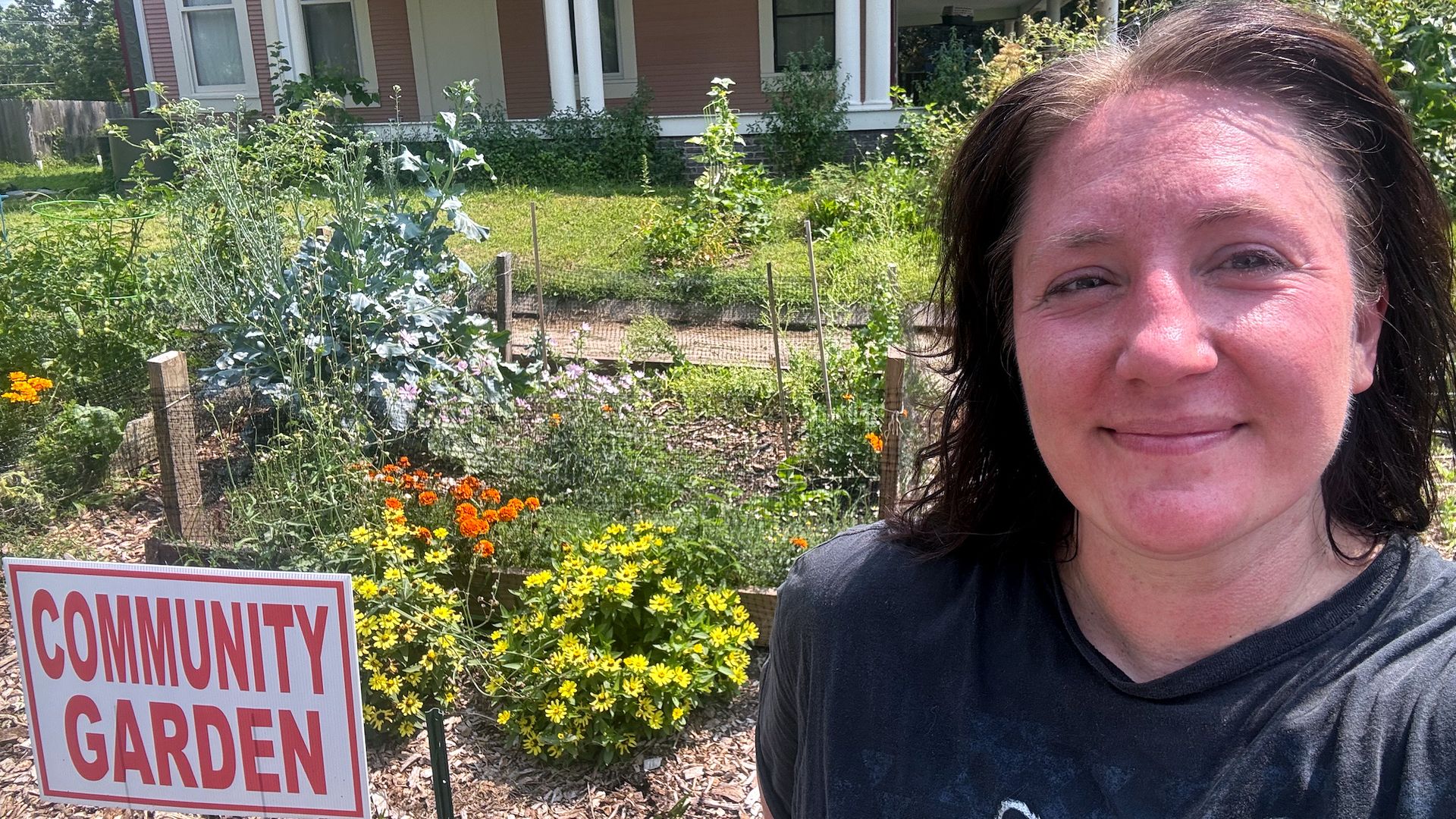
Allison Stuart was recently cited by the city of Des Moines for a public nuisance violation tied to vegetable beds in the right-of-way. Photo: Courtesy of Stuart
A Des Moines woman is fighting a city order to remove vegetable beds near her street as advocates push officials to reconsider a ban on edible plants in public rights-of-way.
Why it matters: Des Moines’ crackdown is pushing city leaders to reconsider whether residents can use public strips to grow food as the city weighs safety against its own food-access goals.
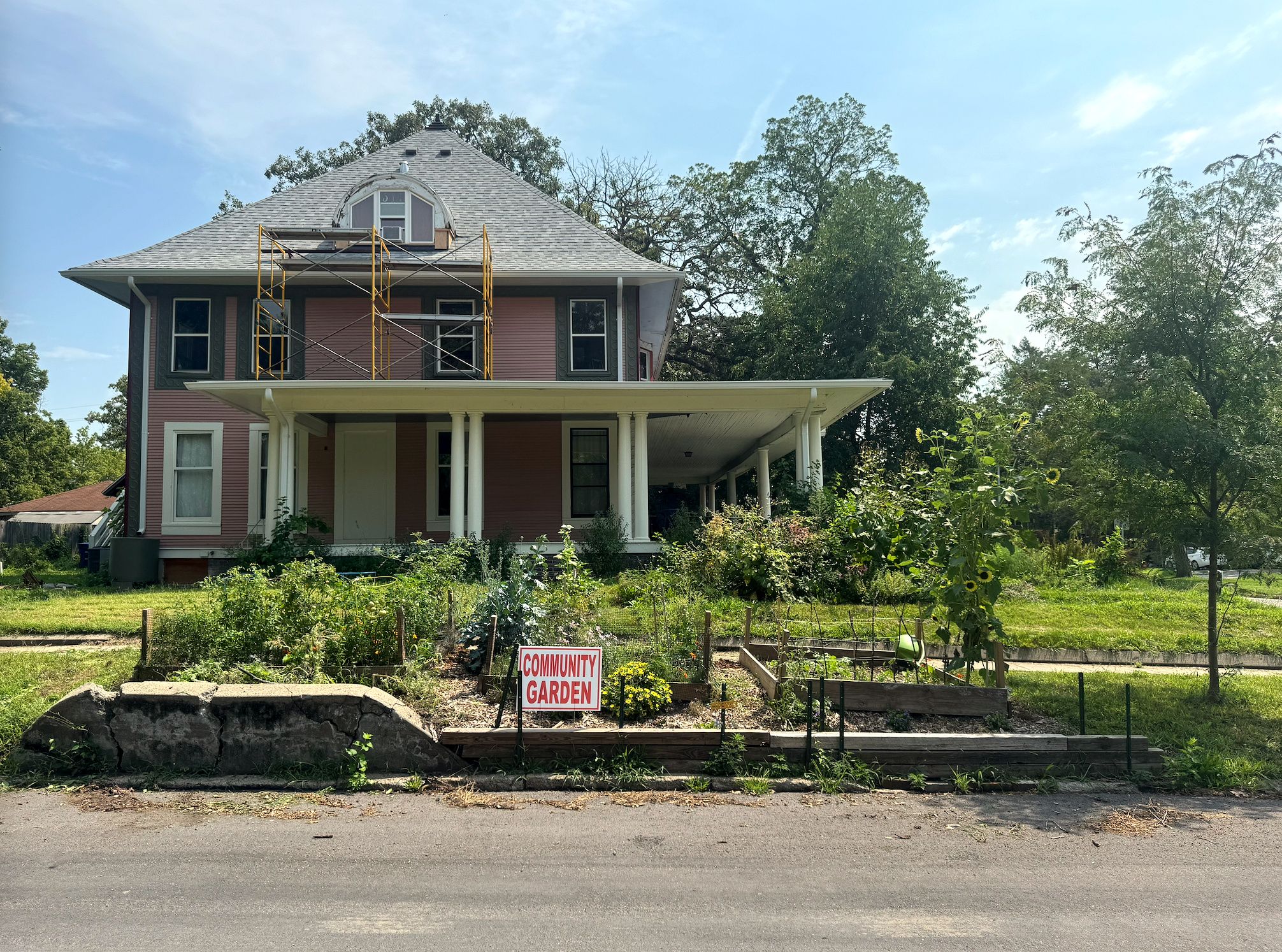
Driving the news: Drake neighborhood resident Allison Stuart is appealing a recent citation involving three vegetable beds with tomatoes, broccoli, onions and herbs between the sidewalk and street near her home.
- The case has an administrative hearing scheduled for next week, at which she is asking that the spaces be allowed through at least this growing season.
- Stuart has launched an online petition urging DSM to change the rules.
Catch up quick: Confusion about city ordinance has percolated for years, Stuart says.
- The city’s 2021 Food Security Task Force had recommended allowing fruit and vegetable crops in rights-of-way, and the City Council in August 2024 unanimously imposed a moratorium on enforcing right-of-way gardening restrictions.
Yes, but: Edible plants have never been allowed, and that was made clearer when the city approved an updated ordinance in June 2025 that added “or edible plants” to its existing prohibition on right-of-way landscaping, city engineer Steve Naber tells Axios.
The latest: Kathy Byrnes, founder and director of the nonprofit Birds & Bees Urban Farm, told the council earlier this month that the three-word addition went largely unnoticed and was adopted without any discussion of its impact on food production.
- The council referred the issue to the Food Sustainability Advisory Committee for review.
State of play: Residents may grow grass, some flowers, and certain groundcover in the rights-of-way, provided they don’t exceed 36 inches in height.
- Taller plants create potential visibility, pest and utility-access problems, Naber says.
Context: The city agreed in March to pay $150,000 to settle a lawsuit alleging oversized vegetation and a blocked sign along Fleur Drive contributed to a 2021 motorcycle crash.
What they’re saying: Byrnes would like to see enforcement paused again while the issue remains under review.
- Stuart says her garden has become a source of fresh food for neighbors, including people who ask permission to pick produce growing near the sidewalk.
What's next: Stuart’s court date is scheduled for Aug. 19.
- For now, the city’s order does not include a fine but requires the gardens’ removal.
- Continued noncompliance could result in city abatement costs and, if pursued as a municipal infraction, a civil penalty of up to $750.