Iowa's unpaid tax sale challenged as unconstitutional

Add Axios as your preferred source to
see more of our stories on Google.
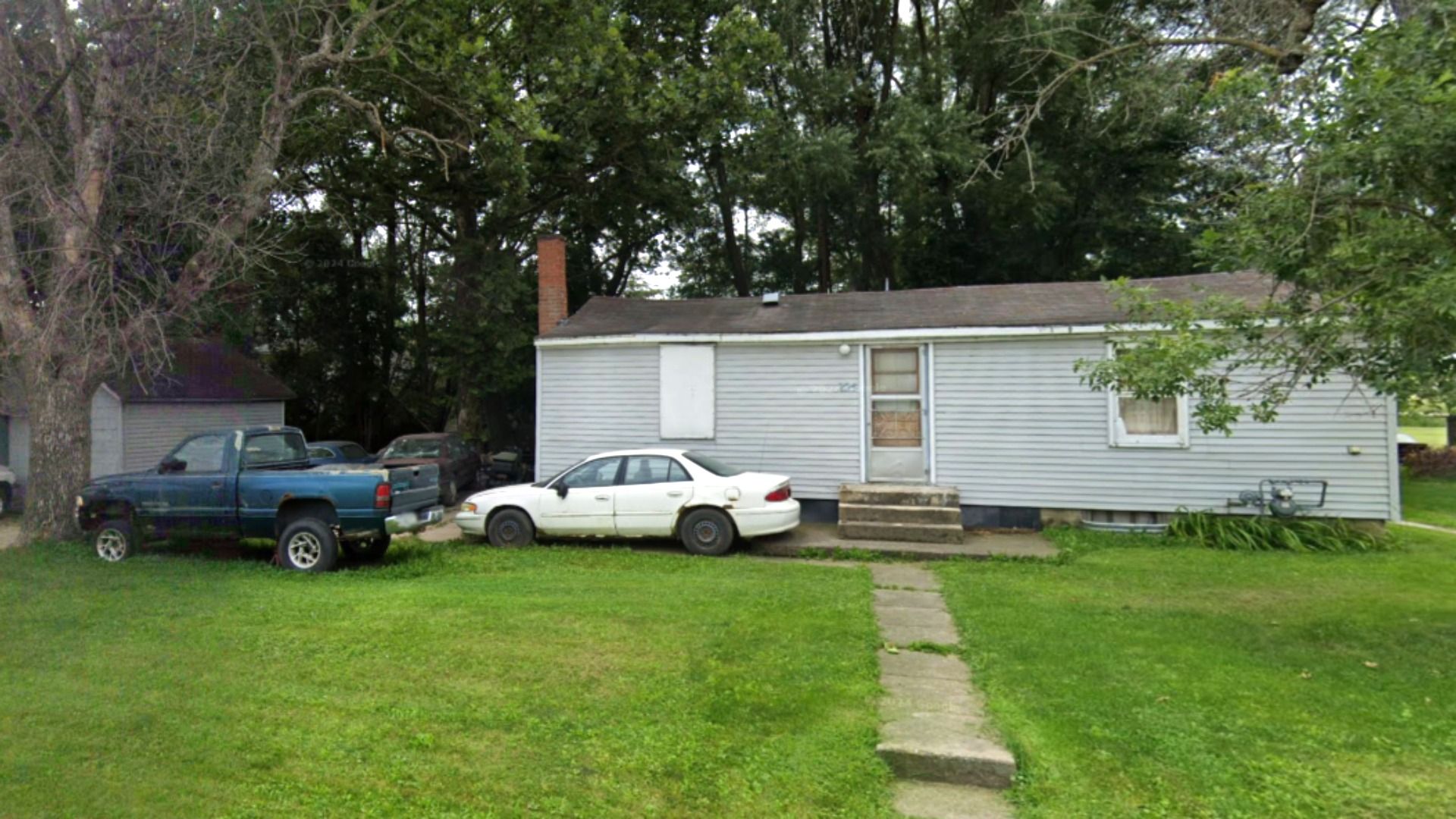
Alan Woods bought this Maynard home in 1999 after first living there as a renter, court filings show. Photo: Google maps
An Iowa homeowner's fight to keep his house over a $2,441 tax debt could test whether the state's tax-sale system unlawfully strips property owners of their home equity.
Why it matters: If successful, the lawsuit could have widespread implications for how governments collect tax debt and whether they can be compelled to compensate former owners.
How it works: Iowa counties hold annual tax sales to collect unpaid property taxes, issuing investors interest-bearing certificates until the owners pay.
- If the tax debt remains unpaid for more than one year and nine months, investors may begin the 90-day process to acquire a tax deed.
Stunning stat: Iowa has used tax sales to collect delinquent property taxes for more than 170 years.
State of play: Alan Woods, now 60, has lived in his Maynard home for over 35 years.
- The Ohio-based Equity Trust bought the tax-sale certificate for his property in 2022 and, last year, received the deed to his home, which was assessed at nearly $37,500.
Friction point: Woods, represented by Iowa Legal Aid, says in a lawsuit that Iowa's tax-sale laws violate the U.S. and Iowa constitutions by allowing private investors to take a property owner's equity beyond the amount owed.
- Equity Trust has filed a separate action that could result in Woods' eviction, but a judge has delayed it pending a ruling on his constitutional case.
What they're saying: Fayette County and Treasurer Kyle Jacobsen deny liability, saying in court documents that they were merely following state law and fulfilling mandatory duties.
- Iowa Department of Revenue Director Mary Mosiman says the state agency has no role and that legal doctrine generally shields the state government from being sued.
The other side: Iowans with limited income — often the elderly or those with disabilities — are commonly losing their most significant asset over modest tax debts, while investors can reap an unfair windfall, Woods' attorney, Todd Schmidt, tells Axios.
The big picture: Woods' case is part of a growing legal fight over "home equity theft" after the U.S. Supreme Court ruled in 2023 that a Minnesota county could not keep more than it was owed after seizing and selling a condo for unpaid taxes.
- Nebraska courts later applied that ruling to tax-deed cases involving private investors.
Zoom in: Iowa's next annual tax sale is set for June 15.
- Hundreds of delinquent tax sale entries are listed in Polk County.
The intrigue: An Iowa bill that didn't pass this year would have created a process for distributing "overplus" proceeds.
What we're watching: If Woods' case is successful, whether the excess equity would be reimbursed to him by private tax-sale investors, counties, the state, or a combination.