Iowa rescue sees increase in big dogs and cats

Add Axios as your preferred source to
see more of our stories on Google.
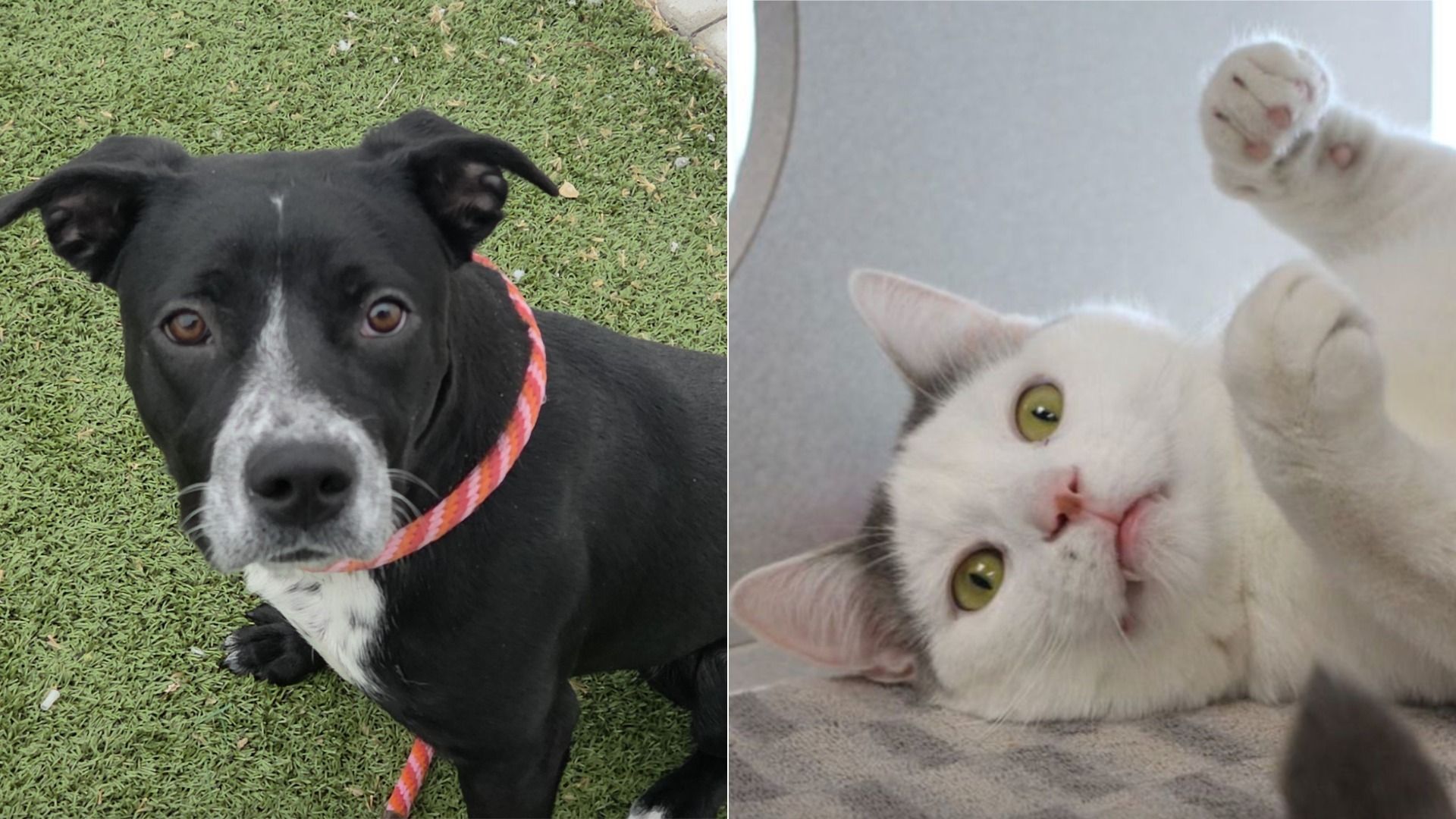
Rosalia the dog and Jeff the cat are available for adoption at ARL of Iowa. Photos: Courtesy of ARL of Iowa
The Animal Rescue League of Iowa (ARL) experienced an increase in surrendered dogs last year — a growing problem influenced by economic hardships, says ARL staffer Megan Matamoros.
Why it matters: Large dog breeds are staying at shelters much longer — about 30 days on average — compared with roughly a week for smaller dogs, increasing stress and anxiety for the animals.
State of play: Last year, there were slight increases in intakes of stray dogs (3,018) and dogs surrendered by their owners (2,038) in comparison to the previous year.
- Housing restrictions, financial strain and behavioral challenges were the main drivers behind owner surrenders, Matamoros says.
- Many renters face breed restrictions, as well as steep pet fees. With the cost of living elevated across Iowa, that added expense can be the breaking point, she says.
- Larger dogs require more food and space and are more likely to run into rental breed restrictions.
Meanwhile, cats also experienced record intakes, driven by strays who are brought in and typically never find their owners again.
- The ARL received 4,597 stray cats last year, but only 259 were reclaimed.
- But cats were adopted out last year as soon as they came in, thanks to greater numbers of adoption partners, including Petco and PetSmart, and ease in caring for them.
Yes, but: Despite the struggles for dogs, it was also a record-breaking adoption year for all animals, with around 9,000 adoptions, in comparison to last year's 8,600 adoptions.
The big picture: The ARL is trying to tackle the societal issues that burden pet owners by offering free microchips, pet food and litter. It also recently purchased two affordable vet clinics to offer reduced-cost spay, neuter and vaccines.
- There is no income requirement, with an emphasis on trying to make care as easy as possible, Matamoros says.
What's next: The ARL is working on converting a barn at its facility into a center for large-scale emergencies, such as animals rescued from hoarding situations or neglect.
- The converted facility will house dozens of kennels, a medical care area, play yards and a new HVAC system.
- "It's going to be a beautiful space," Matamoros says.