The Midwest's data center boom


Add Axios as your preferred source to
see more of our stories on Google.
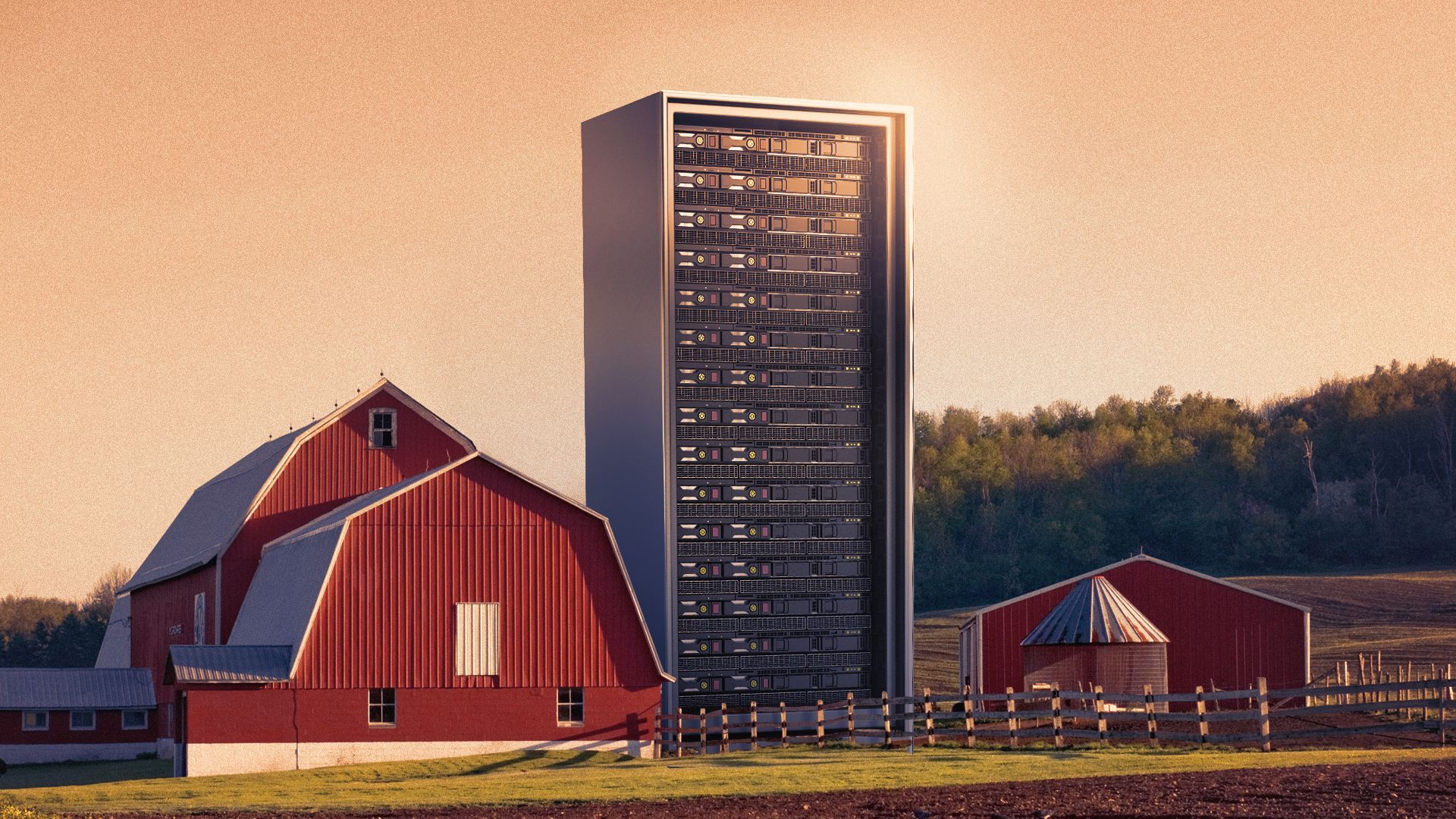
The Midwest is emerging as one of the nation's fastest-growing data center hubs, with development stretching from Kansas and Iowa to Great Lakes states like Ohio, Michigan, Indiana and Wisconsin.
Why it matters: Data centers power the AI boom — but their soaring energy and water demands often go unreported, with unclear benefits for local communities and few permanent jobs created.
- Data centers used 4.4% of U.S. electricity in 2023 and could consume up to 12% by 2028, per the Department of Energy.
- Data center construction is at an all-time high, increasing 69% year-over-year from 2023 to 2024, per CBRE, a commercial real estate firm.
State of play: Columbus, Ohio, and Chicago remain the region's primary data center markets. But companies are increasingly eyeing secondary cities like Minneapolis, Des Moines, and parts of Indiana, where land is cheaper and energy is more available, says Andy Cvengros of real estate firm JLL.
- The Midwest's abundant tax incentives are particularly appealing for companies, Jon Davis, a policy strategist for The Council of State Governments, tells Axios.
- Cooler Midwest temperatures and proximity to the Great Lakes reduce the need for energy-intensive cooling — an advantage over warmer southern states.
Yes, but: The expansion often happens behind closed doors.
- Local governments frequently sign nondisclosure agreements with tech firms, limiting public knowledge of energy and water usage, says Helena Volzer of the nonprofit Alliance for the Great Lakes.
- Fewer than one-third of data centers track water consumption, according to a 2021 study.
- "That is kind of startling," Volzer says.