Sit-ins, soldiers, a lost district: Des Moines' remarkable Black history

Add Axios as your preferred source to
see more of our stories on Google.
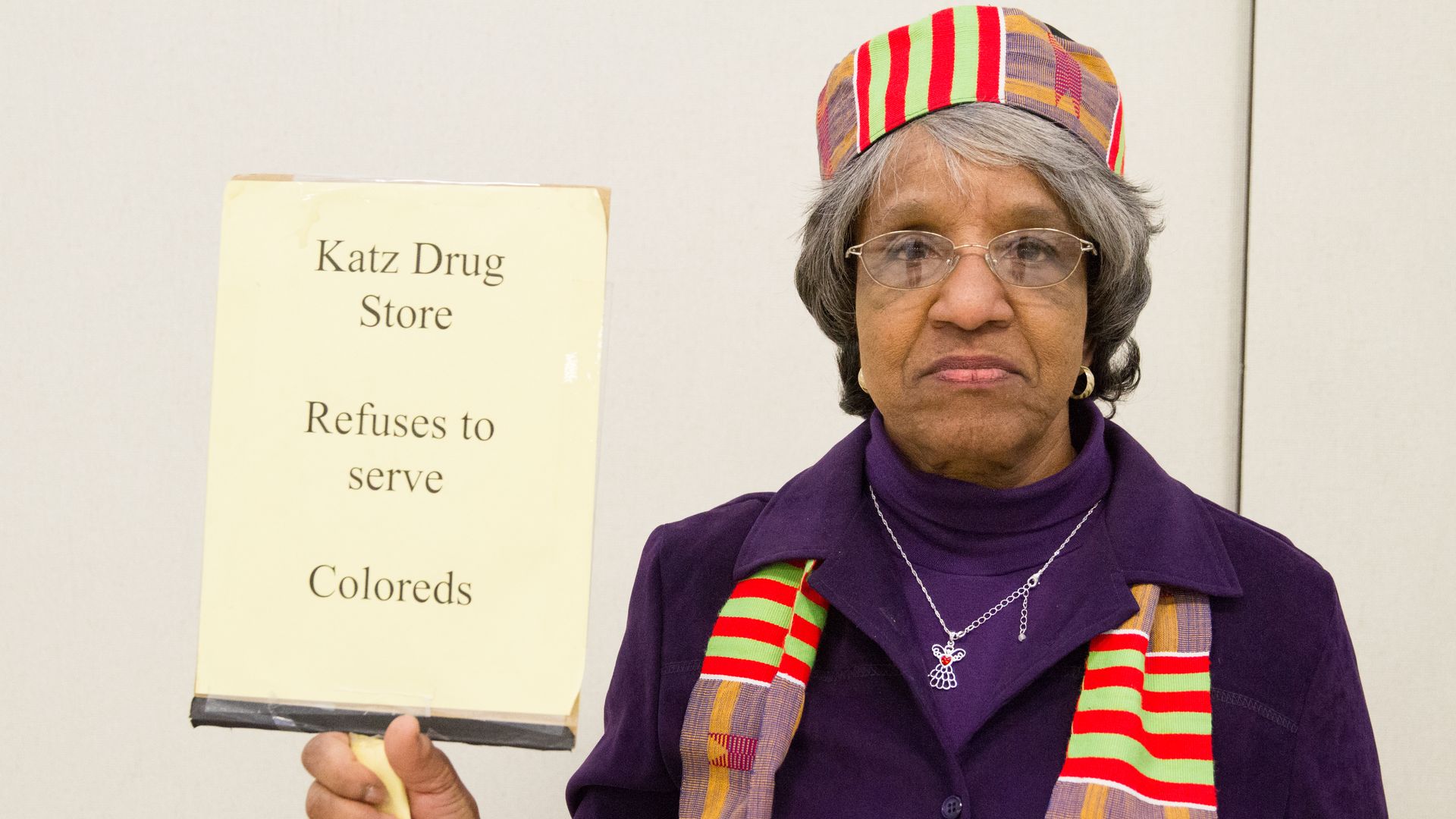
Local actress and educator Sharon Kay Brown reenacted Edna Griffin's 1940s protest of Katz Drug Store at Des Moines' Garton Elementary in 2014. Photo: Courtesy of Des Moines Public Schools
Edna Griffin led one of the nation's first successful civil rights cases in 1948, challenging segregation at Katz Drug Store in Des Moines — seven years before Rosa Parks refused to give up her seat on a Montgomery bus.
Why it matters: While Griffin's fight didn't make national headlines, it forced change in Iowa and helped lay the groundwork for future movements.
The big picture: Black History Month is a chance to recognize the local activists whose efforts shaped the broader Civil Rights Movement.
- While figures like Rosa Parks became household names, grassroots leaders like Griffin made waves in their own communities, driving change that often went unrecognized on a national scale.
Flashback: Griffin and two other Black residents were denied service at Katz Drug Store in downtown Des Moines in 1948, per Iowa History Journal.
- She organized a sit-in, boycotts and protests before eventually taking the owners to court, where a jury found them guilty of practicing racial discrimination and fined them.
- The Iowa Supreme Court upheld the conviction in 1949, setting a precedent for statewide civil rights cases.
Yes, but: A separate civil suit seeking $10,000 in damages led to an all-white jury awarding her $1, which her lawyer described as a "moral victory."
Here are two more significant local examples:
The Center Street district: A lost Black cultural hub
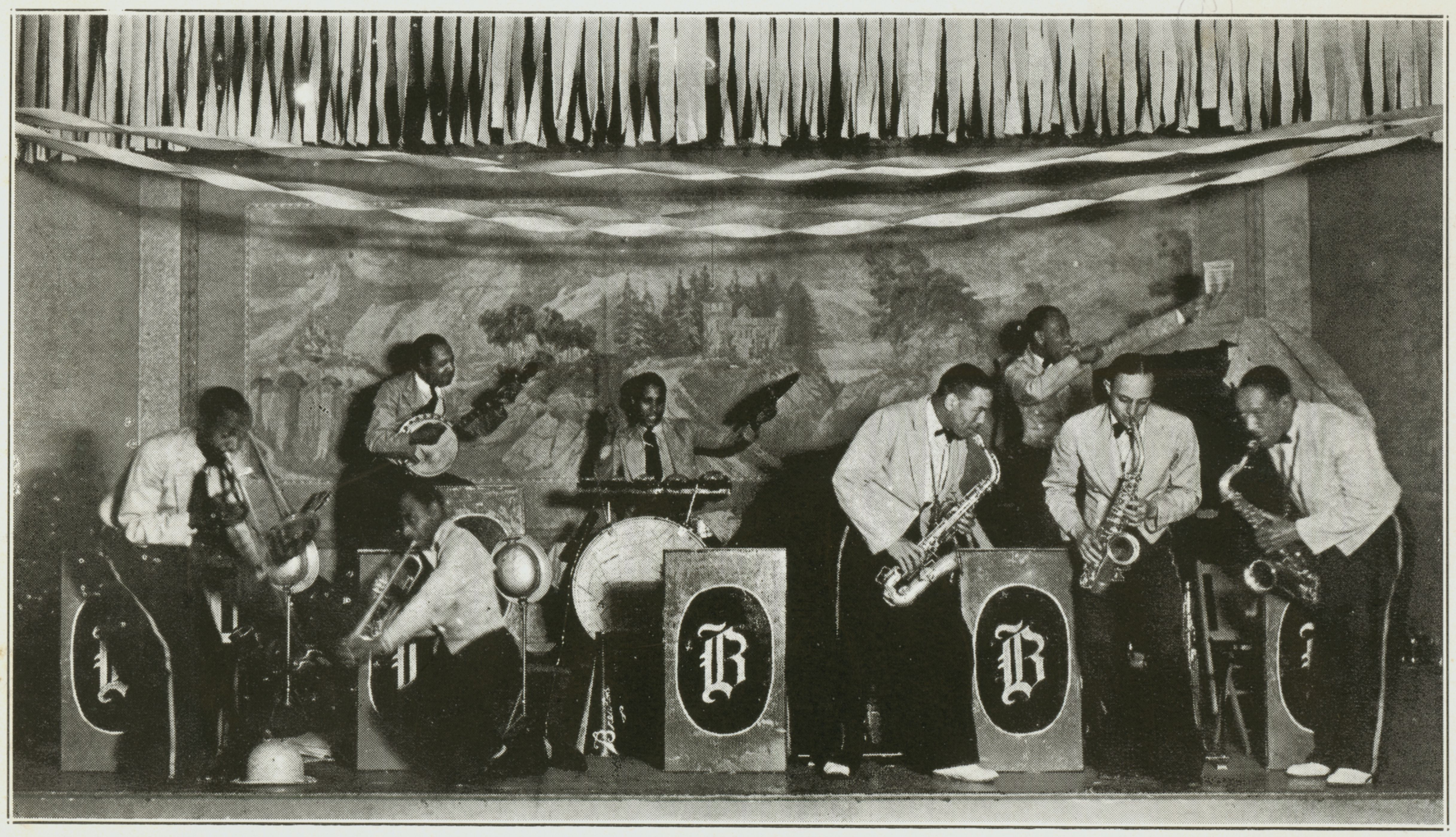
Center Street was a thriving hub for Black businesses, culture and music before urban renewal projects displaced many homes and businesses.
Zoom in: The district was adjacent to Sherman Hill and stretched from 15th Street to Keosauqua Way. It included grocery stores, hotels, jazz clubs and restaurants.
- Freeway construction in the 1960s, part of a federal interstate project, targeted this area and led to disinvestment and Black families being forced to move.
State of play: A historical marker was installed near Iowa Methodist Medical Center in 2023.
- A tiny 110-year-old grocery store near the district was recently designated a historical landmark and turned into offices for Sequel Architecture + Interiors.
The training of Black officers at Fort Des Moines
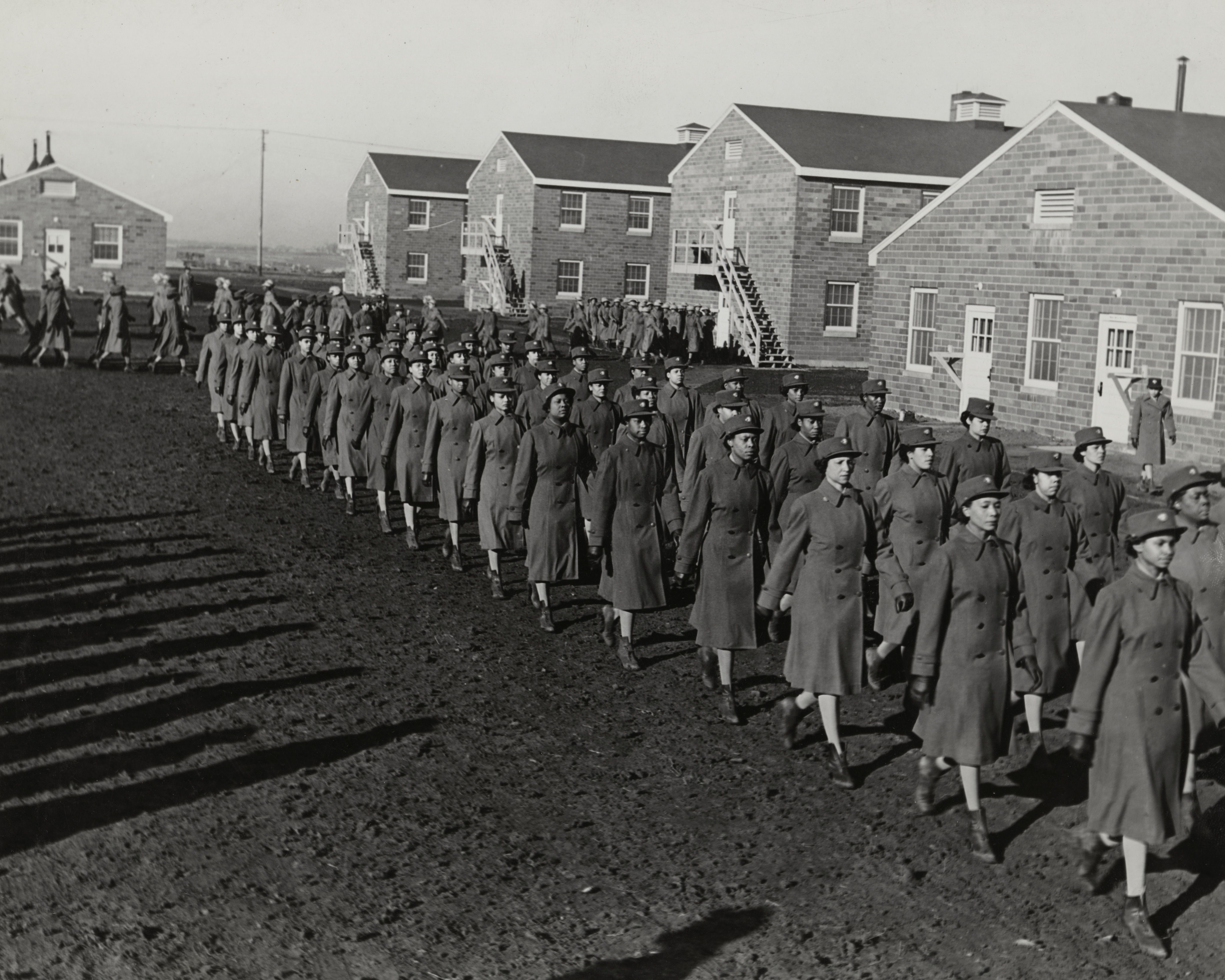
Fort Des Moines was the only training site for Black officers during World War I and the first training site for the Women's Army Auxiliary Corps (WAAC) in World War II.
Catch up quick: Black enlistments were restricted by the federal government in the early 1900s due to concerns that racial tensions would undermine military efforts, according to Iowa PBS.
- Fort DSM was established as a training site for Black officers in 1917 following political pressure from groups like the NAACP.
- The first WAACs arrived for training in 1942.
The big picture: Despite encountering discrimination both within and outside the military, hundreds of officers continued to serve honorably.
- Fort Des Moines is a crucial historical site, with ongoing efforts to preserve its heritage and educate future generations about its significance in racial integration within the U.S. military.
🔎 Discover more: Iowa PBS offers a collection of videos and websites focused on Iowa's Black history.