World's largest Snowflex has a rough start

Add Axios as your preferred source to
see more of our stories on Google.
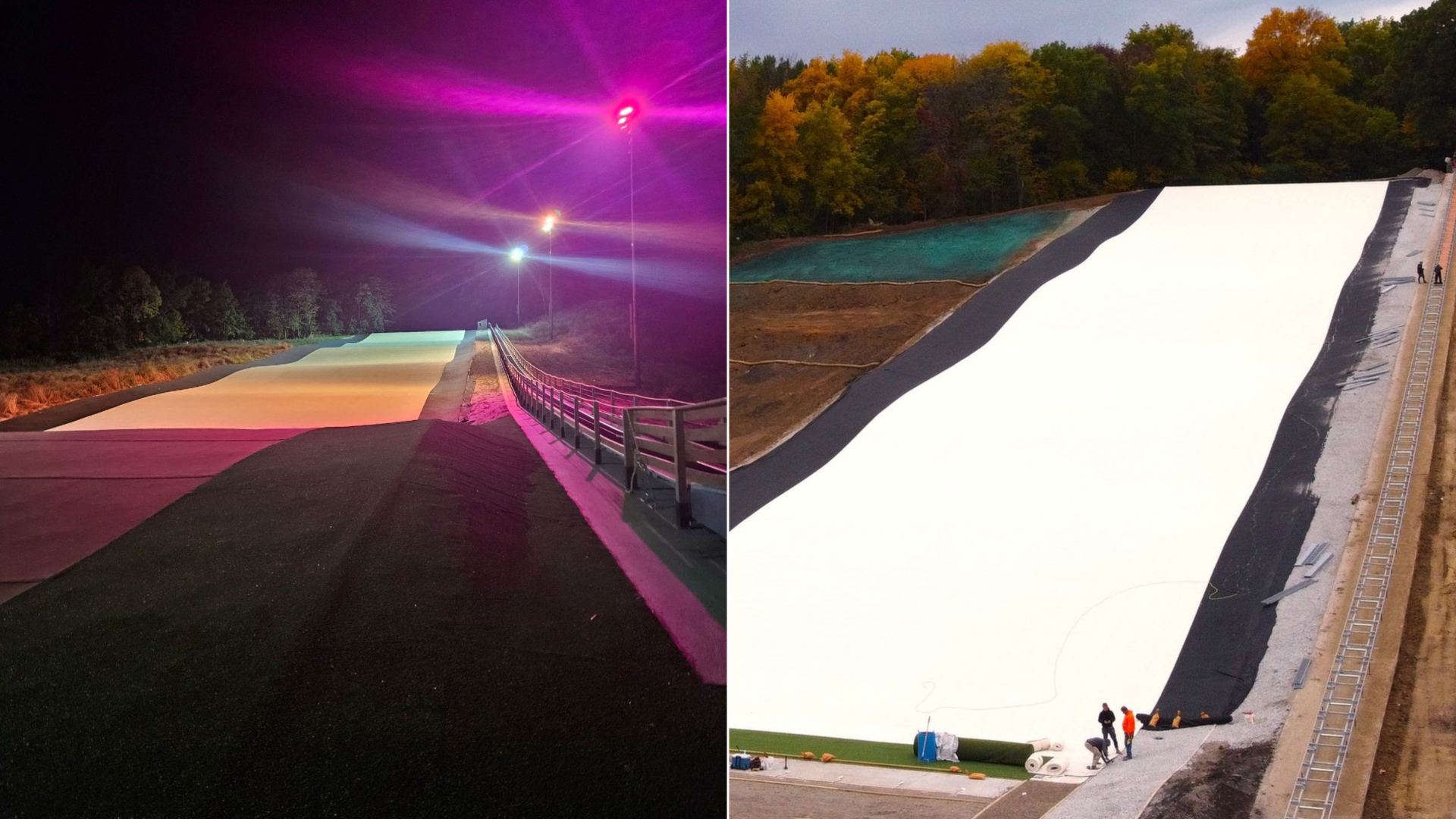
Sleepy Hollow's 50,000-square-foot synthetic snow hill opened last year. Photo: Courtesy of Polk County Conservation
The world's largest all-weather Snowflex turf hill, in Des Moines, had a challenging first season and is currently closed until spring.
Why it matters: Polk County's government has invested millions of dollars into the project, and millions more will be needed to transform it into a year-round amenity.
Catch up fast: The 76-acre complex near the Iowa State Fairgrounds was privately owned and run as a golf and winter sports destination before Polk County purchased it in 2021 for $3.5 million.
- The county then invested another $3 million in an initial phase to update the complex.
- The 600-foot-long Snowflex — a hill made of slick, springy material with hundreds of water nozzles for warmer weather tubing — opened last May.
Friction point: The first season was "drastically cut short" due to lift failure, according to a recent presentation to the Polk County Board of Supervisors by Jeff Condon, leisure services manager for the county.
- A newly expanded pond intended to provide water for Snowflex operations leaked, forcing the complex to instead purchase thousands of gallons of water.
The latest: The facility closed for the season several months ago because its snowmaking equipment is broken, which Polk County was aware of when the property was purchased, Condon said.
- Until fundraising is completed to replace the machines, the Snowflex cannot operate during winter months.
Yes, but: Despite periods of unexpected inoperability, Condon told supervisors, the season finished strong by offering skiing and snowboarding in the final weeks.
- The pond leak is being repaired, and the hill will be reopened this spring, he said.
By the numbers: The attraction lost more than $1.5 million in the first year, Jessica Lown, a spokesperson for Polk County Conservation, tells Axios.
- 1,754 people visited during the 34 days the attraction was open, an average of almost 52 a day.
- Just eight people purchased season passes last year. Lown says the passes were extended an extra year because of the closures.
Reality check: Some of the challenges were unexpected, Lown says, but Polk County anticipated it would take several years before park revenue covered the expenses.
- The long-term goal is for it to be a recreational destination and spur development on the metro's east side, she says.
What's next: In the coming months, a $13 million fundraising campaign will begin the next phase of the park's planned development.
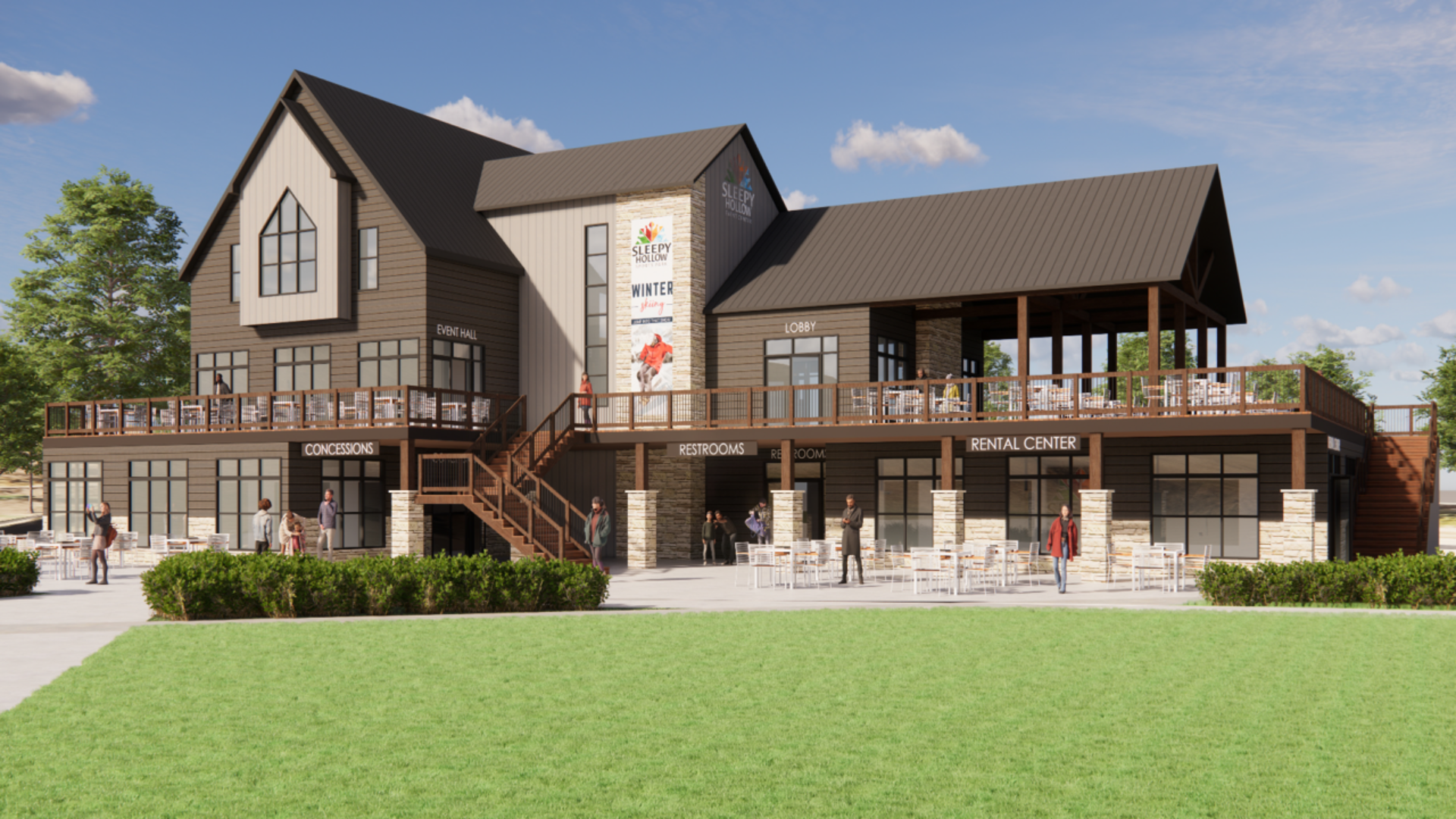
- That includes a new lodge and new snowmaking machines to turn the facility into a year-round operation by 2027.