Iowa's gray foxes are disappearing — and researchers don't know why

Add Axios as your preferred source to
see more of our stories on Google.
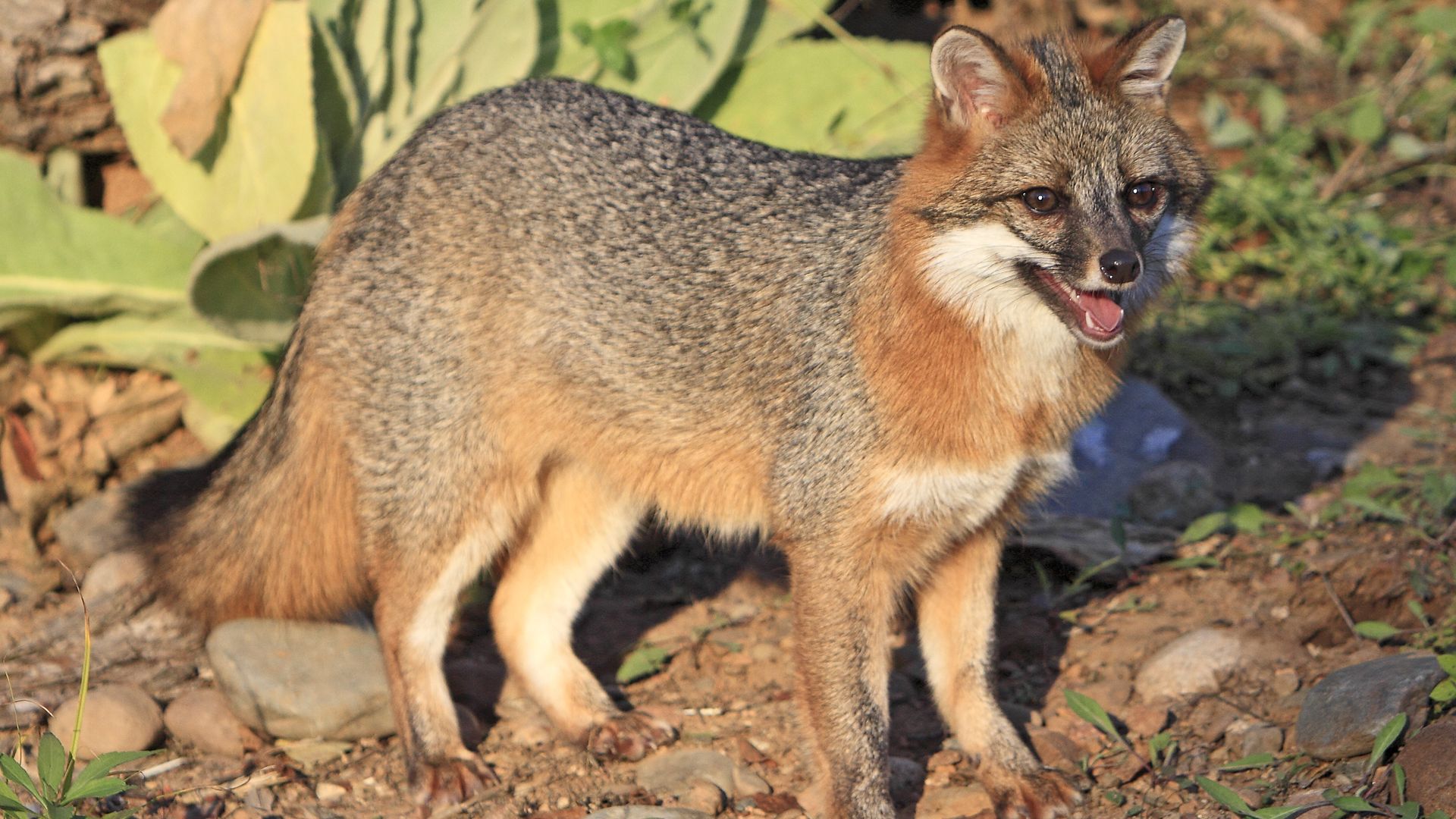
Gray fox. Photo: Sylvain Cordier/Gamma-Rapho via Getty Images
Statewide sightings of the elusive gray fox have dwindled to worrisome levels over the last five years, Iowa DNR biologist Vince Evelsizer tells Axios.
Why it matters: Commonly found in southern and eastern parts of the state, the 10-pound mammals are native to Iowa and play an important role in our state's ecosphere.
- They help control small prey like rodents and birds while dispersing seeds from the plants they eat.
What's happening: Because these "street smart" creatures are so hard to catch, Evelsizer says it's been difficult for the DNR to determine why their population is declining.
- Forest habitat loss, disease or other predators could be hurting them, but the DNR won't know for certain until they can catch, track and take blood samples.
- They're offering trappers $400 for live, healthy gray foxes and are asking the public to report sightings, especially from trail cams.
By the numbers: The Iowa DNR relies on hunters to report sightings to determine the population count.
- While gray fox numbers have always been low, they've continued to trend downwards over the last 25 years.
- In 2022, there was less than one gray fox sighting per 1,000 hours of bowhunting compared to three sightings back in 2005.
The intrigue: Other Midwest states including Ohio, Illinois and Indiana have also reported a fall in sightings.
- But gray foxes are still prominent in the southern U.S. and even northern Minnesota, to the point that they are not considered an endangered species.
What's next: No one has turned in a single gray fox since trapping season started Nov. 4.
- Since catching them is going at a "snail's pace," Evelsizer expects it could take years before they get enough gray foxes to figure out what's happening.
The bottom line: "Every species that was native to Iowa is valuable," he says.