Polk County launches unprecedented river research project

Add Axios as your preferred source to
see more of our stories on Google.
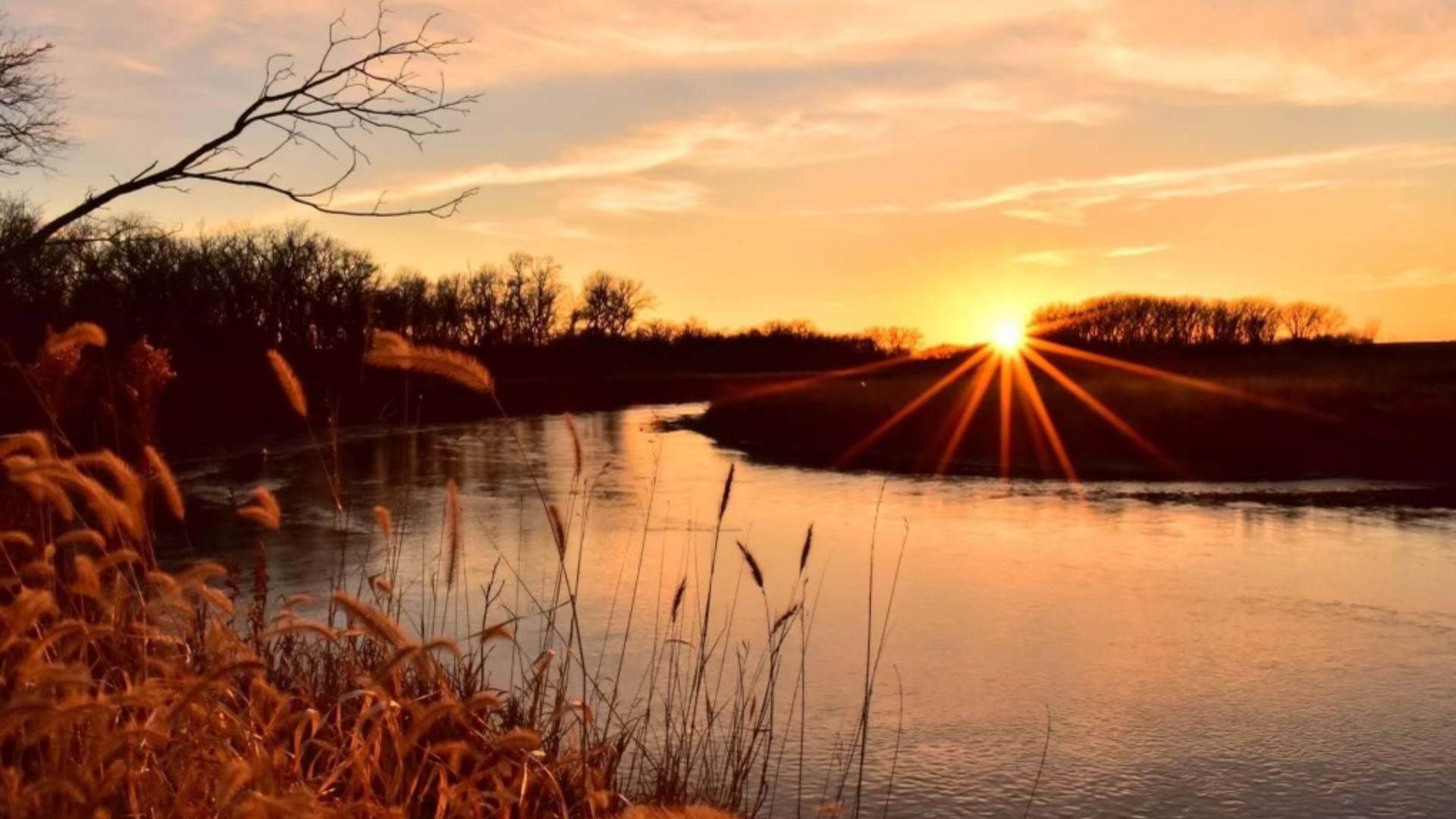
A view of the Raccoon River in Des Moines. Photo courtesy of Eric Burson
Polk County hired about a dozen scientists this week to help launch a two-year project examining water conditions and the biological health of the Des Moines and Raccoon rivers.
Why it matters: The rivers provide drinking water to much of the metro.
- Plus, regional planners want to transform them into bigger recreational attractions as part of the ongoing $125M Iowa Confluence Water Trails (ICON) project.
- The project will provide an up-to-date snapshot of the metro's major water sources and will likely be the most comprehensive river review in DSM's history, Polk County Administrator John Norris tells Axios.
Flashback: Metro officials have for years battled pollution and dangerous levels of nitrates that leach into the rivers from things like fertilizers, wastewater treatment plants and septic systems.
- Des Moines Water Works in 2015 sued three northwest Iowa counties and multiple drainage districts in federal court, alleging they violated the Clean Water Act by not better controlling nitrates.
- A judge dismissed the lawsuit in 2017, concluding the widespread problems are for the Iowa Legislature to address.
State of play: A $50+ million plan to build wells north of the metro to remediate some of the problems is under consideration as water quality continues to dog the public utility.
Driving the news: This week's agreements between Polk County Supervisors, scientists and several universities are among the first steps for the new Central Iowa Water Source Water Research Assessment (CISWRA).
- The $1 million project will review existing river data, identify research gaps and create a water quality improvement plan.
Of note: Polk County is using federal pandemic grant money to pay for the project.
What's next: CISWRA scientists and research groups meet next month to develop a research plan, project leader Jennifer Terry tells Axios.
- A scientific assessment and recommendations will be made in 2025, she says.