Colorado's wolf dilemma deepens

Add Axios as your preferred source to
see more of our stories on Google.
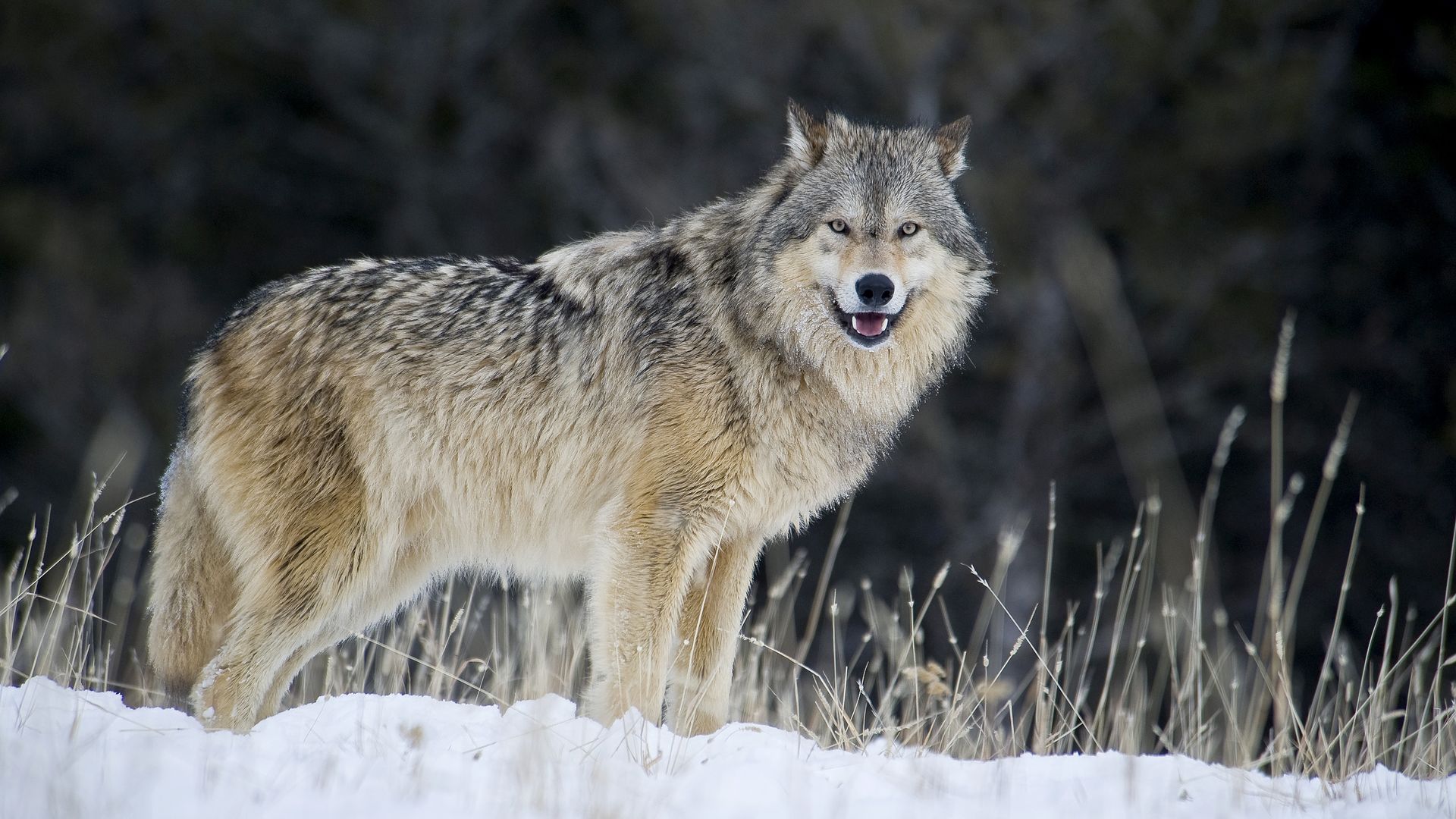
A gray wolf. Photo: Dennis Fast/ VWPics/Universal Images Group via Getty Images
Colorado's wolf reintroduction program is caught in a fundamental bind: building a self-sustaining population while limiting livestock losses for ranchers.
Why it matters: Nearly three years into a voter-mandated effort, Colorado is still searching for a way to make its wolf experiment work.
Driving the news: Colorado Parks and Wildlife this week suspended its policy allowing lethal removal of wolves that repeatedly prey on livestock, after killing five since April.
- The agency says future removals will be case by case using a "very conservative approach" due to concerns the population may not grow this year.
- CPW must "ensure the survival of existing wolves in the state," director Laura Clellan said in a statement.
By the numbers: CPW has detected 45 wolves, including 20 pups born this year.
- But adult survival was just 61% last biological year, compared with the roughly 75% CPW says is typical for an unharvested wolf population.
State of play: The divide that's defined Colorado's wolf program from the start is deepening.
- Agricultural groups condemned the suspension — arguing lethal removal is necessary for conflict management.
- Wolf advocates applauded it and are pushing CPW to make the change permanent.
The intrigue: Don Gittleson, a Grand County rancher who's lost livestock to wolves and sought their removal, doesn't fit neatly into either camp.
- "Honestly, what [CPW] was doing wasn't working," he tells Axios.
- Gittleson argues CPW has been killing young wolves instead of older animals he believes teach them to prey on livestock, though he acknowledges the state's mandate limits its options.
Threat level: He calls the reintroduction "probably the largest calamity that CPW's ever had in their history."
Between the lines: CPW's margin for error is narrowing.
- Kill too many wolves and the state risks undermining its recovery mandate. Kill too few problem wolves and livestock losses could further erode ranchers' trust.
- "Their hands are tied," Gittleson says of wildlife officials.
What's next: CPW says it will rewrite its chronic depredation directive by April 1 and emphasize nonlethal deterrents in the meantime.
What to watch: Whoever wins the governor's race will inherit the program — and its fractured politics.
- In a recent Club 20 debate, Democratic candidate Phil Weiser said while "no one is content" with how reintroduction's going, the state must follow the voter-approved law" and "rebuild trust by giving rural communities a greater role in managing the program."
- At the same debate, unaffiliated candidate Greg Lopez said the program has "failed" and, as governor, he'd seek to end Colorado's role as the federal government's designated agent for wolf management.
- In a statement to Axios, Republican candidate Victor Marx criticized CPW's suspension and pledged to give people living with wolves "a real voice."