How taxpayers could end up paying for new Broncos stadium

Add Axios as your preferred source to
see more of our stories on Google.
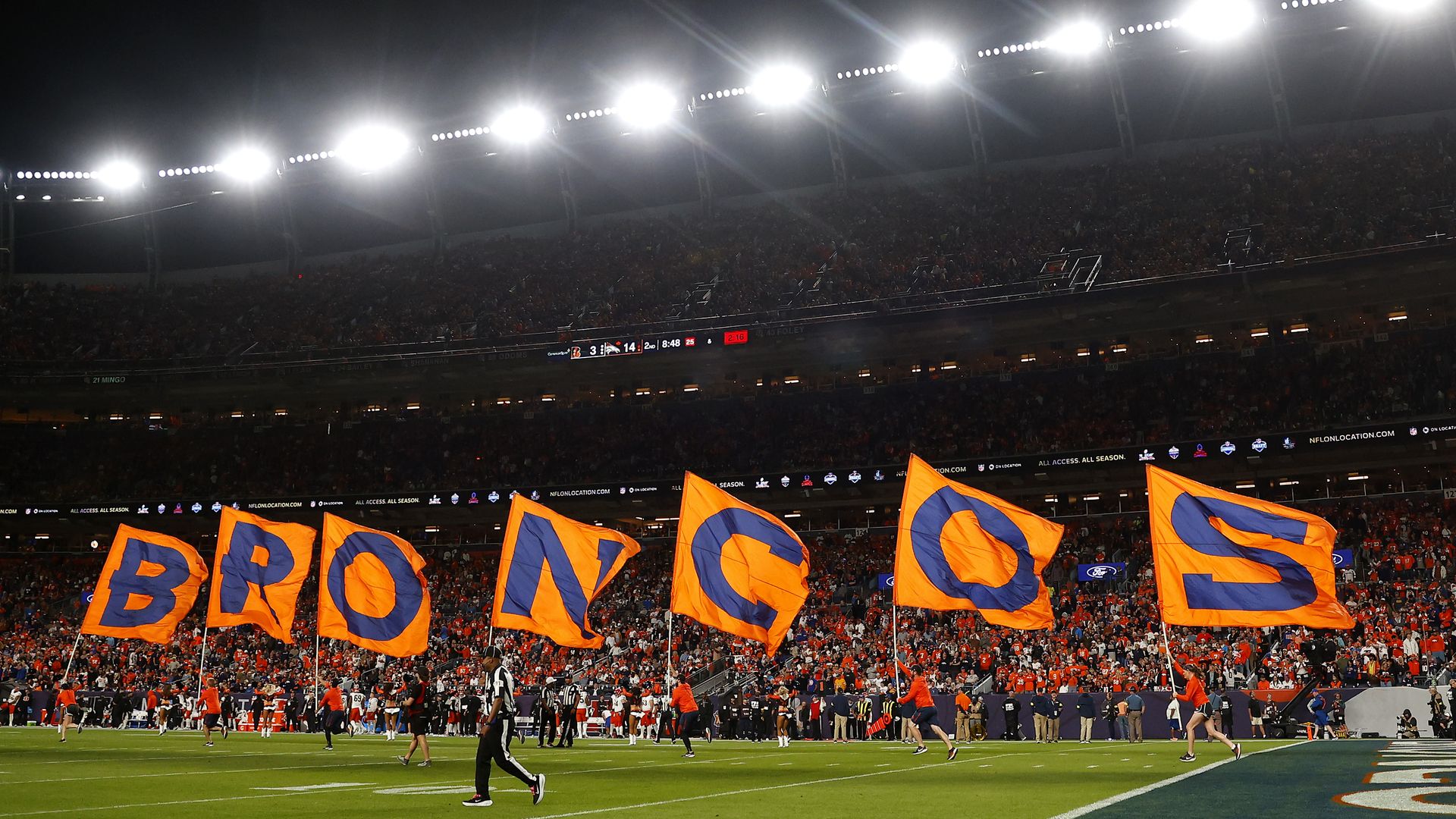
Empower Field at Mile High on Sept. 29 in Denver. Photo: Justin Edmonds/Getty Images
Nearly every penny for the new Denver Broncos stadium will come straight from the hefty piggy banks of its team owners — at least, that's the plan unveiled by the Walton-Penner Family Ownership Group last month.
The big picture: Rob Walton and his family, the wealthiest owners in the NFL, are proposing to build a reported $4 billion stadium at Burnham Yard, buying 83 acres to develop an entertainment district anchored by the arena.
- The announcement prompted politicians and fans alike to rejoice. "There is no better NFL deal in the country," Mayor Mike Johnston said during an Axios Denver event this month.
Why it matters: The reality is a bit more nuanced. As history suggests, even if taxpayers don't immediately foot the bill, a multi-billion-dollar stadium will require multi-million-dollar upkeep, possibly at their expense.
How it works: The public isn't privy to key details until a term sheet is released, University of Colorado-Denver associate professor Geoffrey Propheter, who specializes in sports facilities, tells Axios.
A term sheet outlines estimates for key costs like operations, maintenance, and — crucially for the public — it could include projections for a minimum taxpayer commitment, Propheter adds.
- A Broncos spokesperson on Tuesday told Axios there's no timeline set for the term sheet's release, and the team is working collaboratively with the community on an agreement related to the stadium.
What he's saying: "There's absolutely nothing special about this that I haven't seen somewhere else before," Propheter tells us.
The other side: Of the five most recent NFL stadium projects, only Denver's will be built without any public money for the stadium or acquiring land, Johnston said this month.
- Taxpayers contributed nearly $3.5 billion to build or redevelop stadiums for the Buffalo Bills, Carolina Panthers, Cleveland Browns and Washington Commanders over the past three years.
Yes, but: The stadium could still end up getting public money through sales tax breaks or tax increment financing, Propheter adds.
- "Even if it starts privately financed, [that] doesn't mean it ends privately financed," he tells us.
Between the lines: The Vibrant Bond package is another potential way Denver residents could cover costs connected to the stadium, since these bonds are repaid with money from property taxes.
- The package includes $139 million for fixing viaducts near the proposed stadium site.
The bottom line: It's too early to say whether Denver's stadium proposal will be the sweetheart deal the mayor's touting.