Colorado braces for heightened threats after strikes on Iran

Add Axios as your preferred source to
see more of our stories on Google.
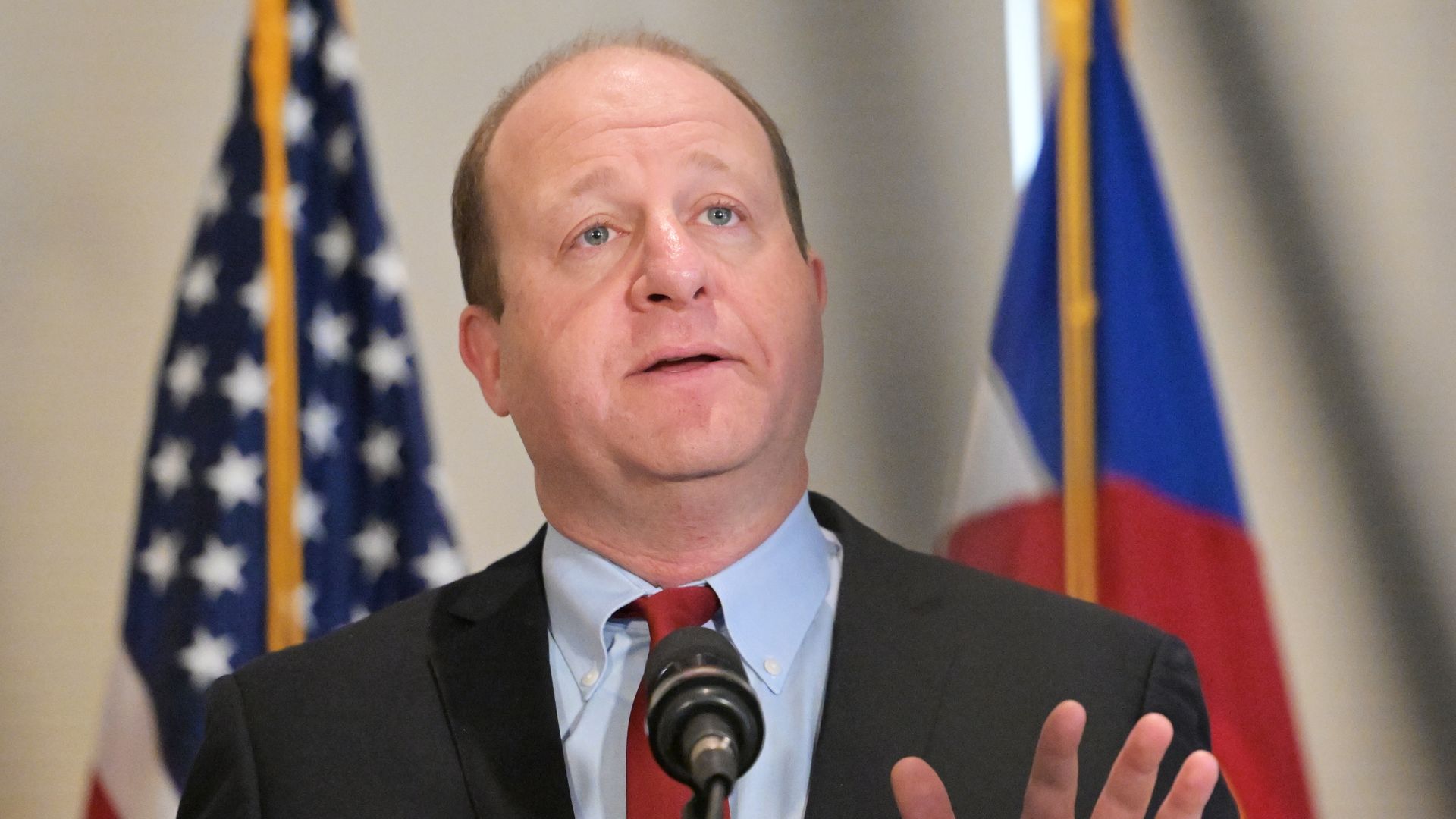
Colorado Gov. Jared Polis. Photo: RJ Sangosti/MediaNews Group/The Denver Post via Getty Images
Colorado leaders are on high alert after Saturday's U.S. airstrikes on Iran's nuclear facilities, Monday's retaliatory missile attacks on an American military base in the Middle East, and a new U.S.-brokered ceasefire between Israel and Iran that's already proving shaky.
Why it matters: Colorado is home to some of the U.S. military's most critical infrastructure, including Space Force bases, satellite command centers and missile warning systems — all of which could be viewed as strategic targets if tensions escalate.
What they're saying: The state "has not been made aware of any Colorado-specific threats" but is working with local and federal agencies to monitor for "suspicious activity" to the state's infrastructure and military assets, Gov. Jared Polis' spokesperson Shelby Wieman told Axios Denver on Monday.
State of play: On Sunday, Polis and other U.S. governors were briefed by Homeland Security Secretary Kristi Noem following the release of a National Terrorism Advisory System bulletin outlining a heightened national threat environment.
- As of Monday, Denver International Airport remains in business-as-usual mode, a spokesperson told Axios Denver, with no changes to operations or security protocol.
Context: That's because the U.S. State Department's new "Worldwide Caution" alert issued in the wake of Saturday's strikes is focused on potential threats to Americans and U.S. interests abroad, not domestic travel.
- DIA said it "will adhere to federal guidance should conditions change."
Meanwhile, Denver's Office of Emergency Management is "actively monitoring the situation," spokesperson Loa Esquilin-Garcia told Axios, and encouraging the public "to be prepared, vigilant [and] aware of their surroundings, and to report suspicious activity to state and local law enforcement."
Threat level: U.S. officials have warned of cyber attacks, travel disruptions, demonstrations and heightened security following the strikes.
Yes, but: The ceasefire — if it holds — could significantly lower, or even eliminate, those risks.
- President Trump told Axios' Barak Ravid in a phone call: "This is the end of the war. It is a great and wonderful thing for Israel and the world."
Zoom in: Colorado is a hub for national security assets, including:
- Buckley Space Force Base in Aurora, which houses the Space-Based Infrared System (SBIRS) — the eyes and ears of the U.S. missile warning system.
- Schriever and Peterson Space Force Bases near Colorado Springs, which manage satellite operations, global communications and defense tracking.
- The Cheyenne Mountain Complex, a Cold War-era bunker that's still active as a secure backup for the North American Aerospace Defense Command (NORAD).
Between the lines: Colorado's high-value military footprint makes it a strategic asset — but also a potential vulnerability — in any conflict where space-based systems and communications infrastructure may be in the crosshairs.
What we're watching: Any signals of increased security in sensitive areas, including places of worship, and growing protest activity. Already, at least one rally denouncing the U.S. strikes took place Sunday outside the state Capitol in Denver.
The bottom line: For now, it's calm in Colorado. But officials aren't treating this moment as routine.
- In a Saturday statement, Polis said the state will "remain vigilant."
Editor's note: This story has been updated with additional details throughout.