Denver's license plate surveillance system faces critical vote

Add Axios as your preferred source to
see more of our stories on Google.
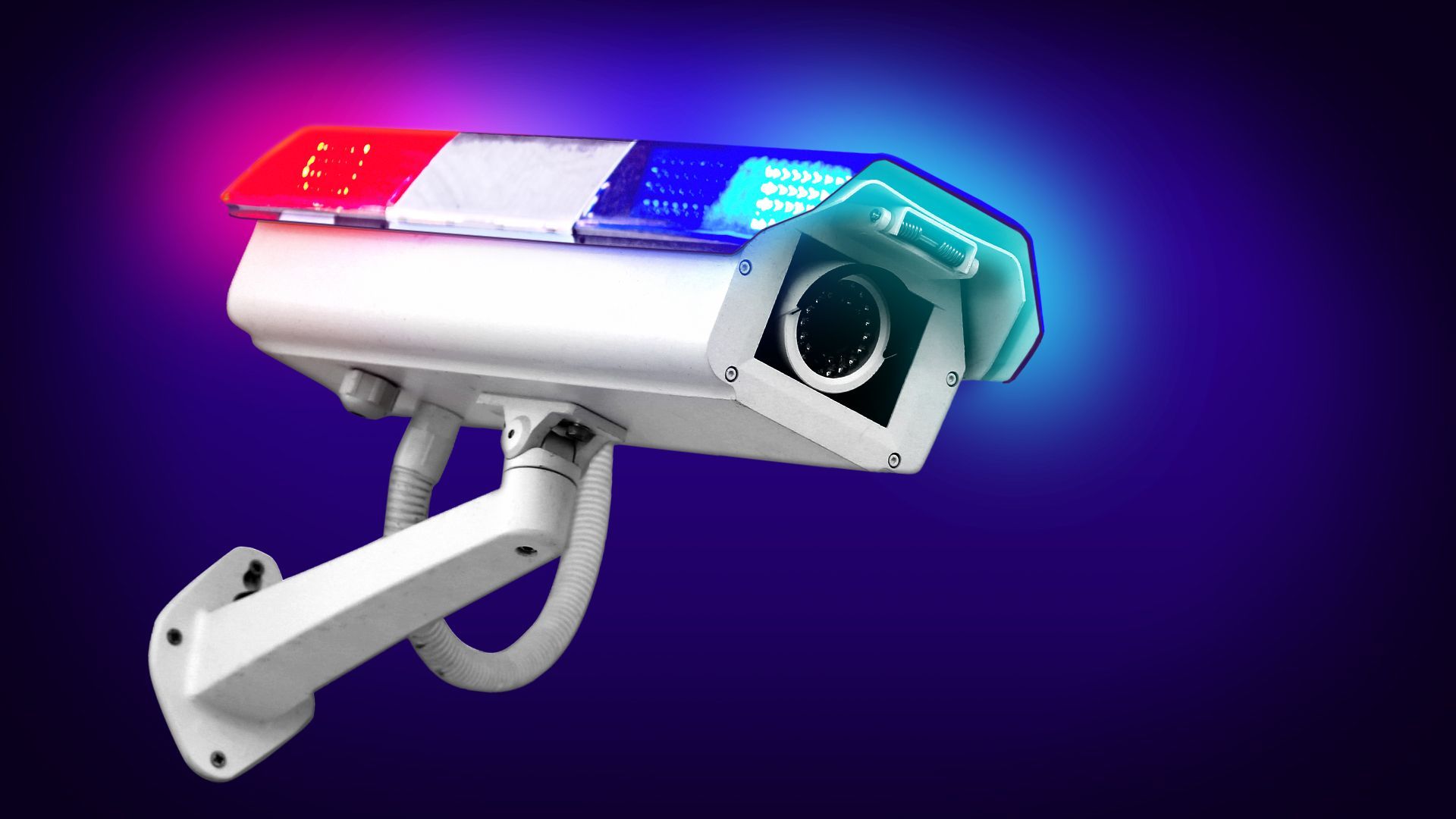
Illustration: Annelise Capossela/Axios
A proposal expanding the contract duration for Denver police's license plate reader system is raising concerns about the surveillance tool's potential misuse.
Why it matters: In other jurisdictions, similar systems that provide law enforcement with real-time data have already been exploited by federal agencies, including Immigration and Customs Enforcement.
By the numbers: Denver police want to add $666,000 to an existing contract with Flock Group Inc. that would expand its services two more years to continue operating the 111 cameras already installed at 70 locations citywide.
- This would bring the contract's total to just over $1 million.
State of play: Denver police commander Jacob Herrera last month said any agency requesting department data must "sign and attest" they won't give information to ICE.
- However, the ACLU, which opposes using such tech to share data, says a records request completed in Northern California this year from a similar ALPR system operated by a different company showed ICE gained access to a database to monitor more than 5 billion data points.
What they're saying: ACLU Colorado senior policy strategist Anaya Robinson tells us the public's right to privacy should be considered: "The community should have a say in whether or not they are willing to give that up."
Context: The devices, called automated license plate readers (ALPR), photograph car plates and feed them into a searchable database owned by DPD.
- DPD credited the tech with helping reduce car thefts after a spike in 2022, and it says ALPRs helped investigations of more serious crimes, including two homicide cases.
- 81 law enforcement agencies throughout Colorado have access to data gathered by DPD.
How it works: The cameras photograph license plates, then compare them to those of cars flagged by other agencies in the state and across the country, Herrera said last month.
- The devices can alert police in real time to the location of stolen vehicles, Herrera said. Data is retained for 30 days, but search records — basically, who conducts a query — are kept indefinitely.
- It's up to individual agencies to decide who can access their data, Flock spokesperson Holly Beilin tells us.
Yes, but: Denver City Councilmember Sarah Parady tells us she has concerns about the proposed contract, saying: "I can't vote for this."
Her top concerns include:
- Storing thousands of license plate photographs that aren't connected to any crime.
- The technology leading to wrongful arrests.
- And data being used by police agencies who are friendlier with agencies such as ICE.
Between the lines: Mayor Mike Johnston supports the expanded contract, with a spokesperson saying it will "help address auto theft without sacrificing our shared values and residents' privacy," per a statement.
- Johnston's strategy to reduce these thefts called for using the devices.
What's next: The Denver City Council is scheduled to consider the contract during Monday's meeting.