Denver delays vote on "junker" vehicle crackdown following ACLU outrage

Add Axios as your preferred source to
see more of our stories on Google.
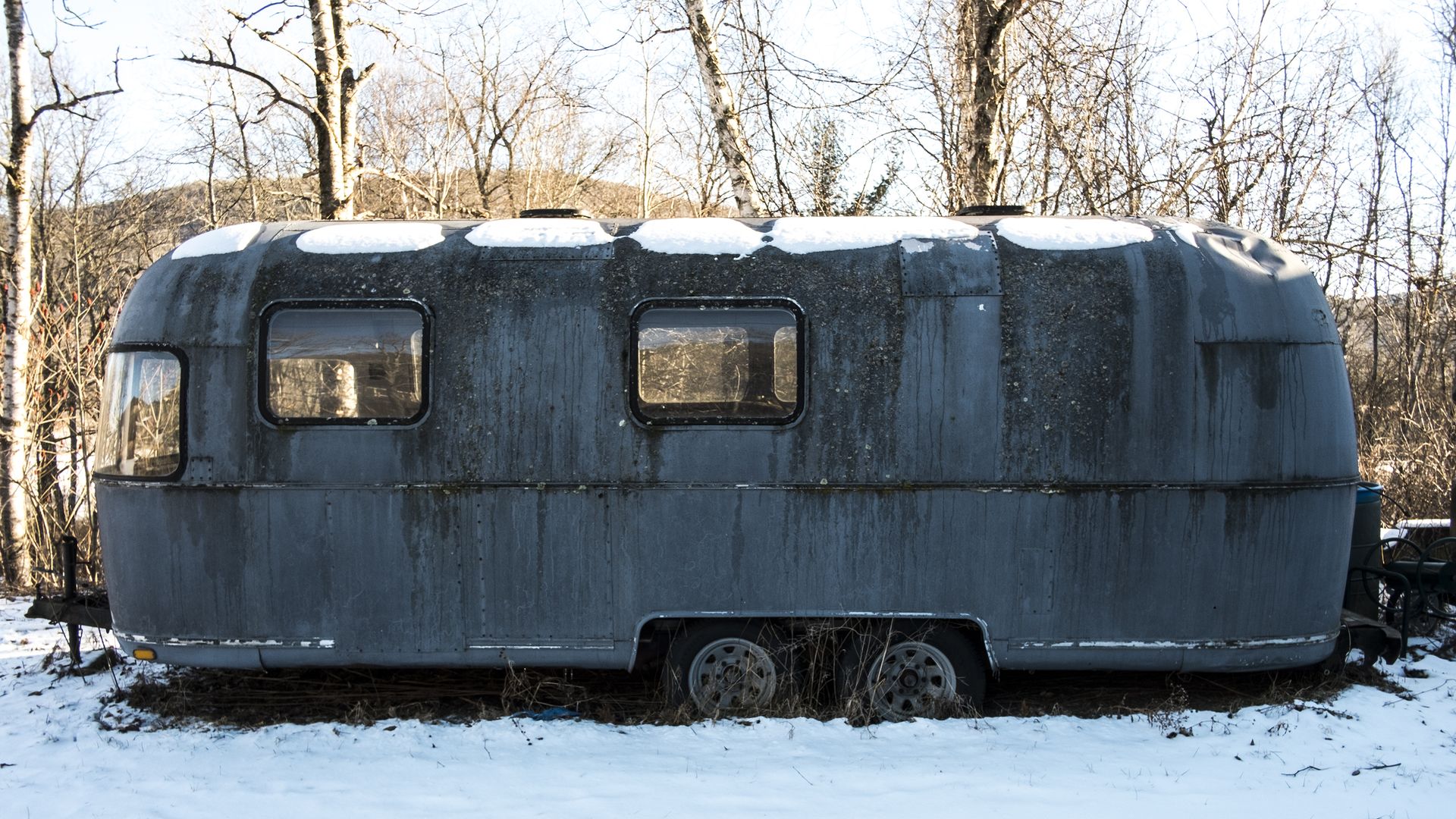
An abandoned motor home. Photo: Bill Tompkins/Getty Images
Denver's proposed parking rules aimed at abandoned "junker" vehicles have drawn high-profile pushback for overreaching, potentially perpetuating poverty and lacking public input.
Driving the news: The ACLU of Colorado on Monday penned a five-page letter to Denver City Council members, urging them to postpone the final vote and allow for additional feedback from the community — a request the council honored, in part.
What's happening: A "major policy change like this one — which could set Denver backwards on more effective and more humane approaches to the housing crisis — should wait until after the [municipal runoff] election to explore how it would intersect with other policy solutions and approaches," Anna Kurtz, an attorney at ACLU of Colorado, wrote in the letter.
- The council agreed to delay its vote — but only by a week — to look into issues the ACLU raised, proposal co-sponsor Jolon Clark tells us. The runoff election isn't until June 6.
What they're saying: The ACLU's concerns include "overly broad" provisions that could invite "discriminatory surveillance and policing" of marginalized communities, and penalties that could "exacerbate" unsheltered homelessness with fines and tows of their possessions.
- Advocates for people experiencing homelessness also oppose the plan for appearing to target low-income residents living in RVs, they tell Axios Denver.
Catch up quick: The measure, introduced in mid-April, would make it harder for "junker" vehicles to stay parked in the same place for long periods of time.
- It broadens the definition of a "junker" to include non-motorized pull-behind trailers, and allows city officials to more easily enforce the law by reducing the pre-seizure notice period from 72 hours to 24 hours.
- The new rules would also increase the distance that a vehicle must move after 72 hours to 700 feet, the average size of a city block — up from the existing requirement of just 100 feet.
Of note: The plan was softened in late April after some council members took issue with parts of the proposal.
- The initial draft would have required that a car of any size be moved 700 feet after being parked there for three days. But an amendment now clarifies that cars less than 22 feet in length are exempt.
The big picture: As written now, it's illegal under city ordinance for anyone to leave their car parked on a residential street for over 72 hours without moving it.
- However, the city does not actively enforce the policy as it is complaint-based, officials say.