Dawn of the dead wood: How to spot zombie trees

Add Axios as your preferred source to
see more of our stories on Google.
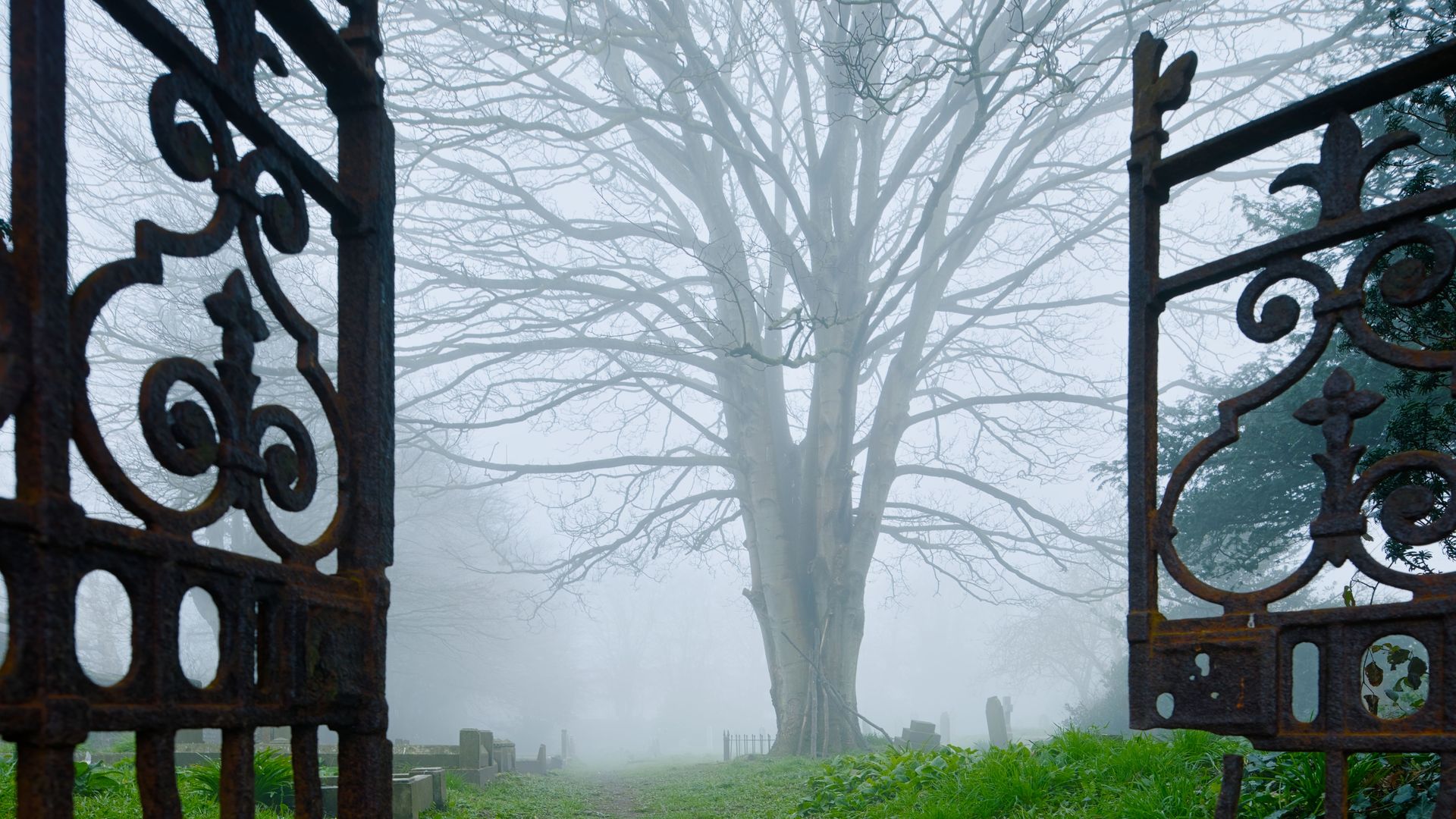
Your trees could be the spookiest thing in your yard this Halloween. Photo: Slawek Staszczuk/UCG/Universal Images Group via Getty Images
Zombies in scary movies emerge dramatically from underground or shriek to announce their presence — but in your backyard, they might be hiding in plain sight.
Why it matters: The undead you might actually need to worry about are "zombie trees," which can appear perfectly healthy until they topple onto your house.
State of decay: A tree's demise can be a long, subtle process caused by a number of conditions.
- Root rot, fungi, pathogens, bacteria and destructive species like the emerald ash borer can damage a tree enough to leave it vulnerable, Davey Tree arborist Michael Cassidy tells Axios.
Some conditions fit the Halloween theme nicely.
- There's spooky-sounding fungi dead man's fingers and brittle cinder or bacterial disease slime flux, which Cassidy says looks like, "a soaking, stinking trunk" with "a huge wound."
- "I guess it's closest to the zombies from 'The Last of Us,'" Cassidy says with a laugh. "Fungal-based zombieism."
Zoom in: Some tree species are more at-risk than others.
- Ohio's oak trees are susceptible to deadly oak wilt; the destructive Dutch elm disease threatens elms; blue spruce are so vulnerable to Rhizosphaera needle cast that Cassidy says they're no longer "a viable species" here.
Yes, but: Dying trees can look normal and healthy to the untrained eye.
- "You can have enough fibrous root growth that it's still collecting nutrients and can have a perfectly full canopy, even on a tree that's severely compromised in the root zone," Cassidy says.
Threat level: That's when things get dangerous.
- Very wet conditions, strong winds, ice storms and heavy snow can all cause dead or decaying trees to fall.
- Experts like Cassidy make "the targets beneath" a tree the most important factor in recommending removal.
- If your child's bedroom is nearby, it's probably not worth waiting.
What to watch for: Cassidy's biggest suggestion is to walk around your trees seasonally and track any noticeable differences.
- Pay attention to the base, where fungi tend to grow, and take pictures of notable mushrooms.
- If your trees are looking weird, smelling bad or not fruiting normally, it might be time to call a tree professional.
The bottom line: Trees are a beloved part of our spaces — check in this fall to ensure they don't come back to bite you.