Micro Center doubles down on in-store experience

Add Axios as your preferred source to
see more of our stories on Google.
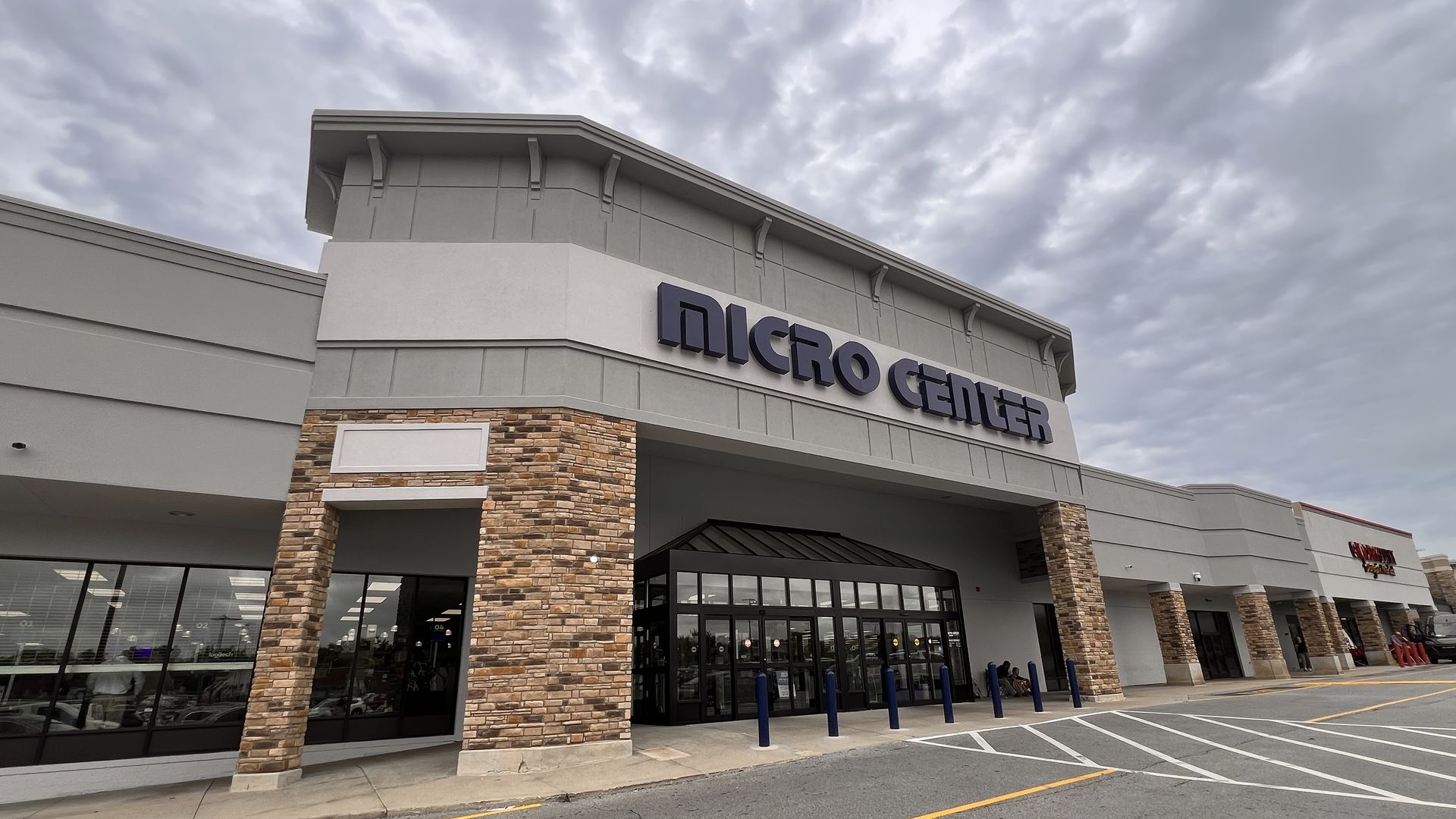
While other retailers emphasize online shopping, Micro Center is doubling down on its in-store experience. Photos: Andrew King/Axios
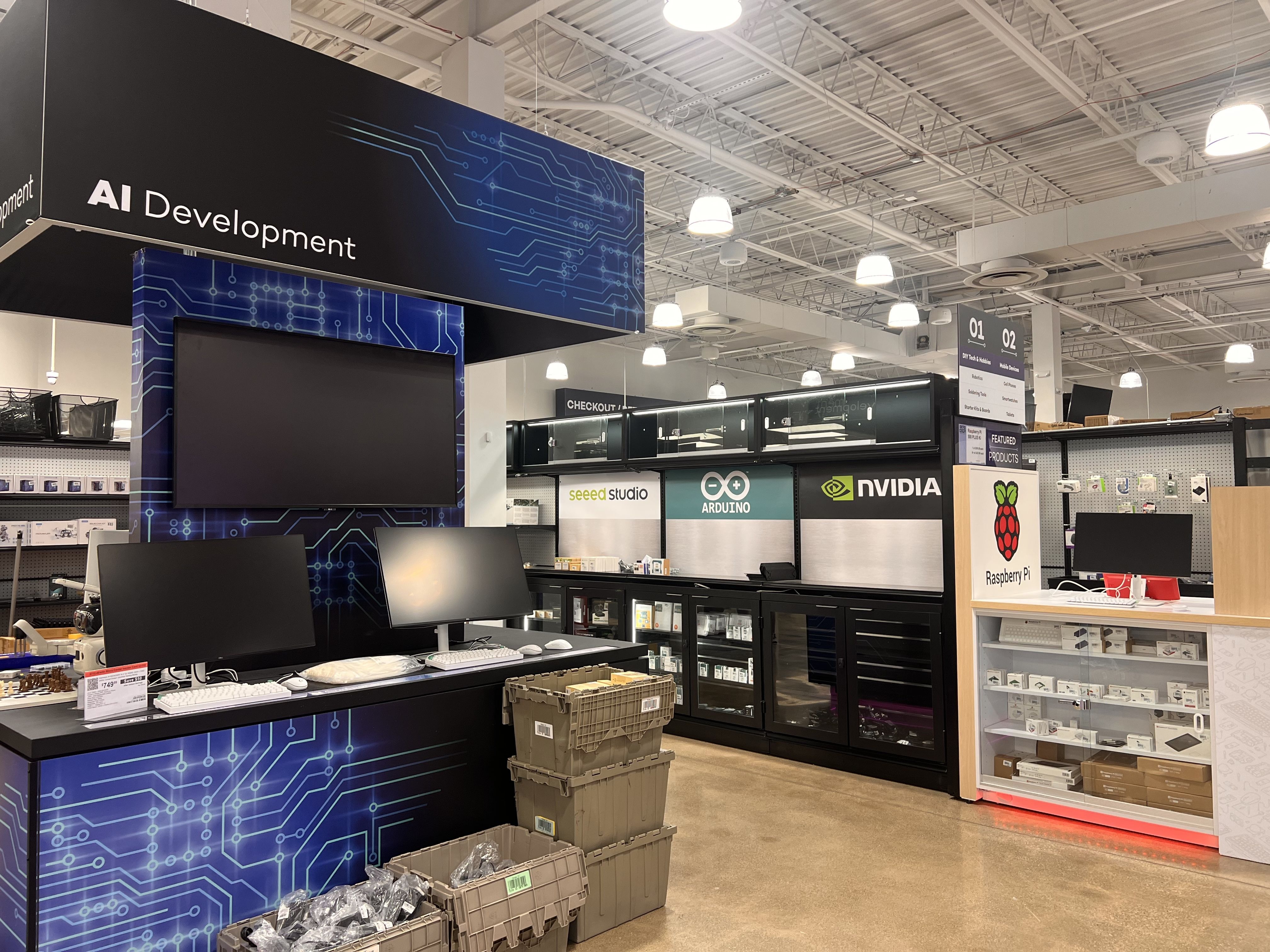
Micro Center is adding AI development space and 3D printing tech as part of a reintroduction to its hometown this weekend.
Why it matters: Micro Center's flagship Columbus store is a notable outlier in the fading electronics retail space.
Driving the news: The company is hosting a grand reopening of its Bethel Road store Saturday, showing off a new look for its "home base" and oldest location.
- The "modernized" revamp also comes with added floor inventory and an emphasis on the Knowledge Bar help center.
The big picture: By any metric, retail electronics sales have plummeted in the online shopping era.
- Online sales for electronics retailers grew from 17% in 2015 to 36% by 2022.
- Even industry kingpin Best Buy now makes 34% of its U.S. sales online.
But Micro Center's customers are still coming in — and they never stopped.
The Micro Center difference is easy to notice.
- I visited (for the first time in years) on a nondescript Thursday morning and found it bustling with dozens of customers and employees.
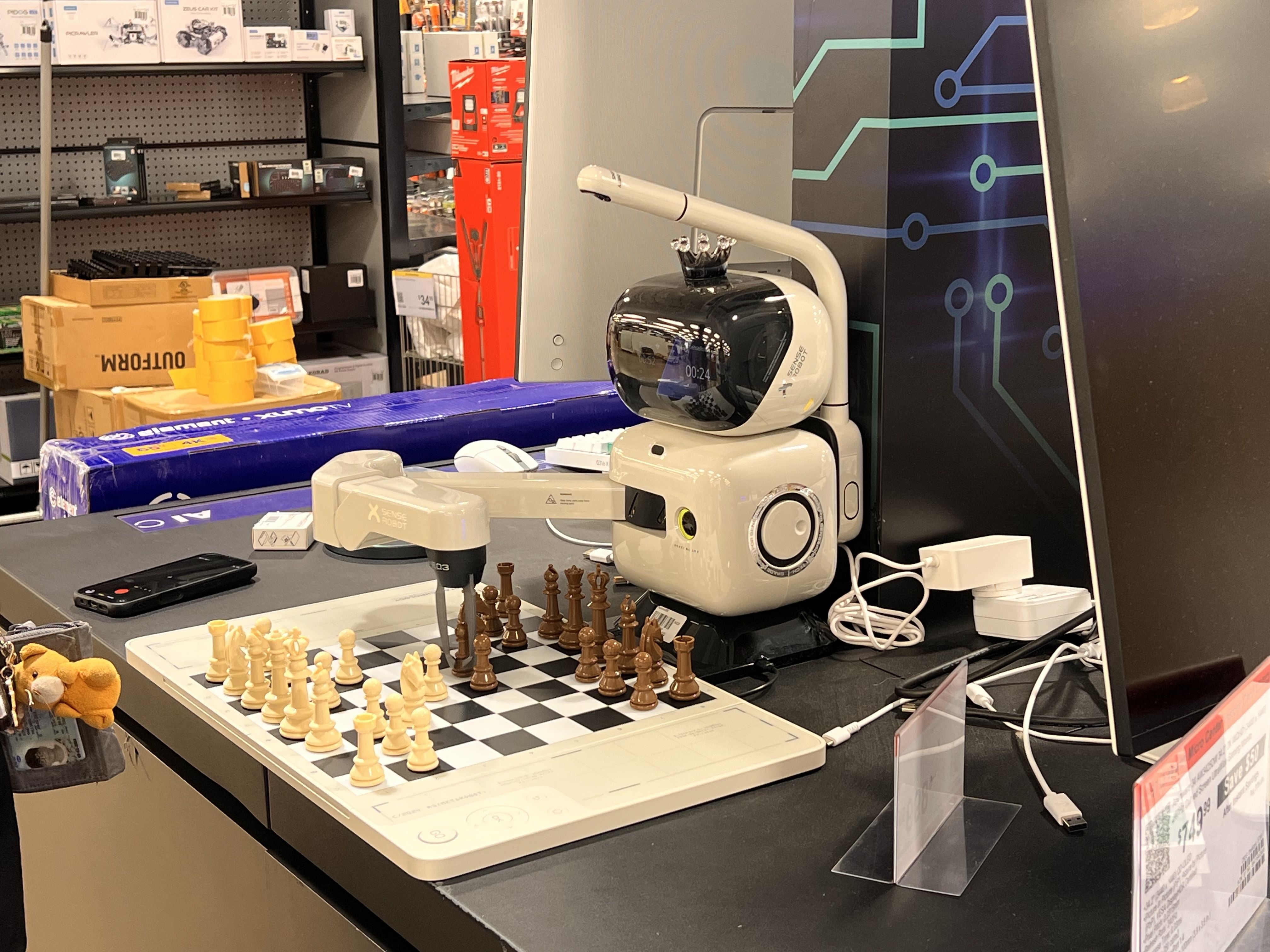
- People worked on tech projects, talked to sales associates, played around with an AI chessboard and messed with display products — it felt like the old days of electronics stores.
What they're saying: Online sales are still a relatively small percentage of Micro Center's transactions, says general manager Tom Welsh, because the store's customers "want to get their hands on things."
- He's been with the company for 40 years, and credits "our people and their knowledge" as the differentiators.
- "We're very fortunate that we never lost sight of who we are."
Flashback: Micro Center was founded in Columbus by former Radio Shack employees John Baker and Bill Bayne in 1979.
- Its first store opened in a small Lane Avenue space now occupied by Whole Foods.
- That location moved to Bethel, and the company put its home office in Hilliard.
Today, "tinkerers" and "enthusiasts" still make up the store's customers, but things like 3D printing materials, AI experimentation and advanced networking are at the forefront.
- "It's still a pretty vast cross-section of the type of people who were here 40 years ago," Welsh says. "I have grandparents bringing grandkids in to buy filament."