"Human composting" may be coming to Ohio

Add Axios as your preferred source to
see more of our stories on Google.
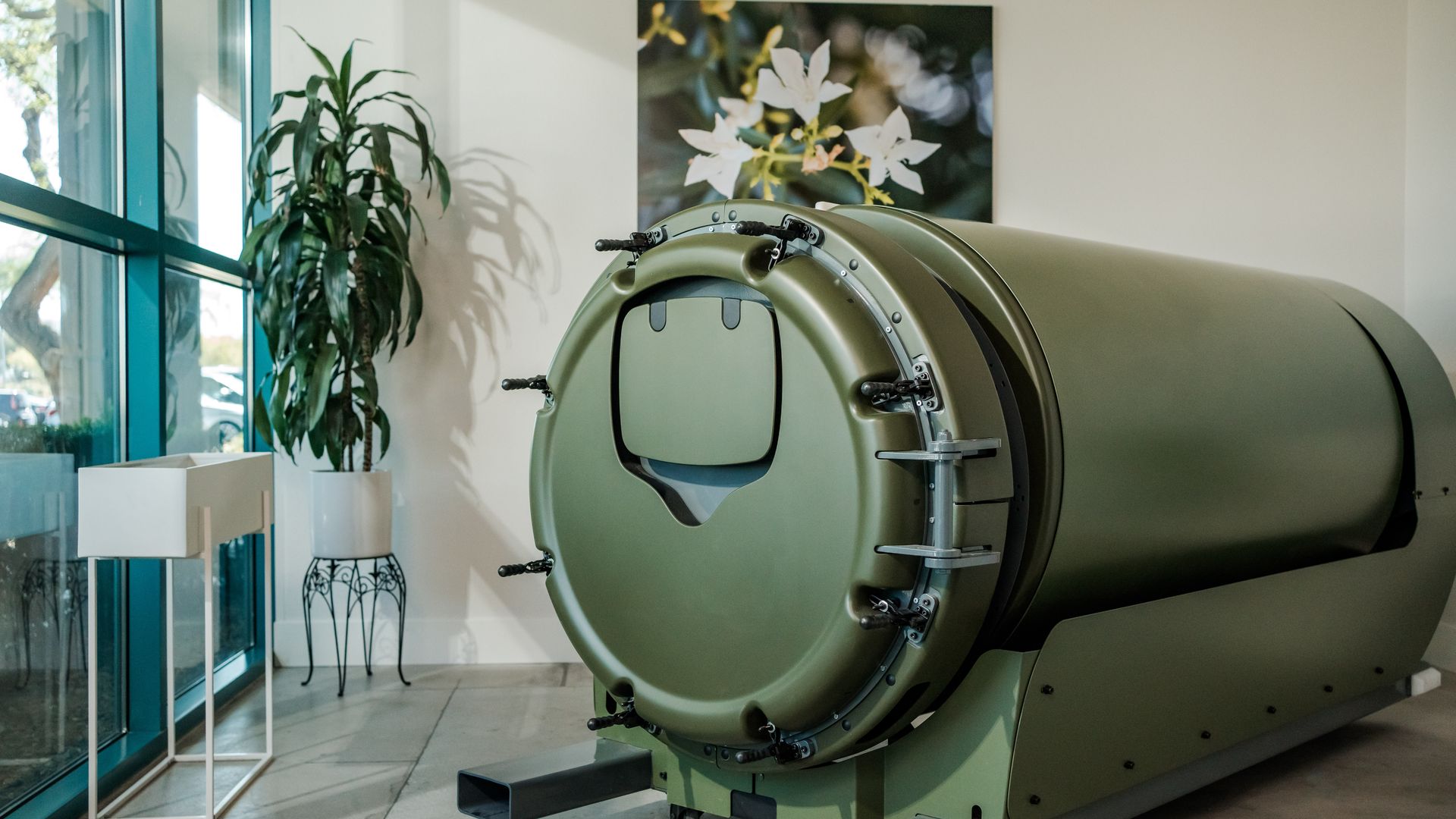
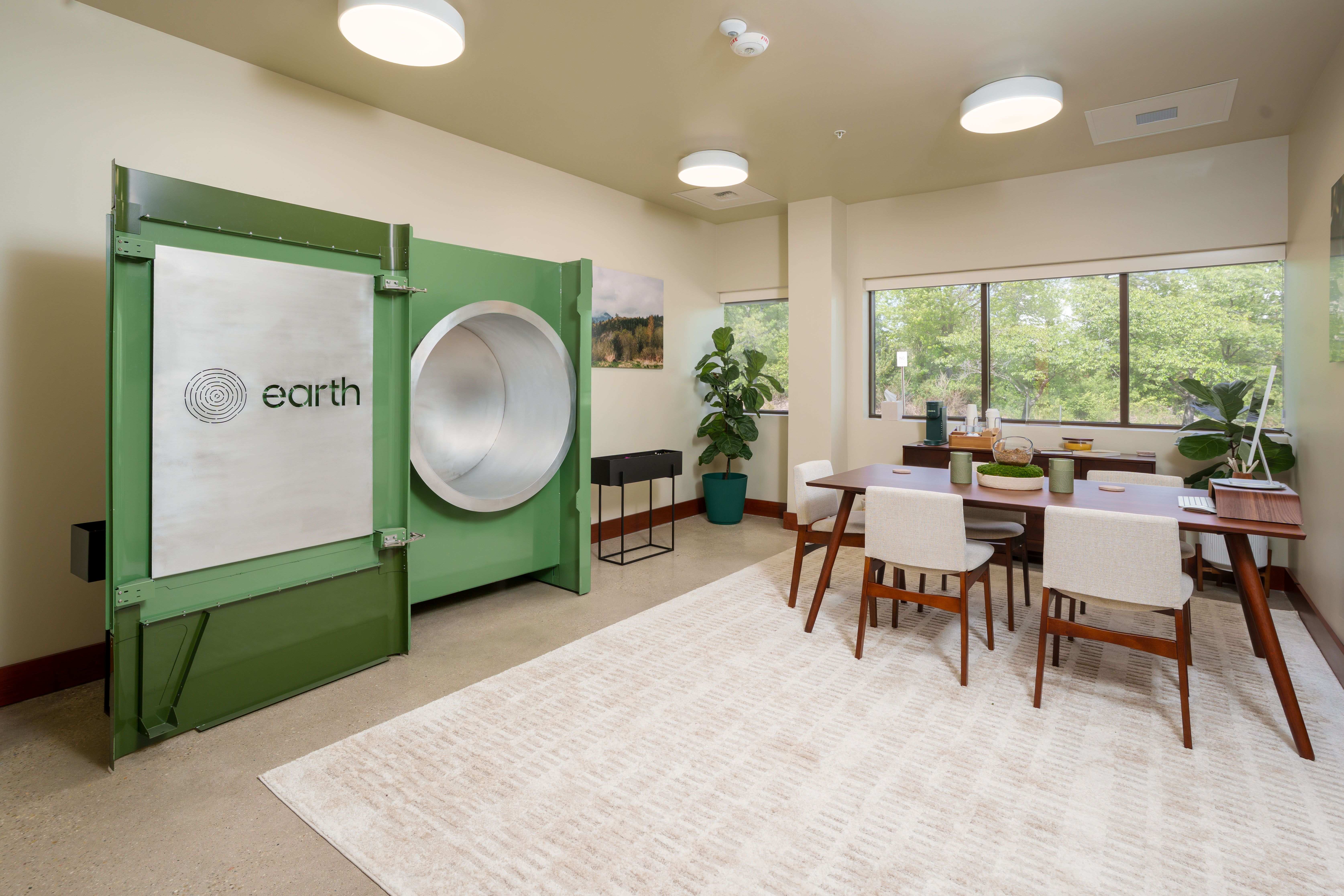
The human composting process involves wrapping a body in a biodegradable shroud inside a stainless steel vessel like this one. Photos: Courtesy of Earth Funeral
An Ohio legislator and national funeral company are working to give residents a new option for their remains: "human composting."
Why it matters: The burial method is gaining popularity across the country and drawing hundreds of curious Ohioans — but it's not currently legal in the state.
How it works: Also known as "soil transformation" or "organic reduction," the process wraps a human body in a biodegradable shroud inside a stainless steel vessel with mulch, wood chips and wildflowers.
- Over the course of 45 days, natural microbes turn the body into about 250 pounds of "nutrient-rich soil."
- Families can use that soil to plant a tree or garden, spread it somewhere meaningful or donate it to conservation projects.

Between the lines: The service, which costs about $6,000, is popular among nature lovers and conservationists.
- Traditional burial uses chemicals and is expensive and land-intensive, while some find cremation harsh and impersonal.
Zoom in: Washington-based company Earth Funeral launched operations in Ohio last week, and CEO Tom Harries says the company already has inquiries from over 600 families.
- The company's plan, he says, is to eventually spend $15 million on a facility in Ohio.
Yes, but: An Ohio resident who wants to undergo a soil transformation would currently need to have their remains flown to an Earth Funeral site in Maryland, one of 14 states that have legalized the practice.
- Senate Bill 323, introduced last fall by Sen. Louis Blessing III (R-Colerain Twp.), seeks to legalize it here.
What they're saying: Cleveland resident Lisa Fabbro said on a conference call with reporters she's an "early supporter" of the method, and hopes to be able to stay in Ohio when it's time.
- "I would like to not have to have my body flown to another state. The environmental impact of doing that, I'm not crazy about."
The other side: At a March hearing, the Catholic Cemeteries Association, Catholic Conference of Ohio and Cincinnati Catholic Cemetery Society testified in opposition.
The bottom line: Blessing told WCMH-TV in March that "at its core," the bill is about personal choice.
- "Natural organic reduction might not be the right choice for everyone, but we should respect and allow this choice for those who want it because it reflects their values."