Throwback Thursday: Remembering Jesse Owens

Add Axios as your preferred source to
see more of our stories on Google.
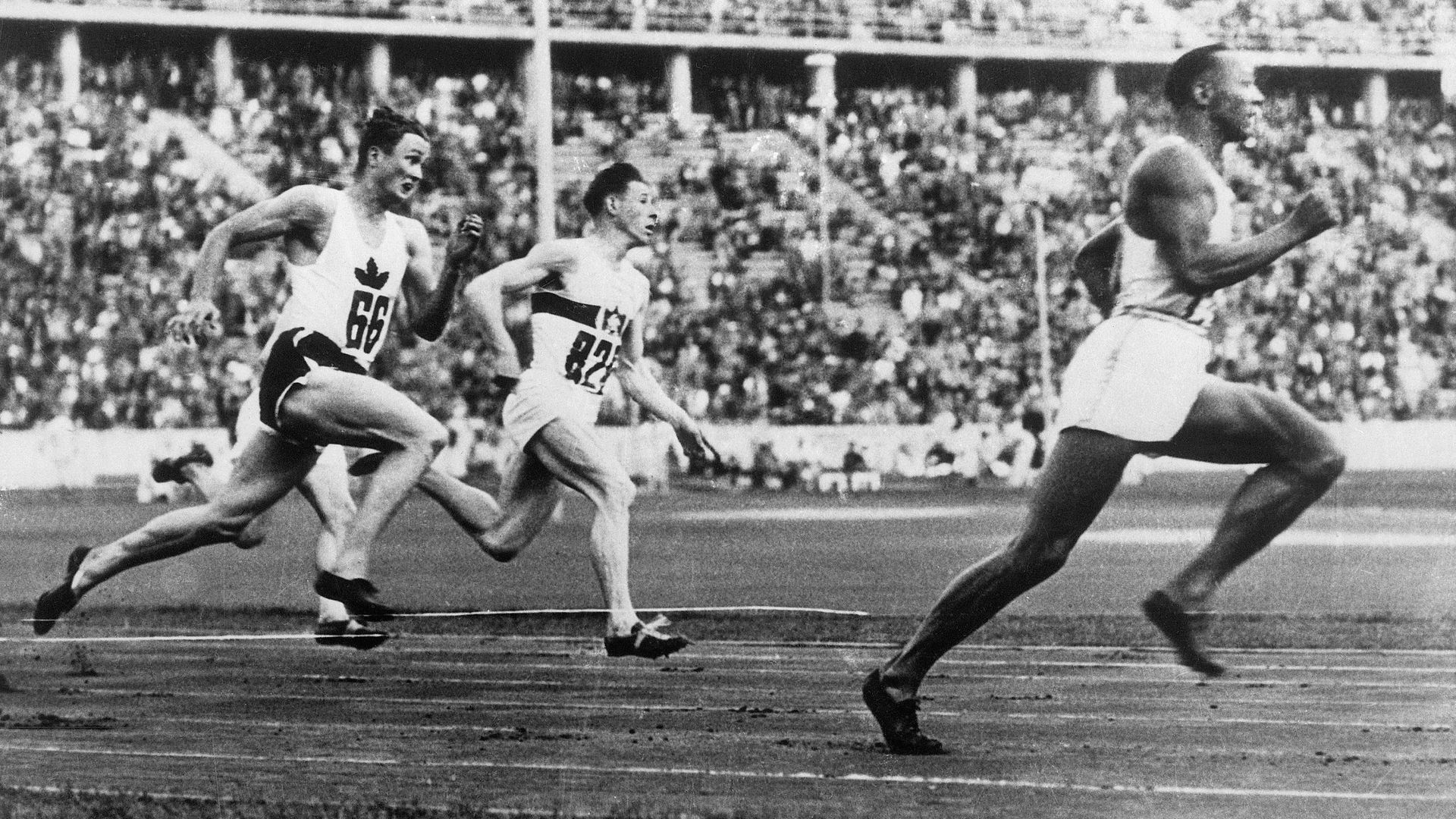
Our historical marker tour heads to Jesse Owens Memorial Stadium — just in time for the state high school track and field championships which now bear the iconic athlete's name.
Flashback: Owens is famous in sports history for having won four gold medals at the 1936 Berlin Olympics, "frustrating Adolf Hitler's attempt to showcase Aryan superiority," per the marker at 2450 Fred Taylor Drive.
- Before that, he set various state, national and world records in sprinting and jumping events as a student in Cleveland.
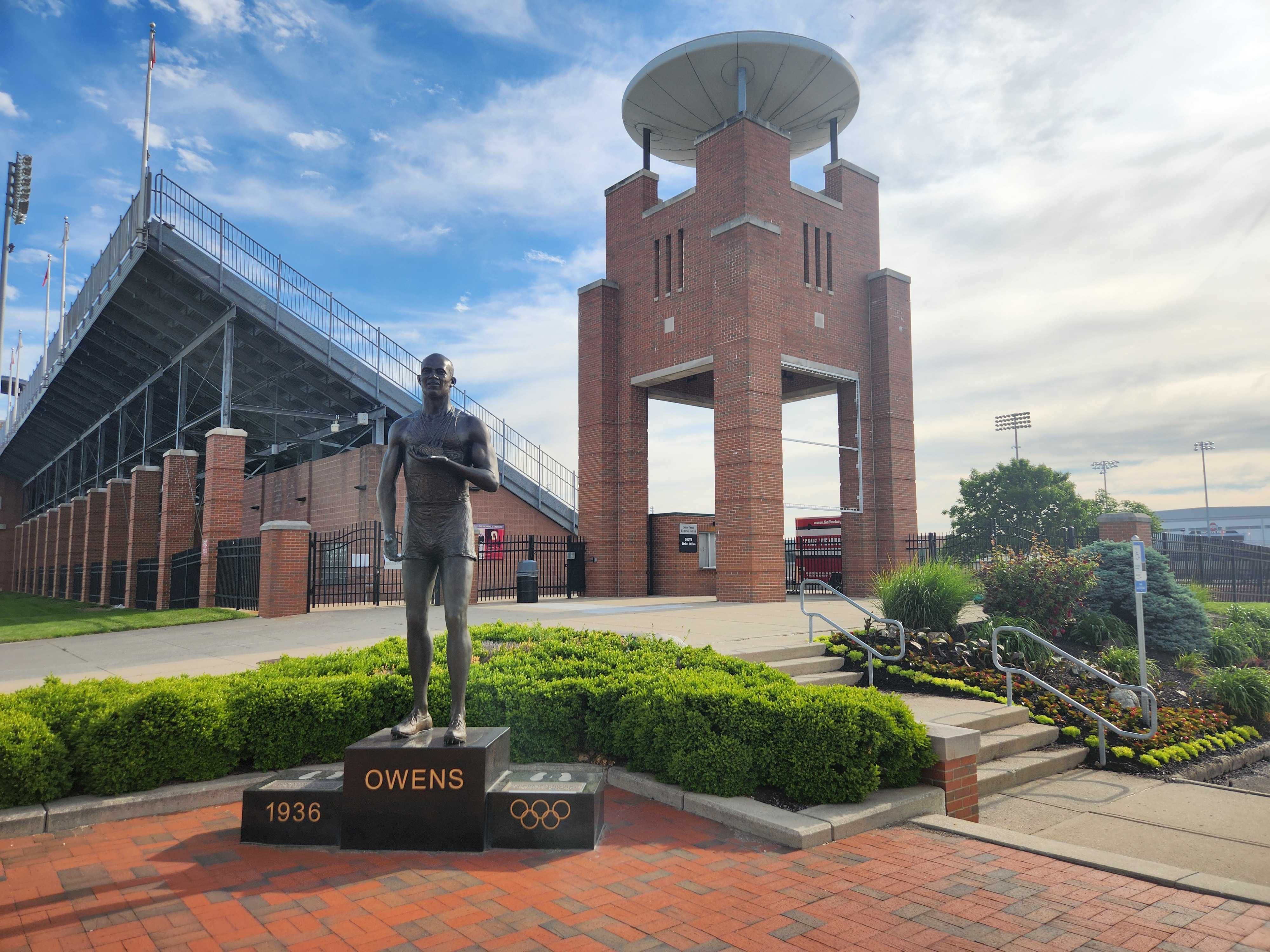
Owens' dominance continued at Ohio State and his performance at the 1935 Big Ten Championships is the stuff of legends.
- In a span of just 45 minutes, he set or tied six different world records.
Yes, but: Despite that hero status, Owens resided in the Hilltop because Black students were not permitted to live on campus at the time.
- He also had to eat at segregated restaurants and stay at segregated hotels while traveling with the team.
- President Franklin Delano Roosevelt notably "snubbed" Owens following the '36 Olympic Games.
🏅 Owens was awarded the Medal of Freedom in 1976 and died in 1980.
- The marker notes President Jimmy Carter's tribute: "His personal triumphs as a world-class athlete and record holder were the prelude to a career devoted to helping others."
5️⃣9️⃣ down, 68 to go.