Peek inside Columbus' AI-powered recycling center

Add Axios as your preferred source to
see more of our stories on Google.
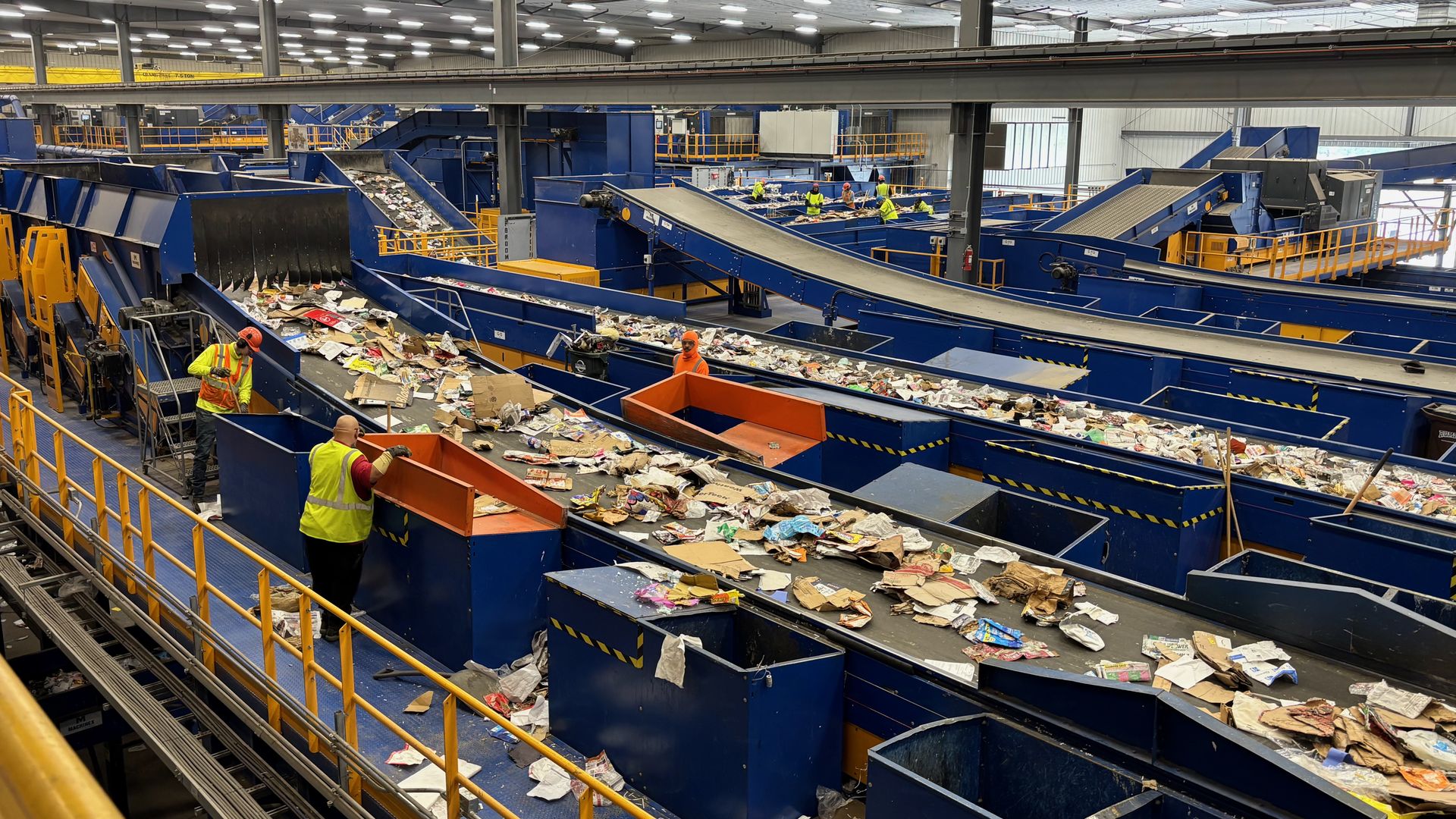
Workers sift through recyclables before they head into the sorting machinery at Rumpke Recycling & Resource Center. Photos: Alissa Widman Neese/Axios
A crushed bottle zips along a crowded conveyor belt, and in a split second, a puff of air blasts it into a pile of plastics.
Why it matters: Inside Rumpke's new Recycling & Resource Center, an AI-powered system makes over 1,000 of these decisions per minute.
- The tech is sorting our recyclables more quickly and efficiently, keeping trash out of Ohio's landfills and reducing greenhouse gas emissions.
Catch up quick: The 226,000-square-foot center opened in 2024 near Linden, billed as the "largest and most technologically advanced recycling facility in North America."
- The $100 million investment was strategic, as Central Ohio is growing rapidly — and more people means more waste, Rumpke spokesperson Leah Dietle tells Axios.
- Axios recently toured the facility to see the process firsthand.
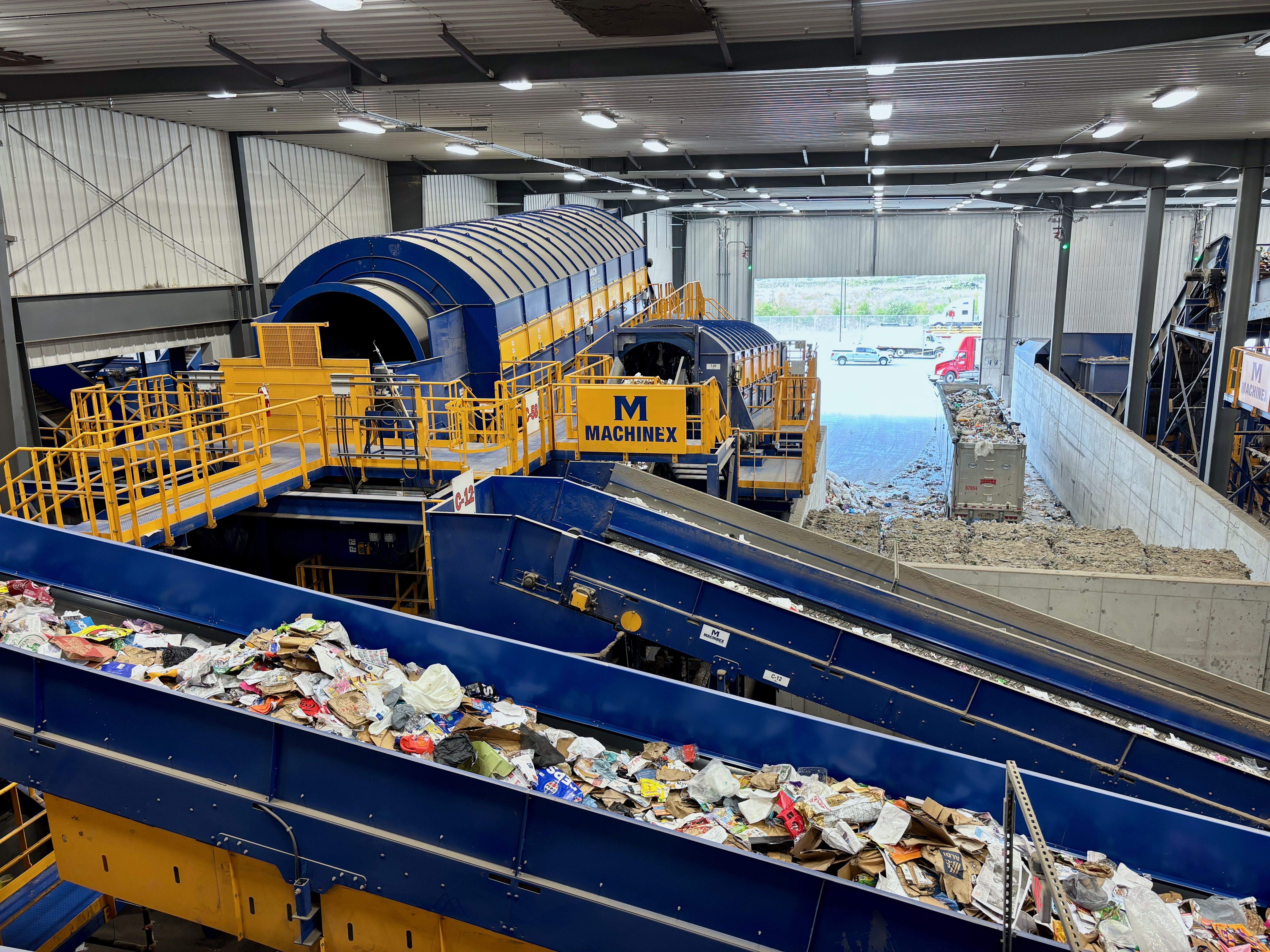
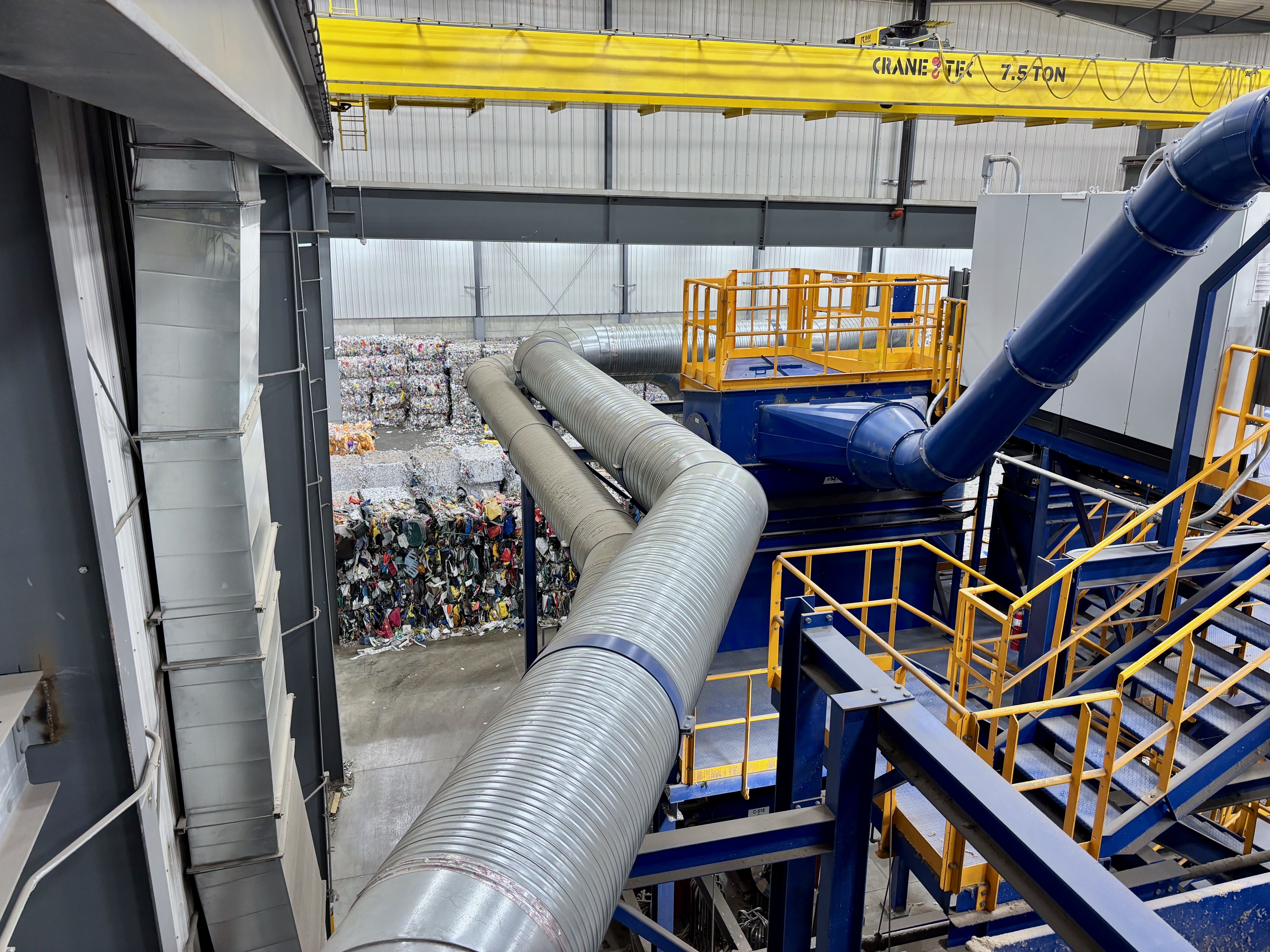
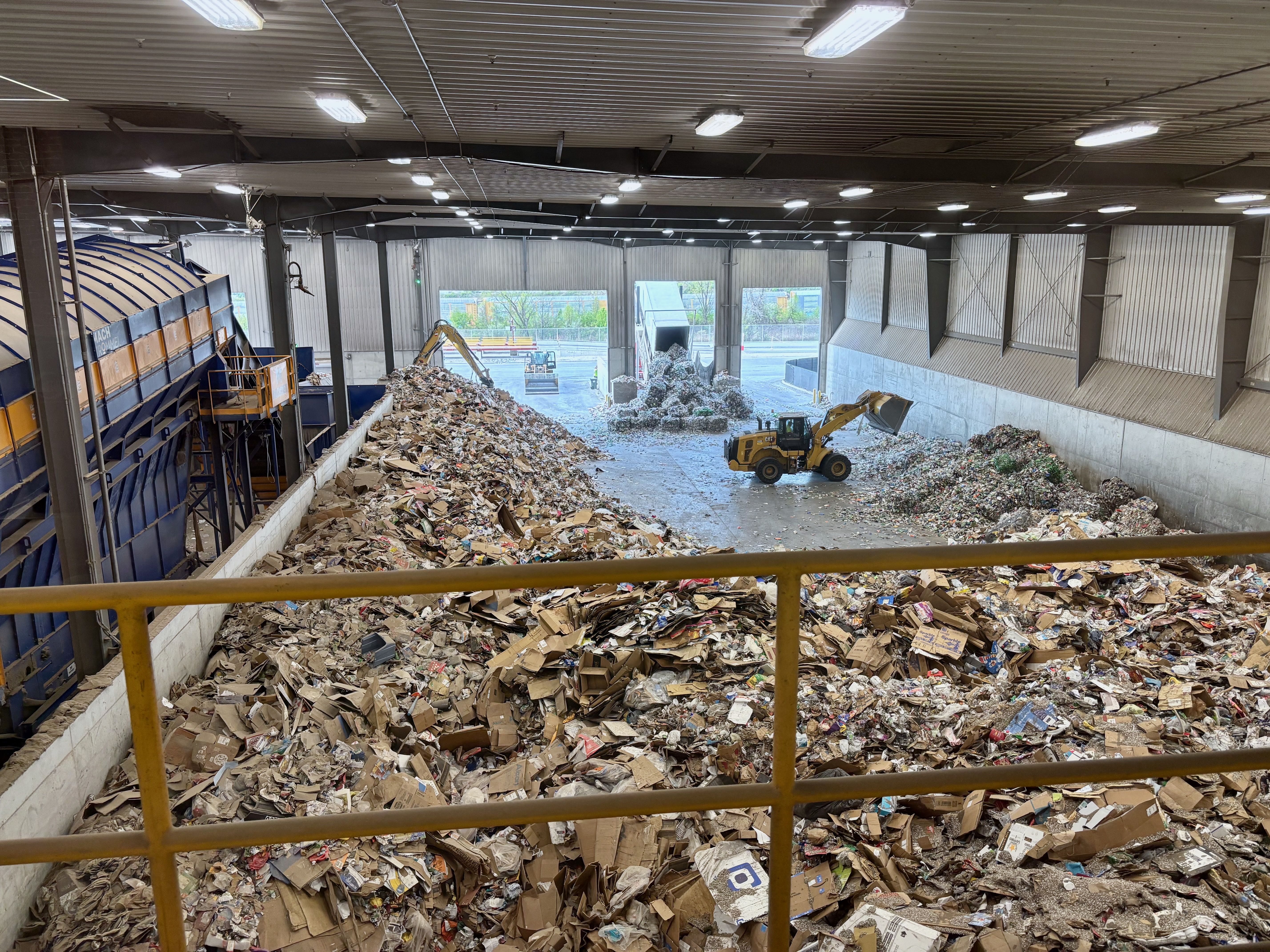
How it works: Truckloads of materials pour onto a warehouse floor, where excavators scoop them into a complex system of sorting machinery.
- Giant tubes full of holes, called trommels, spin and sort items by size onto conveyor belts.
- Workers pluck out non-recyclables by hand and magnets remove metals.
- Eventually, the paper, plastic and metal is compacted into giant blocks and sold to manufacturers for reuse.
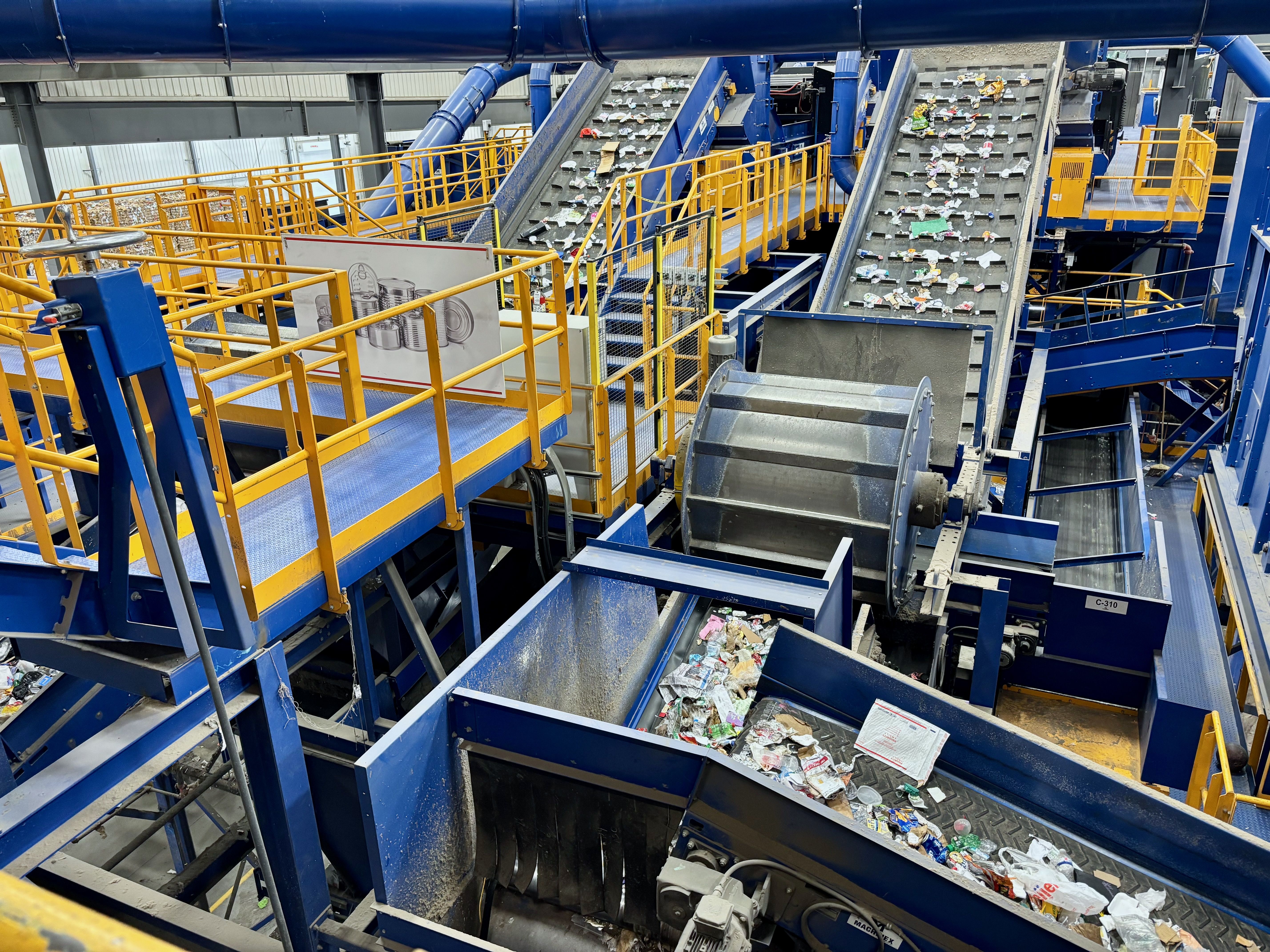
Between the lines: Automation reduces the need for manual sorting, a dirty and often dangerous job.
- AI-powered optical sorters scan and identify recyclables by size, shape and color and sort them with blasts of air.
- Other units can distinguish between various types of plastic, Dietle says.
Stunning stat: The plant can process up to 500 million pounds of recyclables annually and serves over half of Ohio counties.
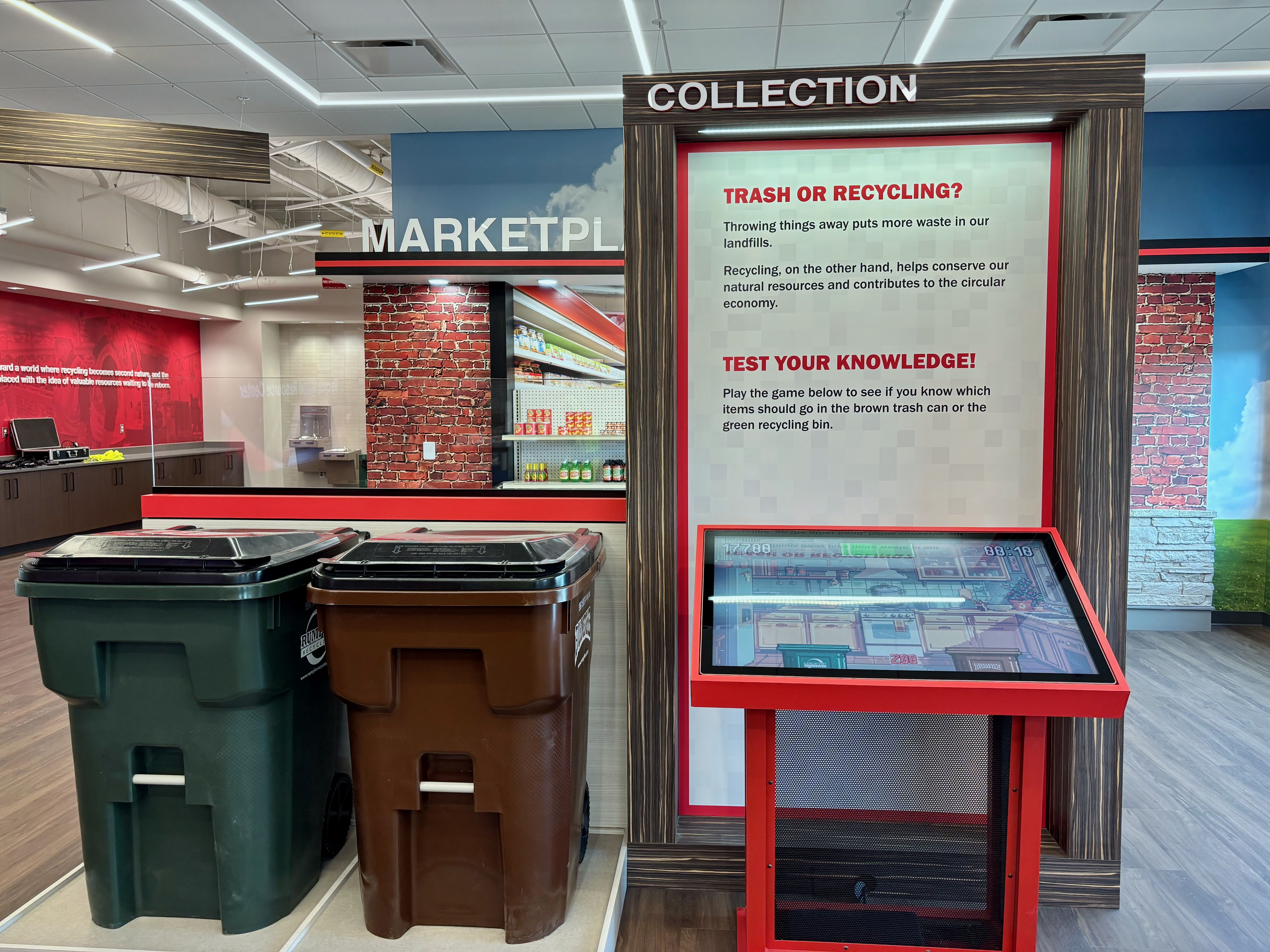
1 fun thing: The building also features an interactive education center created in partnership with Ohio State University and COSI, which teaches visitors through games and displays.
The other side: The recycling industry has its skeptics, especially when it comes to plastics.
- Some facilities can't process them all and they end up in landfills anyway.
- Dietle says Rumpke's center shows what's possible when the system works as intended, with a 98% recovery rate.
Where it goes: Most bales are shipped to places throughout Rumpke's service area. That includes Advanced Drainage Systems in Hilliard, which turns plastic into pipes.
The bottom line: "We wouldn't have invested in it if it wasn't helping," Dietle says.
Stop by: Book a tour online.
Zoom in: What we're recycling the most


All those empty Amazon boxes have to go somewhere, right?
The good news: Cardboard is not only one of the nation's most-recycled materials, it's also one of the most easily recycled materials.
Pro tip: Flatten your boxes to save space and make sorting easier.
Pro tips: How to recycle right
If you've ever crossed your fingers and tossed something into the recycling bin, you may be doing more harm than good.
Why it matters: "Wishcycling" contaminates streams of otherwise recyclable materials and can result in all of it going to the landfill.
- Some items can even damage equipment or injure workers.
Threat level: "Tanglers" like plastic bags, garden hoses and dog leashes are especially problematic.
- And batteries — which should never go in any bins — are among the most dangerous, as they can explode and ignite fires.
- That's why Rumpke's new facility has fire prevention tech that scans for hot spots.
By the numbers: About 10-13% of items that arrive there aren't recyclable, Dietle says.
- Nationwide contamination rate estimates are over double that amount.
Pro tip: A recycling symbol on an item doesn't automatically mean it's recyclable locally. Those actually just identify the type of plastic.
Be smart: Instead of guessing, use Central Ohio's searchable Recycle Right tool.
💭 Alissa's thought bubble: I use Hefty ReNew bags for hard-to-recycle items like plastic bags, Styrofoam and plastic utensils. They fill up fast.
- The bags go in your bin, and once at Rumpke's facility, they're pulled out and sent to a specialized location.
- I can confirm that happens — I saw it firsthand!