Why Ohio banned the smelly, ubiquitous Bradford pear

Add Axios as your preferred source to
see more of our stories on Google.
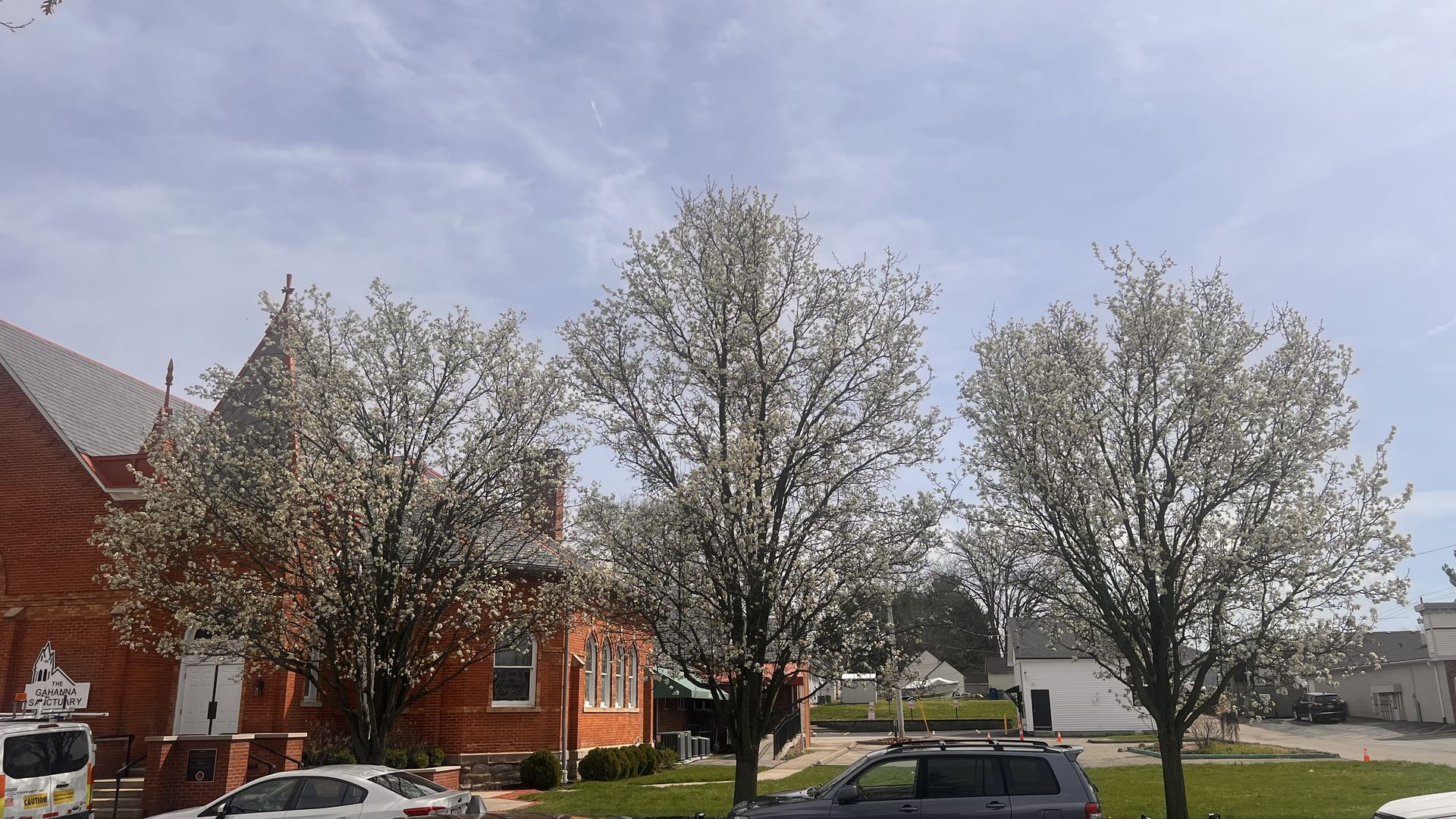
Central Ohio is chock full of Bradford pear trees. Photos: Andrew King/Axios
The days are heating up, the sun is out longer and the smells of spring are in the air. Or is that just the smell of a Bradford pear tree?
Why it matters: The tree is a troublesome invasive species, but it's also one of the most noticeable plants in Central Ohio — among the first trees to bloom each spring and arguably the smelliest.
You've probably walked or driven past a blooming Bradford pear tree this week.
- Their skinny trunks and fluffy white blooms have a distinctly idyllic look, and there are thousands around Columbus.
👃 The intrigue: The tree's most notorious characteristic is its smell when blooming.
- It's been likened to rotting fish, dirty socks and, perhaps most commonly, certain unmentionable bodily fluids.
Flashback: The Bradford pear is a variety of Callery pear, which arrived on the continent from China in the mid-20th century.
- People were annoyed by "the slippery mess caused by pear fruits littering sidewalks," so the Bradford variant — marketed as sterile — and its inedible, slightly toxic fruit grew in popularity.
Yes, but: Unfortunately, it can cross-pollinate with other species, and its seeds are easily spread by wind and birds.
Threat level: That's the main reason the tree is problematic, Ohio Department of Agriculture director Brian Baldridge tells Axios.
- "These are easy to transmit, easy to germinate. And then what happens is they have the ability to push out some of our native species that have been here a long time."
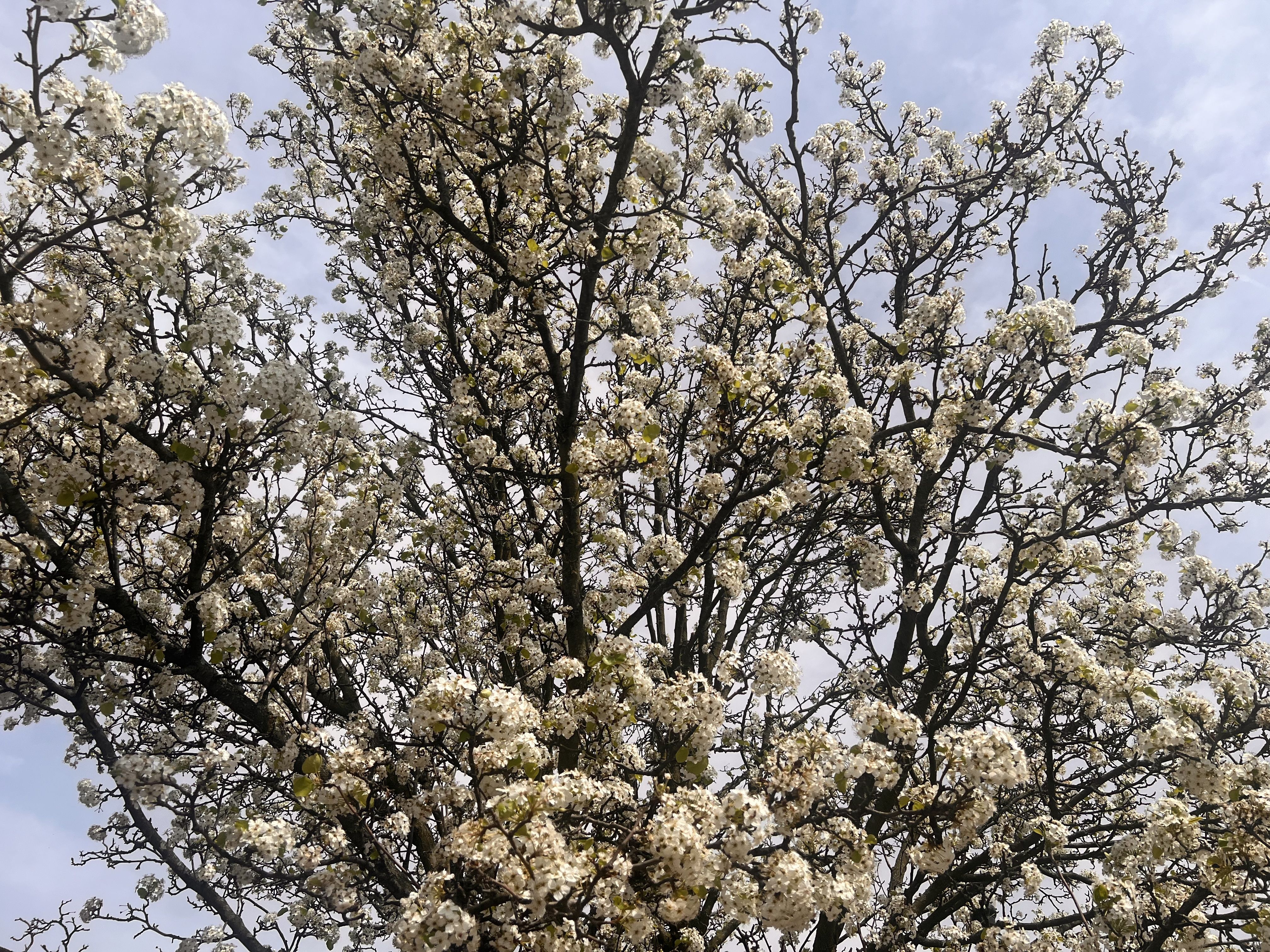
What they did: Ohio was the first state to ban the planting of new Callery pears starting in 2023.
- Others have followed suit.
- Baldridge says the state now encourages replacing existing trees, and works with nurseries to ensure they're out of the retail market.
What you can do: Removing Bradford pears from your property would be ideal — but be sure to treat the stump with herbicide or remove the root system, or it will come right back.
- Ohio State horticulturists recommend substituting native ornamental trees like the serviceberry, white eastern redbud, Carolina silverbell or sweet bay magnolia.
The bottom line: Baldridge hopes people will take initiative and consider removing existing trees, but the problem isn't bad enough to require it — yet.
- "We're not coming in with the heavy hand of government and saying, 'You've got to remove them out of your yard.' We're not at that point yet. We think removing it from retail is a great starting point."