Mosquito season is getting longer

Add Axios as your preferred source to
see more of our stories on Google.


Don't forget your bug spray if you're spending lots of evenings outdoors this summer.
Driving the news: Columbus' number of "mosquito days" — those with the hot, humid weather in which the flying insects thrive — is half a month longer than a few decades ago, according to a new analysis from nonprofit climate news group Climate Central.
Why it matters: Mosquitoes carry diseases such as malaria, West Nile virus, Zika and more.
- Ohio had seven human West Nile cases and one death last year.
By the numbers: Columbus logged 149 mosquito days in 2022, compared with 133 in 1979 — a 16-day increase.
- The report defines a "mosquito day" as one with average relative humidity of 42% or higher, plus daily temperatures of 50-95°.
The big picture: Our 16-day jump is the same as the nationwide average for cities with increases, Axios' Alex Fitzpatrick and Kavya Beheraj report.
- Of 242 locations Climate Central analyzed, 71% had an increase.
- Some locations, particularly in the South, are actually getting too hot for mosquitoes.
Of note: Rainfall and drought can also influence mosquito activity.
- The insects breed in pools of standing water, common after major storms.
What's happening: The Ohio EPA awarded grants totaling $816,000 this month to 41 counties to control mosquitoes through spraying, surveillance, habitat removal and community outreach.
- Delaware received $24,000, and Licking, Pickaway and Union got $25,000 each.
- Over the last seven years, the state EPA and health department have awarded $7.5 million to local health departments and communities for mosquito control programs.
The bottom line: Mosquitos and the diseases they sometimes carry are becoming yet another costly and potentially dangerous climate change-induced problem.
Bonus: DIY mosquito traps
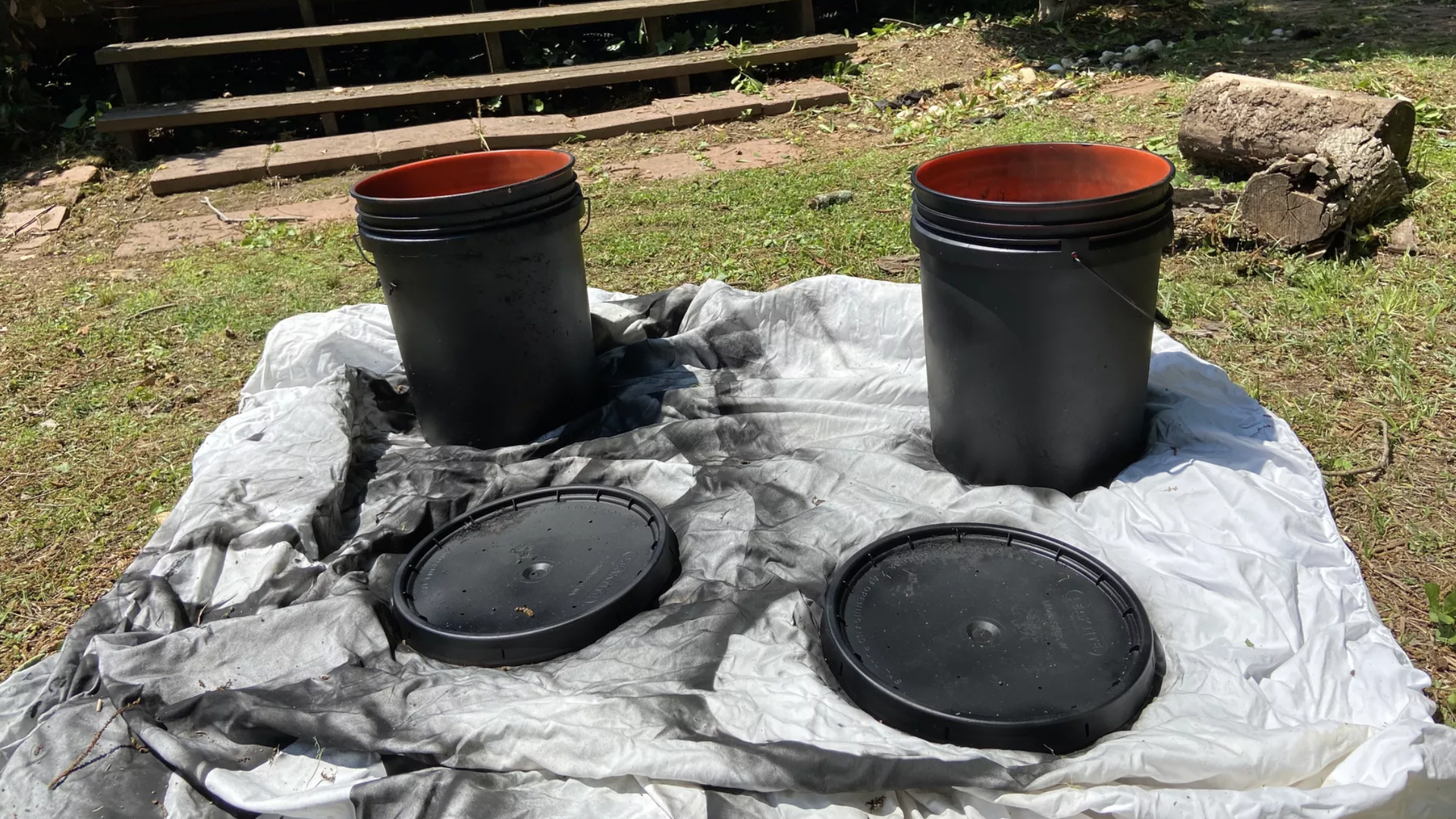
Here's a pro tip from Axios Atlanta's Thomas Wheatley on a low-cost, eco-friendly way to squash skeeters in your yard.
Quick take: It involves luring female mosquitoes into 5-gallon buckets to lay their eggs, then killing the larvae with Mosquito Dunks.
Of note: You'll still need to be vigilant about removing mosquito attractants, such as weeds, tall grass and standing water.
Go deeper: Why do mosquitoes bite? The sweet blood myth busted